You can own the most expensive foundation in the world, but apply it with a cheap, scratchy brush or a grubby old sponge and it will never look its best. The tools you use matter just as much as the products themselves — they are what actually put the makeup on your face, blend it, and make it look seamless. Yet most people accumulate a random drawer of brushes without ever thinking about which they truly need, how to keep them clean, or how to store them. This guide is about building and maintaining a genuinely useful makeup brushes and tools kit, so every product you own performs at its best.
Why Your Tools Matter
The right tool transforms a product. A dense brush builds coverage, a fluffy one diffuses it; a damp sponge gives a sheer, skin-like finish, a flat brush packs on colour. Beyond the finish, your tools affect your skin’s health — a dirty brush harbours bacteria and old product that can cause breakouts. So a good kit is not about owning dozens of brushes, but the right few, kept clean and stored well. Quality and care beat quantity every time.
Building Your Brush Collection
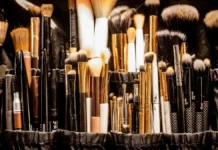
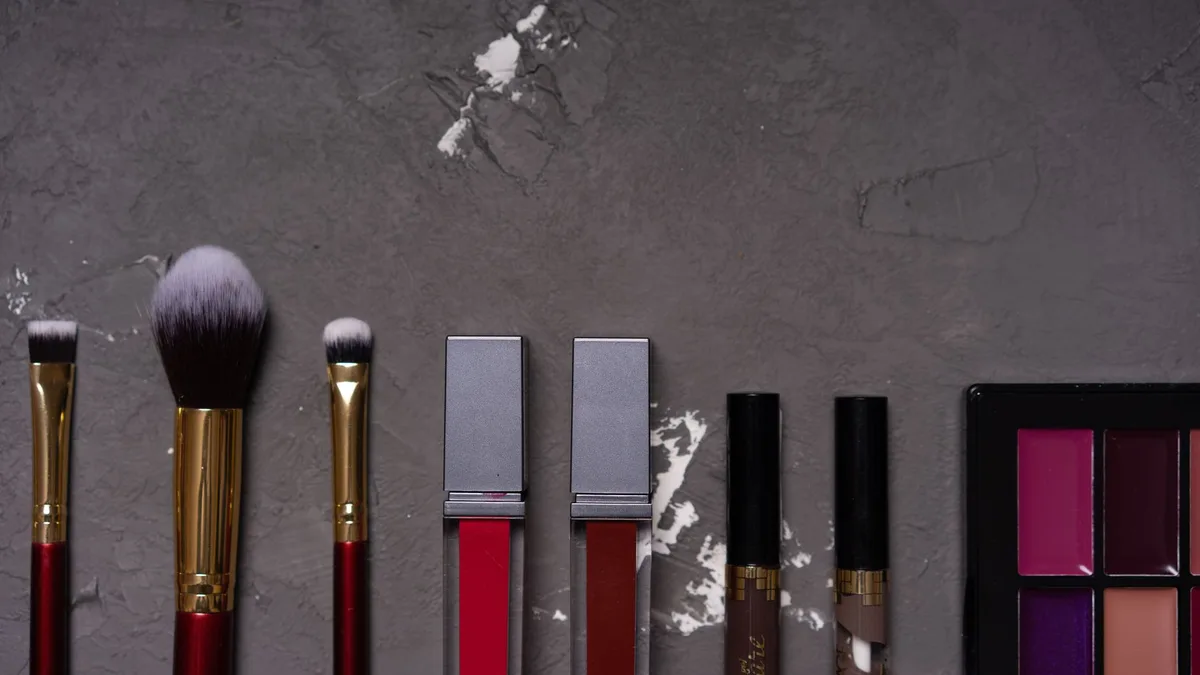
The number of makeup brushes on the market is overwhelming, and the truth is most people need only a handful. Knowing which shapes actually do which jobs — and which are marketing duplicates of ones you already own — saves money and drawer space. Our makeup brush guide breaks down the essential shapes for face, eyes and detail work, so you can build a small, versatile collection rather than a cluttered graveyard of brushes you never touch.
Brushes vs Sponges vs Fingers
Brushes are not your only option, and each applicator gives a different finish. A makeup sponge — the famous teardrop blender — gives a sheer, dewy, skin-like base when damp, while silicone applicators offer a hygienic, product-saving alternative. Understanding the finish and hygiene of each, alongside good old fingertips, helps you pick the right tool for the look you want. Many people use a mix: a brush for buffing, a sponge for blending, fingers for warming cream products.
Keeping Tools Clean
Here is the step almost everyone neglects: cleaning. A brush cleaner and a regular washing routine keep your tools performing well and, crucially, keep bacteria and old product off your skin. Dirty brushes cause breakouts, apply patchy colour and wear out faster. Knowing how often to wash different brushes, and how to dry them correctly so the bristles last, is one of the most impactful and overlooked habits in beauty.
Storing It All
Finally, a kit is only useful if you can find and reach it. A good makeup organizer keeps brushes upright, products visible and everything usable — which, beyond looking lovely, stops products getting lost, expiring unused, or gathering dust. Smart storage protects your investment and makes doing your makeup faster and more enjoyable.
The Essential Starter Kit
- A base tool: a foundation brush or a damp sponge for a smooth base.
- A fluffy powder brush for setting and bronzer, and an angled one for contour or blush.
- A couple of eye brushes: one to pack colour, one to blend.
- The essentials of care: a cleaner and a simple organiser to keep it all fresh and usable.
Good tools are what bring the products in our base makeup routine and eye makeup guide to life.
The Takeaway
A great makeup kit is a curated few tools, kept clean and stored well — not a cluttered drawer of duplicates. Choose the essential brush shapes, add a sponge for a dewy base, wash everything regularly, and store it so it stays usable. Look after your tools and every product you own applies better, lasts longer, and treats your skin more kindly.