
On 10 November 1935, a fire broke out in a doctor’s house on Wimpole Street in Marylebone, and five women died after a neighbour trying to call for help was left waiting in a telephone queue. His furious letter to a newspaper triggered a government inquiry, and less than two years later, on 30 June 1937, London introduced 999, the world’s first emergency telephone number. That is how a great deal of the invisible machinery of London life actually came into being: not through grand planning, but through a specific tragedy or failure that someone was determined would never happen again. This guide is a practical tour of how the city, and the wider British system underneath it, actually works.
Living in London at a Glance
| 999 emergency number | Introduced 1937, the world’s first |
| NHS founded | 5 July 1948, by Aneurin Bevan |
| NHS 111 non-emergency line | Rolled out across England by the end of 2013 |
| Electoral registers | Legal requirement since 1832 |
| Full universal suffrage | Achieved in 1928 |
The Fire That Created 999

999 was introduced in 1937 after a fatal delay reaching the fire brigade.
Image source: licensed stock photo
Before 1937, calling the fire brigade or police in an emergency meant going through an ordinary telephone exchange operator, with no priority over any other call. The tragedy at 27 Wimpole Street in 1935, where five women died after a neighbour trying to raise the alarm was kept waiting, exposed exactly how dangerous that delay could be, and public outrage forced a genuine change. On 30 June 1937, London introduced 999, a number deliberately chosen because it could be dialled even in total darkness or thick smoke, using the very last holes on an old rotary telephone dial, and calls to it were given automatic priority over the ordinary network. It was the first emergency telephone number anywhere in the world, and the model, a single memorable number connecting instantly to emergency services, has since been copied in different forms by countries across the globe.
Registering With a GP

The NHS was founded on 5 July 1948 by Aneurin Bevan.
Image source: licensed stock photo
The National Health Service was founded on 5 July 1948, the creation of the health minister Aneurin Bevan, making Britain the first Western country to offer medical care free at the point of use to its entire population, funded through general taxation rather than individual payment or insurance. Living in London means, in practice, registering with a local GP practice as your first point of contact for most health concerns, and it is genuinely worth doing this as soon as you settle into a new address rather than waiting until you actually need a doctor, since registration itself can take a little time to process. For anything urgent but not life-threatening, NHS 111, rolled out across England by the end of 2013 after earlier pilots, offers free telephone and online guidance on where to get the right care, reducing unnecessary trips to accident and emergency for problems that a GP or pharmacist could resolve instead.
Council Tax and Registering Locally
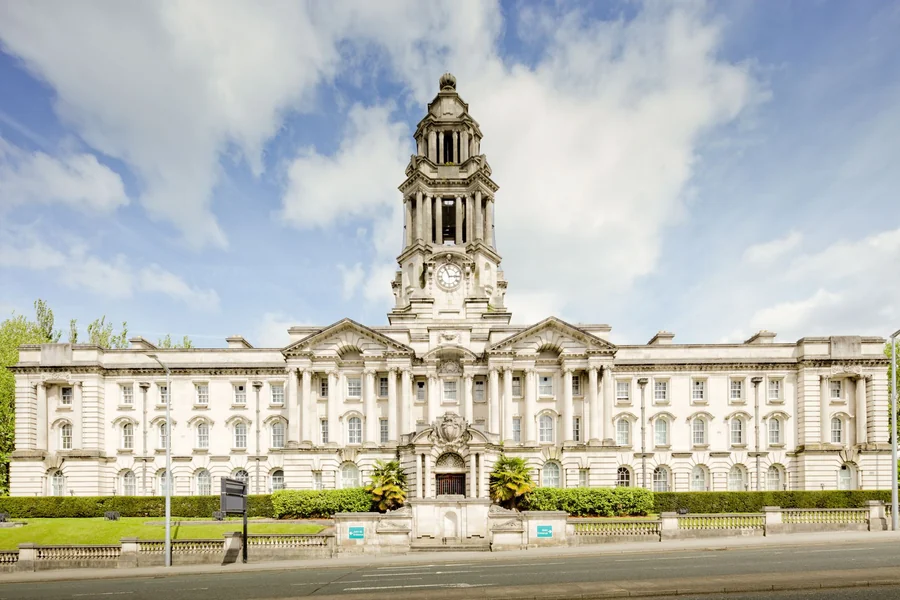
Every household falls under one of London’s 32 boroughs for local services.
Image source: licensed stock photo
Every household in London falls under one of the city’s 32 boroughs for local administrative purposes, and registering with your local council when you move address matters for more than just council tax (our Southwark council tax guide shows what a typical inner London bill looks like band by band), though that is usually the first thing that prompts people to do it. Councils use this information to allocate you to the correct school catchment areas, library services, waste collection schedule and local services generally, and registering promptly also avoids the administrative headache of being billed incorrectly or missing important local notices. Most of this registration can now be done online directly through your specific borough’s own website, and doing it within the first few weeks of a house move, alongside registering with a GP, is one of the more tedious but genuinely important pieces of settling into any new London address.
The Right to Vote Took a Century to Arrive Fully

Full universal suffrage in Britain was only achieved in 1928.
Image source: licensed stock photo
Britain’s electoral registers have been a legal requirement since 1832, but the right to actually appear on one was fought for gradually, in stages, over the following century rather than granted all at once. It was not until 1928 that full universal suffrage was achieved, giving all men and women over the age of twenty-one an equal right to vote, nearly a century after the first registers began. Registering to vote today is a simple, quick process, usually done online, but it is worth remembering how comparatively recent and hard-won that simplicity actually is. Being on the electoral register also has a genuinely practical side effect beyond voting itself: it is one of the pieces of information credit reference agencies use to confirm your identity and address, which means registering to vote can directly help your ability to get a mobile phone contract, a loan or a mortgage.
Bins, Recycling and Collection Days
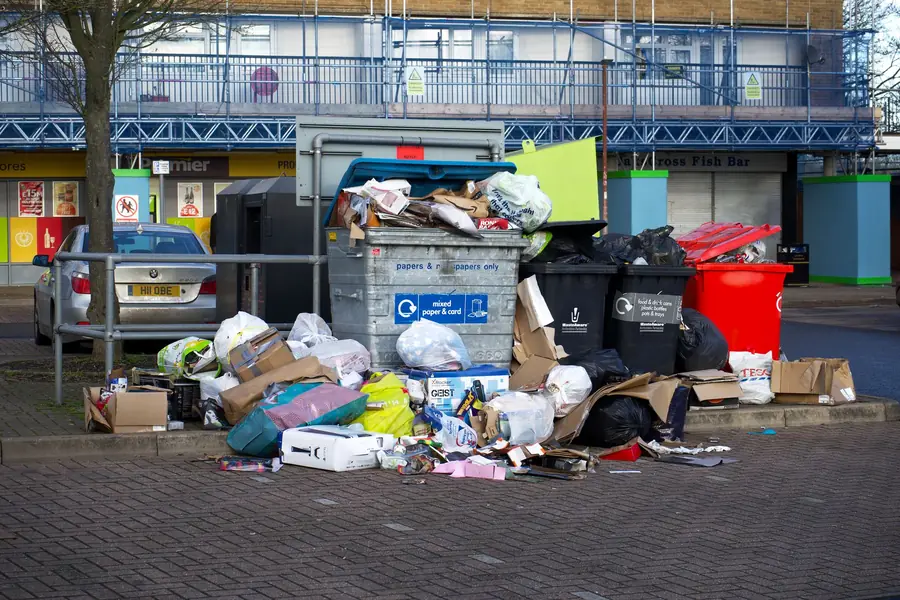
Bin collection is run by each borough separately, not citywide.
Image source: licensed stock photo
Waste collection in London is organised entirely at borough level, which means recycling rules, collection days and even the colour of bins can genuinely differ from one side of a street to the other if it happens to sit on a borough boundary. This lack of a single unified citywide system frustrates many newcomers, but it reflects the same two-tier structure of London government described elsewhere in this series: waste collection is a local council responsibility, not a Greater London Authority one, and every borough has developed its own contracts, schedules and rules over time. The practical lesson is simple and slightly annoying: always check your own specific borough’s current guidance directly, since assuming the rules are the same as your previous address, even one just across a boundary road, can lead to a surprising number of missed or rejected bin collections.
Setting Up Utilities and Banking
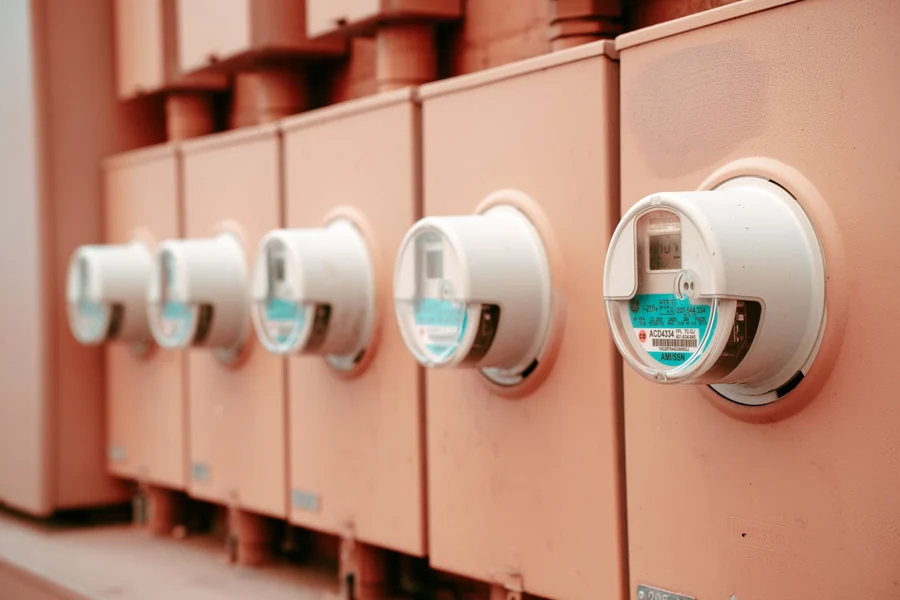
Utilities are rarely bundled with a UK tenancy and must be set up separately.
Image source: licensed stock photo
Moving into a new home in London typically means arranging your own gas, electricity, water and broadband accounts, since unlike some countries these are rarely bundled automatically with a tenancy or purchase. Britain’s energy and broadband markets are both deliberately structured to allow switching between suppliers, and comparison websites make checking whether you are on a competitive deal reasonably straightforward, a habit genuinely worth building rather than simply staying with whichever supplier a previous occupant happened to use. Opening a UK bank account as a newcomer can be one of the more frustrating early tasks, since banks require proof of address that new arrivals often cannot yet provide, though several banks now offer simplified accounts specifically designed for people who are new to the country and still building up that paperwork trail.
Schools and the Admissions System

Each borough runs its own coordinated school admissions system.
Image source: licensed stock photo
State school admissions in London operate through each borough’s own coordinated admissions system, with places generally allocated according to published criteria that typically prioritise distance from the school, siblings already attending, and specific religious or other designated criteria for certain schools. Because demand for popular schools regularly exceeds available places, particularly in denser inner London boroughs, the address you live at when you apply can genuinely determine which schools are realistically available to you, which is why school catchment areas quietly but significantly influence property prices in many parts of the city. Applying on time and understanding your specific borough’s exact admissions timetable, which is published well in advance each year, matters considerably more in London’s competitive school system than in most other parts of the country.
How to Use This Guide
This page anchors a growing series of practical guides to specific aspects of settling into and living in London. As those guides are published, they will be linked from this page. Local rules and services vary by borough and change over time – always confirm current details with your specific council or with gov.uk.
Frequently Asked Questions
Why is 999 the UK’s emergency number?
It was introduced in London in 1937 after a fatal fire exposed delays in reaching the fire brigade, and was chosen because it could be dialled even in darkness or smoke.
When should I use NHS 111 instead of 999?
111 is for urgent but non-life-threatening situations, offering guidance on the right care. 999 is reserved for genuine emergencies.
When was the NHS founded?
On 5 July 1948, created by health minister Aneurin Bevan, making Britain the first Western country with universal free healthcare at the point of use.
Why do bin collection rules differ across London?
Waste collection is managed by each of London’s 32 boroughs separately, not citywide, so rules and schedules can genuinely differ street to street.
Does registering to vote affect my credit rating?
Indirectly, yes. Credit reference agencies use the electoral register to confirm identity and address, which can affect access to credit.
How does school admission work in London?
Each borough runs its own coordinated admissions system, generally prioritising distance from the school and siblings already attending.
A note on this guide: local services, healthcare guidance and civic procedures change over time – always check your specific council’s website or gov.uk for current information. In a medical emergency, always call 999.