
On 5 July 1841, a cabinetmaker and temperance campaigner named Thomas Cook chartered a train to carry about 500 people the eleven miles from Leicester to a temperance rally in Loughborough and back again, charging a shilling a head. It is widely regarded as the first publicly advertised railway excursion in history, and it is the direct ancestor of an idea now so ordinary that nobody thinks twice about it: the day trip. Railways did something no stagecoach ever could — they made it possible to leave a city in the morning, see somewhere genuinely remarkable, and be home again by nightfall. This guide covers the day trips from London that have drawn visitors for the longest, and the specific history that makes each one worth the journey.
Day Trips from London at a Glance
| First railway excursion | 5 July 1841, Thomas Cook, Leicester to Loughborough |
| Royal Pavilion, Brighton | Built 1787-1823 for the Prince Regent |
| Roman Baths, Bath | Built around 60-70 AD around natural hot springs |
| Stonehenge | Erected in stages, roughly 3000-1500 BC |
| University of Cambridge | Founded 1209 |
| Windsor Castle | Founded by William the Conqueror around 1070 |
| University of Oxford | Teaching recorded from 1096 |
| Canterbury Cathedral | Founded 597 AD; Becket murdered there in 1170 |
The Train Ride That Invented the Day Trip
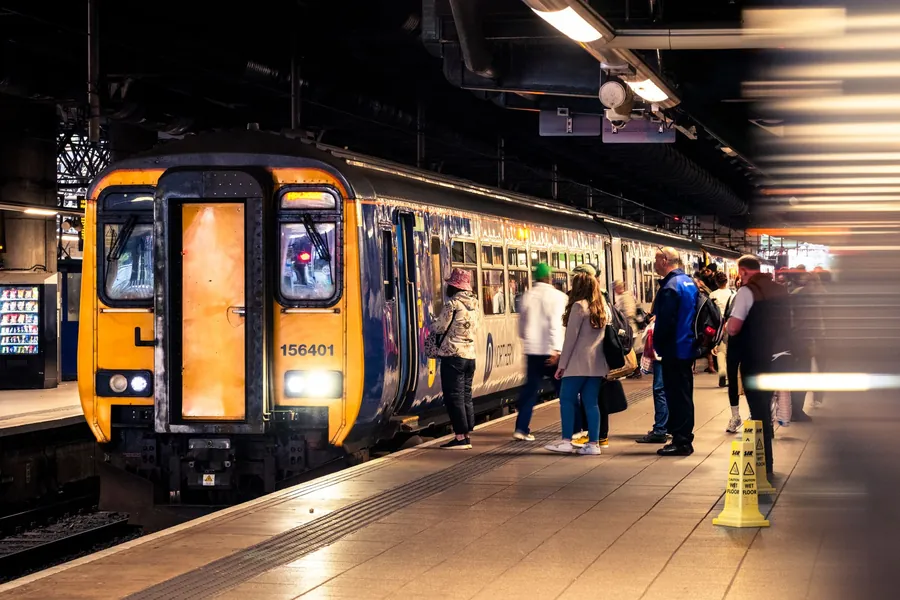
Thomas Cook’s 1841 excursion train is regarded as the birth of the day trip.
Image source: licensed stock photo
Before railways, travelling any real distance for pure leisure was slow, expensive and largely reserved for the wealthy. Thomas Cook’s excursion train on 5 July 1841 changed that calculation overnight, proving that a large group of ordinary people could travel a meaningful distance, spend a day somewhere new, and return home the same evening, all for an affordable fixed price. Cook went on to build an entire international travel business from that single idea, but the basic template, a train, a fixed departure and return time, and a destination worth the journey, is still exactly how day trips from London work today. Every item on this list owes something to that first excursion train from Leicester. If cost is your priority, see our guide to the cheapest day trips from London by train under an hour.
Brighton: The Resort the Railway Built
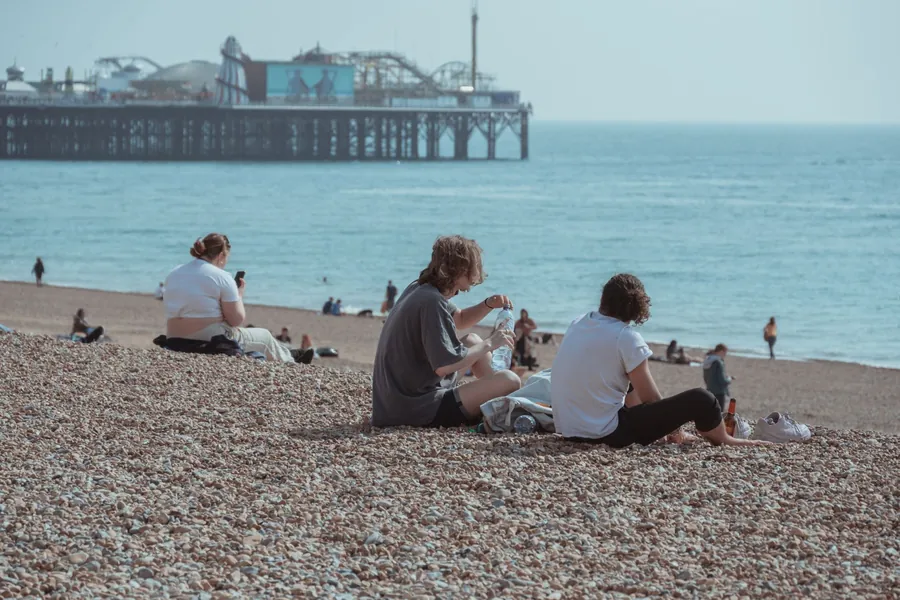
The London to Brighton railway opened in 1841, making the resort reachable in ninety minutes.
Image source: licensed stock photo
Brighton’s transformation into Britain’s most famous seaside resort began with royal patronage: the Prince Regent, later King George IV, built the extraordinary domed Royal Pavilion there between 1787 and 1823 as a fashionable seaside retreat, drawing high society to what had been a modest fishing town. The real transformation into a destination for ordinary Londoners came later, when the London to Brighton railway opened in 1841, cutting a journey that once took the best part of a day by coach down to about an hour and a half. Brighton is often credited as the birthplace of the specifically British idea of “a day at the seaside,” a direct product of a fashionable royal retreat suddenly becoming reachable by anyone who could afford a train ticket.
Bath: Roman Engineering Under Georgian Streets
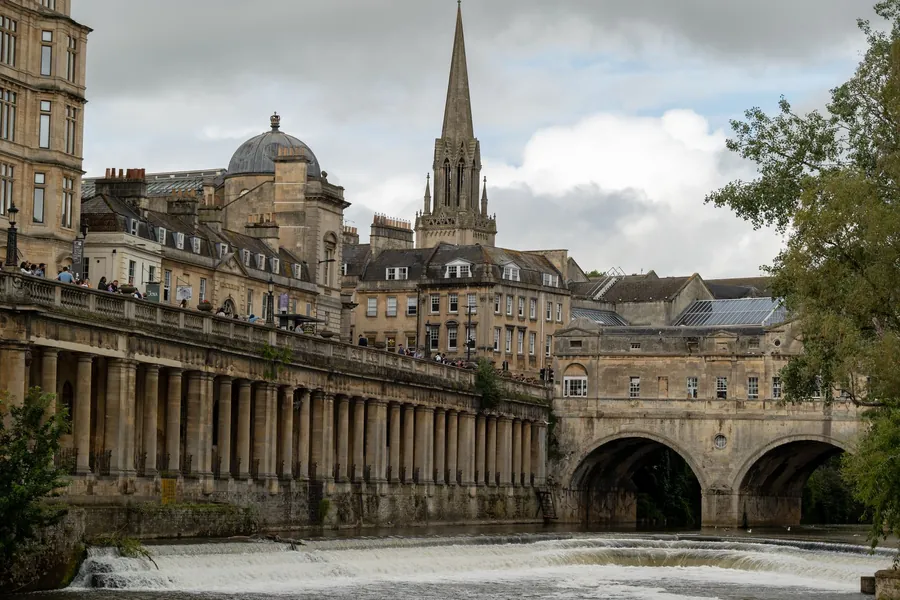
The Romans built Bath’s original baths and temple complex around 60-70 AD.
Image source: licensed stock photo
Bath’s name is entirely literal: the Romans built an elaborate complex of baths and a temple there around 60-70 AD, harnessing the only naturally occurring hot springs in Britain, and the remains of that Roman engineering, including lead-lined pools still fed by the original spring, survive remarkably intact beneath the modern street level. Bath’s second golden age came seventeen centuries later, when the city was almost entirely rebuilt in fashionable Georgian architecture during the 18th century, producing the sweeping curved terraces and honey-coloured stone the city is now equally famous for. Few destinations let you stand in a functioning two-thousand-year-old Roman bathhouse and a two-hundred-year-old Georgian crescent within the same afternoon.
Stonehenge: Older Than Recorded History
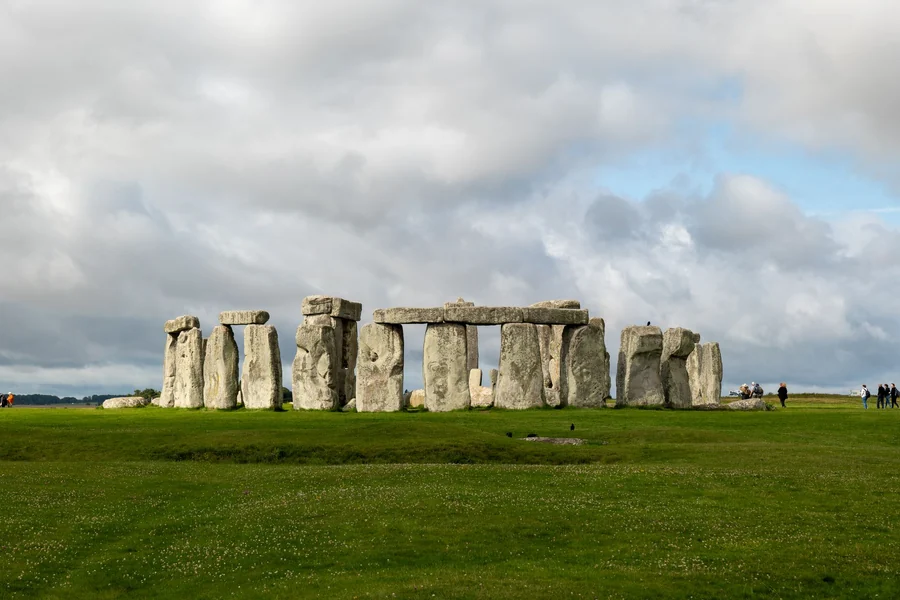
Stonehenge was erected in stages roughly between 3000 BC and 1500 BC.
Image source: licensed stock photo
Stonehenge was not built in a single project but erected in distinct stages over an enormous span of time, roughly from 3000 BC to 1500 BC, meaning the monument was already ancient by the time the Romans arrived in Britain. Exactly why prehistoric people transported and raised stones weighing many tonnes, some hauled from as far away as Wales, remains genuinely debated among archaeologists, which is part of what keeps it so compelling. The monument passed through private ownership for centuries until a local man, Cecil Chubb, bought it at auction in 1915 and then gave it to the nation in 1918, ensuring one of the world’s most recognisable prehistoric structures would remain in public hands.
Cambridge: A University Born From a Riot
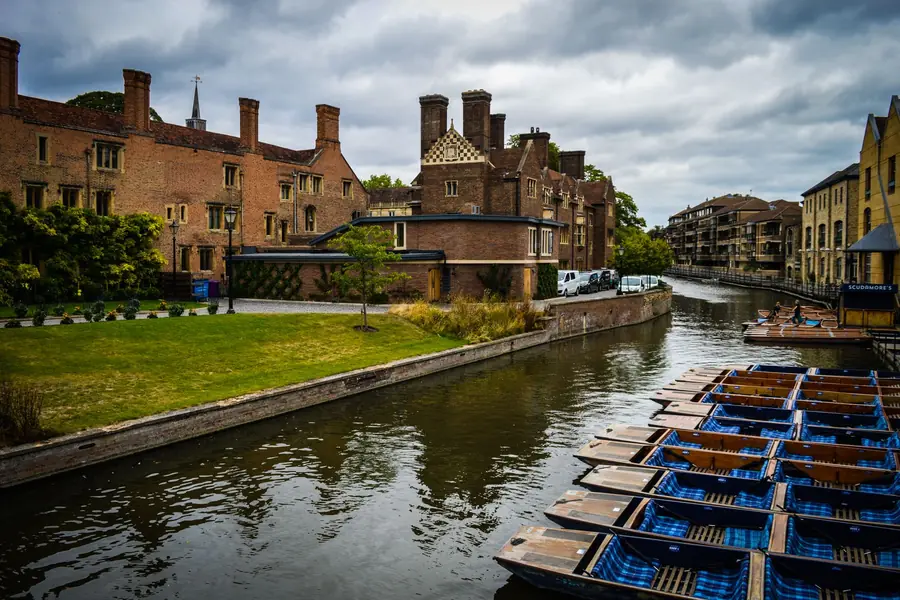
The University of Cambridge was founded in 1209 by scholars who fled Oxford.
Image source: licensed stock photo
The University of Cambridge exists largely because of a falling-out elsewhere: it was founded in 1209 by scholars who fled Oxford after violent clashes between students and local townspeople there made staying untenable. What began as a refuge became one of the world’s most prestigious universities, its historic colleges lining the River Cam in a way few other cities can match. Punting, guiding a flat-bottomed boat along the river with a long pole, has become the quintessential Cambridge day-trip activity, offering a view of centuries-old college buildings from the water that is simply unavailable from the street.
Windsor: The Oldest Occupied Castle in the World
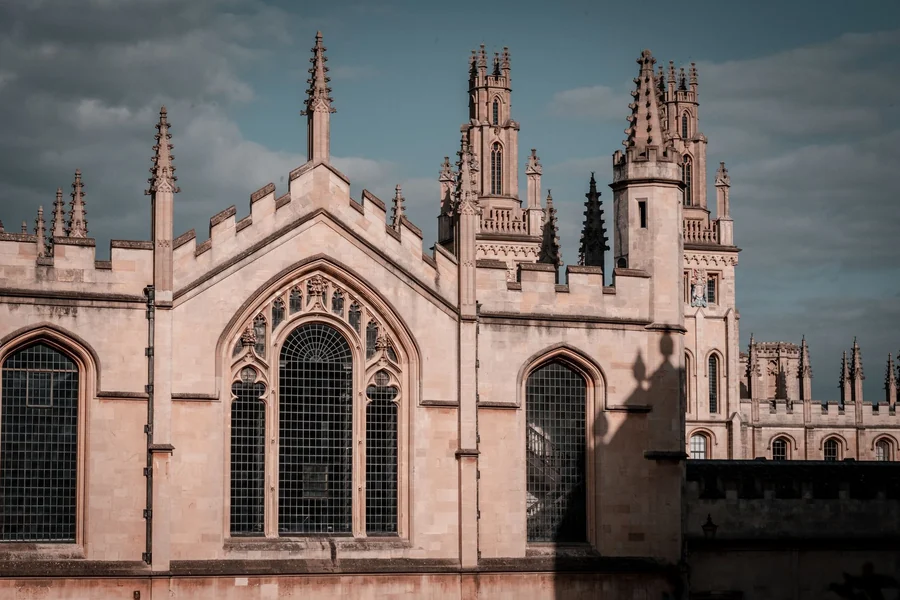
Teaching at Oxford is recorded as far back as 1096.
Image source: licensed stock photo
Windsor Castle was founded by William the Conqueror around 1070, part of a ring of fortifications built to secure London shortly after the Norman Conquest, and it holds the distinction of being the oldest and largest occupied castle anywhere in the world, having housed English and British monarchs in an unbroken line for nearly a thousand years. It remains a working royal residence today rather than a preserved museum piece, which gives a visit a genuinely different character from most historic sites: the State Apartments and St George’s Chapel sit alongside quarters still used by the Royal Family, and the changing of the guard ceremony continues much as it always has.
Oxford: The Oldest University in the English-Speaking World
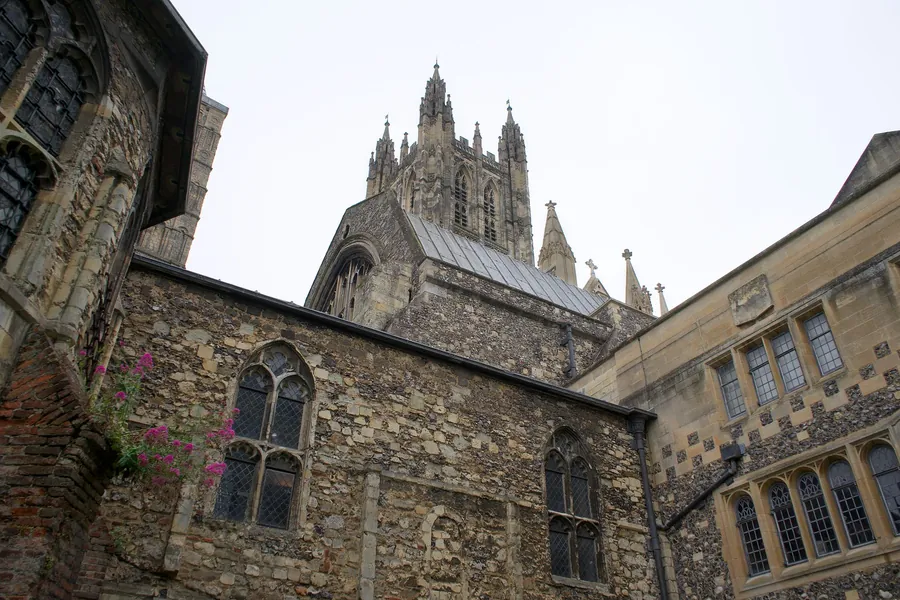
Canterbury Cathedral was founded in 597 AD; Thomas Becket was murdered there in 1170.
Image source: licensed stock photo
Teaching at Oxford is recorded as far back as 1096, making it the oldest university in the English-speaking world, though the exact date of its founding is not precisely known since it grew gradually rather than being formally established on a single date. Its collegiate structure, dozens of largely independent colleges each with their own buildings, traditions and quirks, developed over centuries and still shapes both the university and the physical city today, with Gothic spires and ancient quadrangles sitting directly alongside ordinary shops and pubs. The city’s nickname, “the city of dreaming spires,” comes from a description by the Victorian poet Matthew Arnold, and it remains a strikingly accurate description of the skyline visible from several vantage points around the city.
Canterbury: A Murder That Created a Pilgrimage
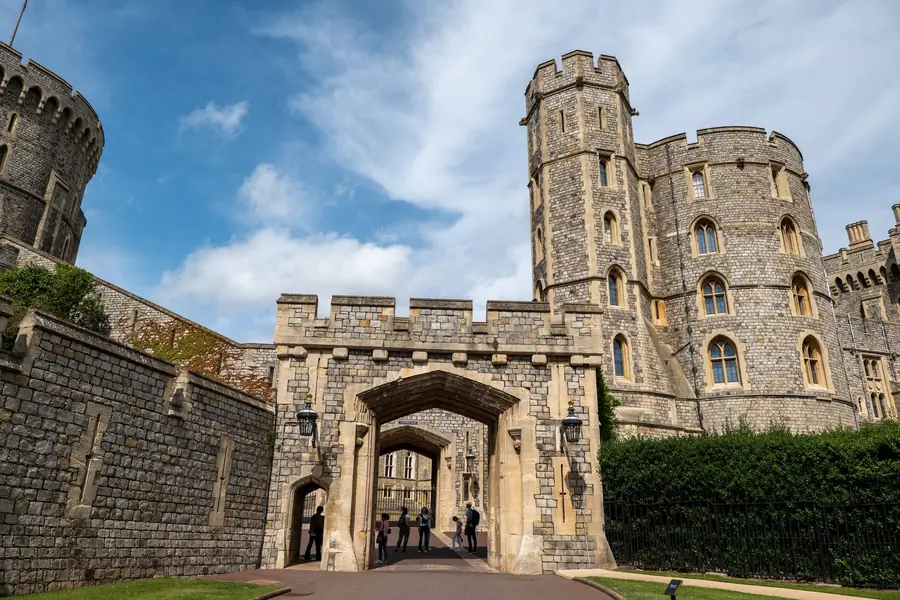
Windsor Castle remains a working royal residence today.
Image source: licensed stock photo
Canterbury Cathedral was founded in 597 AD by St Augustine, sent from Rome to reintroduce Christianity to England, making it one of the oldest and most important Christian sites in the country. Its fame was cemented in the most dramatic way possible in 1170, when Archbishop Thomas Becket was murdered inside the cathedral by knights believed to be acting on King Henry II’s wishes, an act that shocked medieval Europe and turned Canterbury into one of the most significant pilgrimage destinations on the continent almost overnight. That pilgrimage tradition directly inspired Geoffrey Chaucer’s “The Canterbury Tales,” written in the late 14th century, meaning a trip to Canterbury today follows a route that has been drawing travellers for the better part of a thousand years.
How to Use This Guide
This page anchors a growing series of detailed guides to specific day trips and weekend breaks from London, including transport options and practical planning advice. As those guides are published, they will be linked from this page. Train times, ticket prices and opening hours change regularly – always check National Rail and the specific attraction’s website before travelling.
Frequently Asked Questions
What was the first railway excursion in history?
Thomas Cook’s chartered train from Leicester to Loughborough on 5 July 1841 is widely regarded as the first publicly advertised railway excursion.
Why is Brighton associated with day trips from London?
The London to Brighton railway opened in 1841, cutting the journey to about ninety minutes and turning a royal retreat into a resort ordinary Londoners could reach.
How old are the Roman Baths in Bath?
The Romans built the original baths and temple complex around 60-70 AD, and much of the Roman engineering survives beneath the modern city.
How old is Stonehenge?
It was erected in stages roughly between 3000 BC and 1500 BC, making it already ancient by the time the Romans reached Britain.
Why is Windsor Castle significant?
Founded by William the Conqueror around 1070, it is the oldest and largest occupied castle in the world and remains a working royal residence.
Why did Cambridge University get founded separately from Oxford?
In 1209, scholars fled Oxford after violent clashes with local townspeople and founded a new university at Cambridge instead.
A note on this guide: opening hours, ticket prices and train services change regularly – always check National Rail and each attraction’s official website before planning a visit.