
Balayage is sold as the low-maintenance blonde, and that is true of the colour — there is no regrowth stripe, and you can leave it four months. It is not true of the hair. Good balayage aftercare is really damage management, because the technique concentrates lightener on the oldest, most fragile part of your head: the ends.
Get that right and a £150 appointment lasts five months. Get it wrong and you are back in eight weeks with straw for ends and a tone that has gone the colour of a digestive biscuit.

What It Costs and How Often You Actually Need to Go
| Service | UK price | How often |
|---|---|---|
| Full balayage | £80–£200 (£150–£350 with toner, bond builder and cut) | Every 12–16 weeks; 4–5 months with good aftercare |
| Half balayage / face-framing | £55–£85 | As needed |
| Toner refresh | £35–£40, or about £20 added to a cut or blow-dry | Every 6–10 weeks |
| Trim | Salon dependent | Every 6–8 weeks — non-negotiable on lightened ends |
Location matters more than you would expect: a premium central London salon may charge around £180 for a full balayage where an equally competent independent stylist outside the capital charges nearer £95. The appointment itself takes two to four hours, most of which is the lightener processing in open air.
The single most cost-effective habit in this whole article: book the toner refresh. Thirty-five pounds every couple of months is what stretches a full appointment from three months to five.
The First 72 Hours
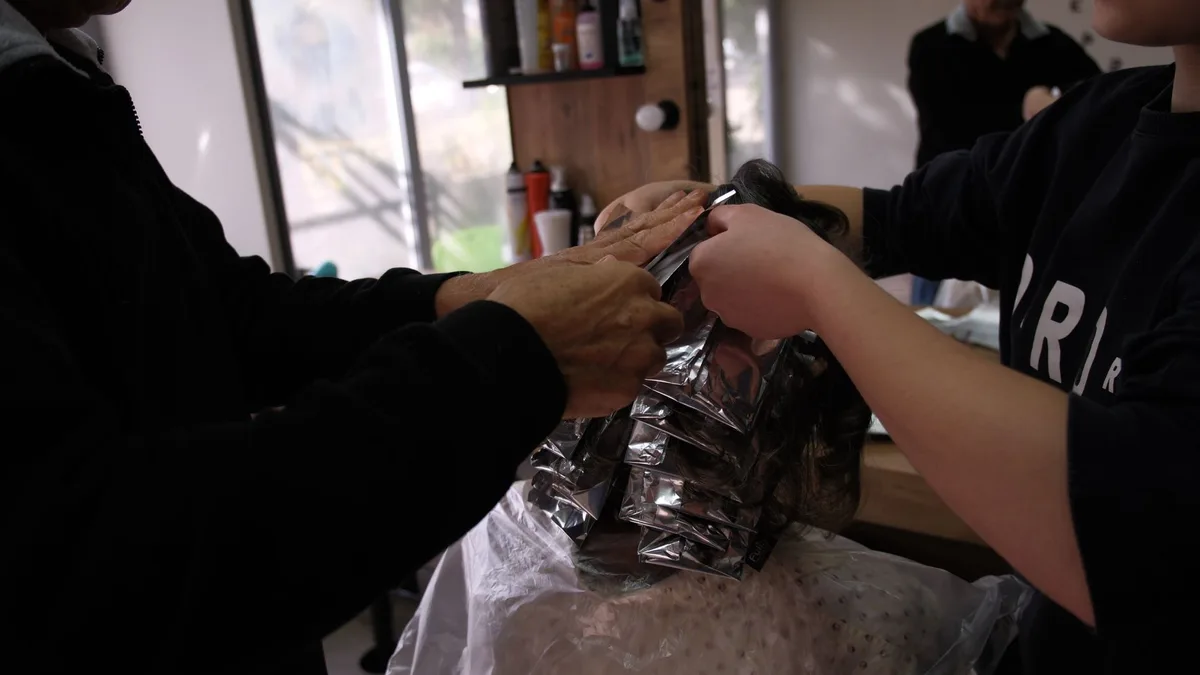
- Do not wash for 48 to 72 hours. The cuticle is still closing and the toner is still settling; an early wash takes both with it.
- No swimming, no gym sweat, no hot yoga in that window.
- No heat styling for the first day or two if you can avoid it.
- Buy the aftercare before you leave the salon if your colourist recommends it — sulphate-free shampoo and a bond-building treatment are the two that matter.
The Weekly Routine
- Wash two or three times a week, no more — every wash takes toner with it. Dry shampoo bridges the gap.
- Lukewarm water, cool final rinse. Hot water opens the cuticle and flushes tone; a cold blast at the end seals it and adds shine.
- Sulphate-free, colour-safe shampoo, on the scalp only, letting the lather run through the lengths.
- Conditioner after every single wash, mid-lengths to ends. Bleached ends have no margin for a skipped conditioner.
- A deep mask once a week, 15 to 20 minutes — see our guide to choosing a hair mask.
- A toning shampoo once a week, three to five minutes maximum.
- Heat protectant every time, tools below 185°C, air-drying whenever you can. Our guide to heat protectant spray covers the dose.
- Silk pillowcase and oil on the ends at night.
Three things to actively avoid on freshly balayaged hair: clarifying shampoos (they strip toner in one wash), high-alcohol styling products, and heavy non-water-soluble silicones, which build up and then demand the clarifying shampoo you were told to avoid.
Toning: Purple or Blue?

- Yellow brassiness — the classic pale-blonde problem — is neutralised by violet. Our guide to purple shampoo covers the timings by porosity.
- Orange or buttery warmth — more common on balayage over dark blonde and brown hair — is neutralised by blue. Most people reach for purple and wonder why nothing changes.
- Once a week, three to five minutes. Longer is not better; over-toning leaves lightened ends looking grey and dull.
- Warm shades — caramel, copper, chocolate balayage — want a colour depositing conditioner in a matching tone instead of a toning shampoo. You are replacing pigment, not cancelling it.
Protecting the Ends Specifically
Everything that goes wrong with balayage goes wrong at the bottom six inches. That hair is the oldest on your head, it has been lightened, and it takes all the mechanical wear.
- Bond-building treatments for the first six weeks after lightening — this is the window where they do the most good.
- Alternate protein and moisture masks. Bleached hair needs both, and too much of either causes its own problem: stiff and snapping, or limp and mushy.
- Trim every six to eight weeks. Split ends travel upward; a delayed trim costs you more length, not less.
- Detangle from the ends up, with a wide-tooth comb, only in conditioner.
- Oil on the ends nightly — a few drops, damp or dry, is enough.
Summer, Swimming and Hard Water
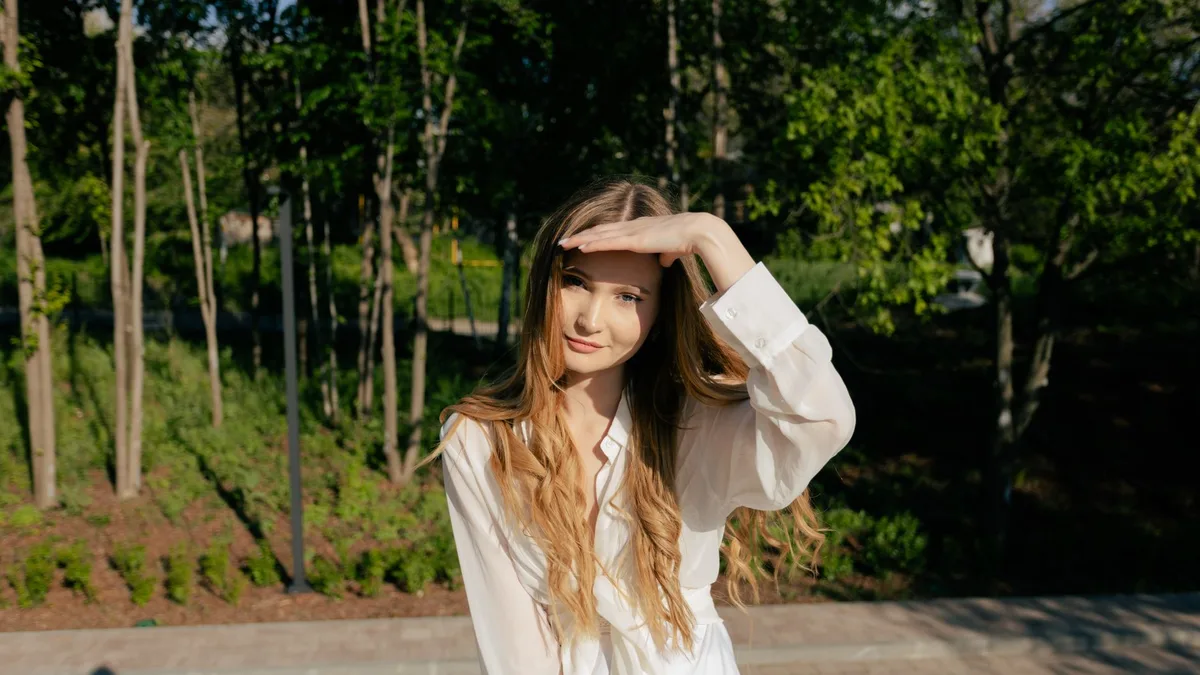
- UV is bleach. Sunlight photobleaches lightened hair faster than anything else in your week. A UV leave-in, a hat, or a plait keeps it in check — and try to stay out of the strongest sun between 10am and 4pm.
- Before swimming, soak your hair in clean water and apply conditioner or a leave-in. Saturated hair absorbs far less pool water.
- Rinse immediately afterwards. The copper liberated by chlorine is what turns balayage green, and it needs a chelating wash the same day.
- Hard water — most of England — deposits minerals that dull tone and can halve how long colour lasts. A chelating shampoo every couple of weeks is the fix, though not in the first fortnight after a fresh toner.
- Sea water dries the ends; rinse and condition as soon as you are out.
Why Balayage Beats Foils for Upkeep
| Balayage | Traditional highlights | |
|---|---|---|
| Application | Hand-painted, no foil, denser toward the ends | Foiled, saturated root to tip |
| Regrowth | Blends — no visible line | Obvious stripe at 4–6 weeks |
| Touch-up | Every 3–5 months | Every 6–10 weeks |
| Look | Soft, sun-kissed, dimensional | Higher contrast, more uniform |
| Cost over a year | Higher per visit, fewer visits | Lower per visit, more visits |
Over twelve months the two often cost about the same. What balayage actually buys you is fewer Saturdays in a salon chair and no fortnight of visible roots before each one.
Frequently Asked Questions
How long should balayage last?
Three to four months as standard, four to five with a mid-way toner refresh and disciplined washing. If yours looks tired at eight weeks, the culprit is usually wash frequency, hot water or hard water rather than the colourist.
Can I use purple shampoo straight after my appointment?
Wait until the tone starts drifting — usually two to three weeks. Toning immediately over a fresh salon toner risks over-cooling the colour and leaving the ends looking flat.
My balayage has gone brassy after a holiday. What now?
A chelating wash first — sun, chlorine and hotel water leave mineral deposits that no toner will fix — then a toning shampoo, then a deep mask. If it is still orange, book the £35 toner refresh; that is exactly what it is for.
Is balayage bad for curly hair?
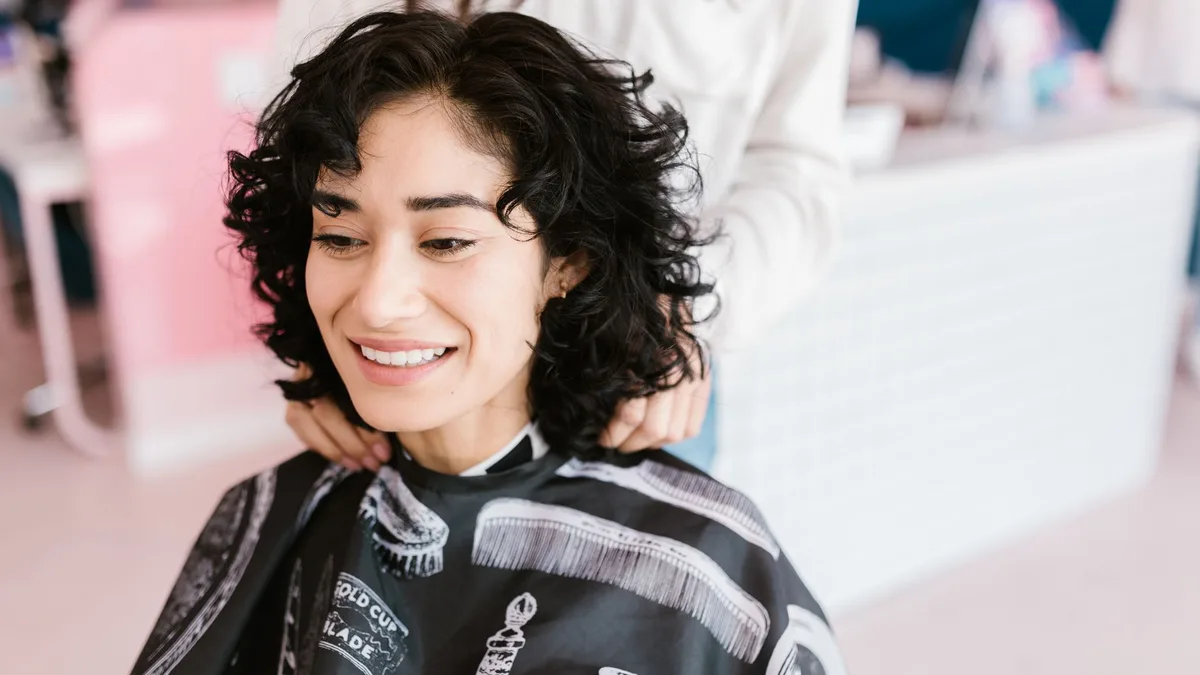
No, and it suits curls beautifully because the painted placement follows the curl pattern. But lightening raises porosity, so expect to add moisture and protein back — our curly hair products guide covers the routine, and go gently on the heat afterwards.
Do I really need to trim it that often?
Yes. Lightened ends split, and a split travels up the shaft. Trimming every six to eight weeks costs you a centimetre and saves you several — and balayage looks dramatically better on ends that are not frayed.
The Bottom Line
Treat balayage as bleach on your oldest hair, because that is what it is. Leave it alone for 72 hours, wash twice a week in lukewarm water with sulphate-free products, condition every time, mask and tone weekly, keep the iron under 185°C, and trim on schedule.
Then book the toner refresh at eight weeks and forget about it until Christmas. The rest of the fade-prevention detail — hard water, UV and the ingredients that actually protect colour — is in our hair colour care guide.