A scalp scrub is the most satisfying product in hair care and the easiest to get wrong. Used once a week on the right scalp it clears the film of dry shampoo, styling product and hard-water minerals that flattens your roots. Used enthusiastically with a body scrub and a set of fingernails, it leaves you sore, flaky and worse off than before.
The good news is that the whole category comes down to one decision — grit or acid — and a frequency that suits your scalp rather than the bottle.
Physical or Chemical? The Only Real Decision
| Physical scrub | Chemical exfoliant | |
|---|---|---|
| How it works | Salt, sugar or biodegradable grains physically lift buildup | Acids dissolve the bonds holding dead skin cells together |
| Key ingredients | Sea salt, sugar, charcoal, sometimes salicylic acid too | Salicylic acid (BHA), glycolic and lactic acid (AHAs), fruit enzymes |
| Best for | Heavy product buildup, flaky scalps, resilient skin | Sensitive, reactive, oily or dandruff-prone scalps |
| Application | Gentle circular massage with fingertips or a brush | No rubbing at all — apply and leave |
| Reaches into follicles? | Surface only | Yes — acids get into the follicle where sebum sits |
| Risk | Micro-tears and breakage if you press too hard | Over-use dries and irritates |
If you are choosing blind, choose chemical. It is gentler, it reaches the places grit cannot, and it removes the most common mistake in this category — pressing too hard. Physical scrubs earn their place when you have genuine buildup to shift: weeks of dry shampoo, heavy styling products, or the flakes that come with a congested scalp.
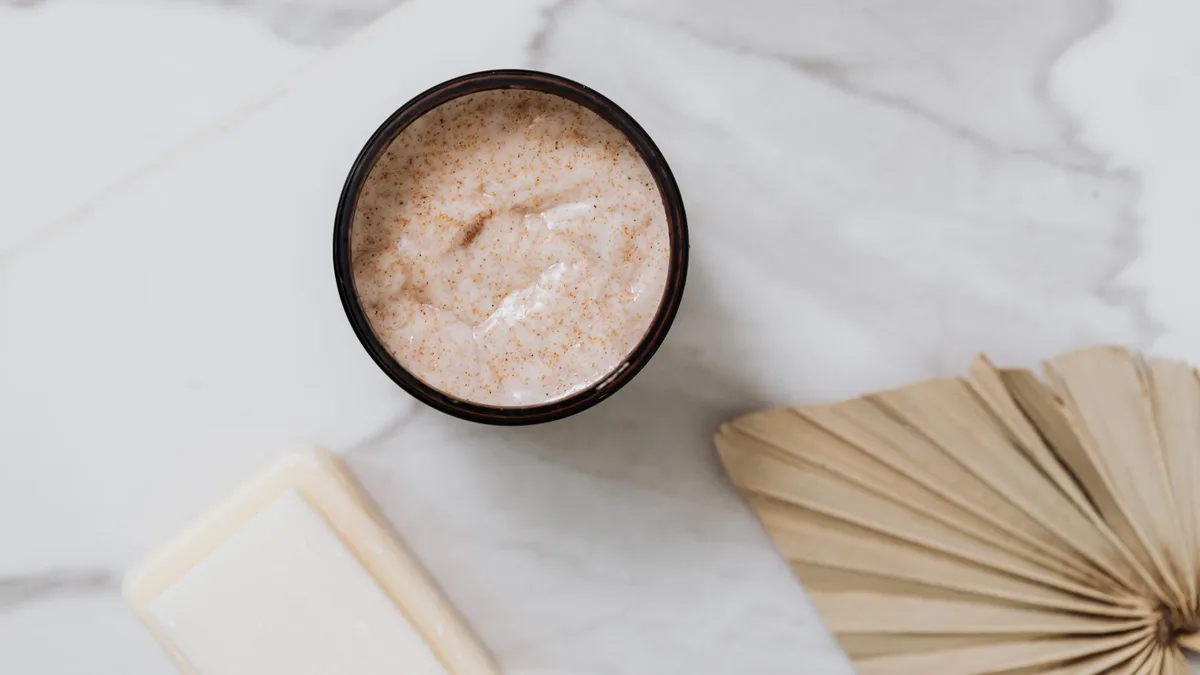
And never use a body scrub on your scalp. The grains are coarser than scalp skin can tolerate — this is the single most common cause of a scrub-related sore scalp.
How Often — By Scalp, Not By Bottle
| Your scalp | Frequency | Which type |
|---|---|---|
| Oily, or heavy product user | Every 4–5 days | Salicylic acid, or a gentle physical scrub |
| Normal | Once weekly | Either |
| Dry or sensitive | Every 10–14 days | Gentle AHAs or fruit enzymes only |
| Flaky and greasy (dandruff-prone) | Weekly, alongside a medicated shampoo | Salicylic acid |
| Fine or shedding hair | Weekly, no brushes | Chemical — physical brushes pull |
Start at the gentlest end and work up. If your scalp feels tight, stings or reddens afterwards, you have over-exfoliated — wait two weeks and go back a step. More is not better here; the barrier you are stripping is the same one keeping the scalp comfortable.
How to Use One Properly
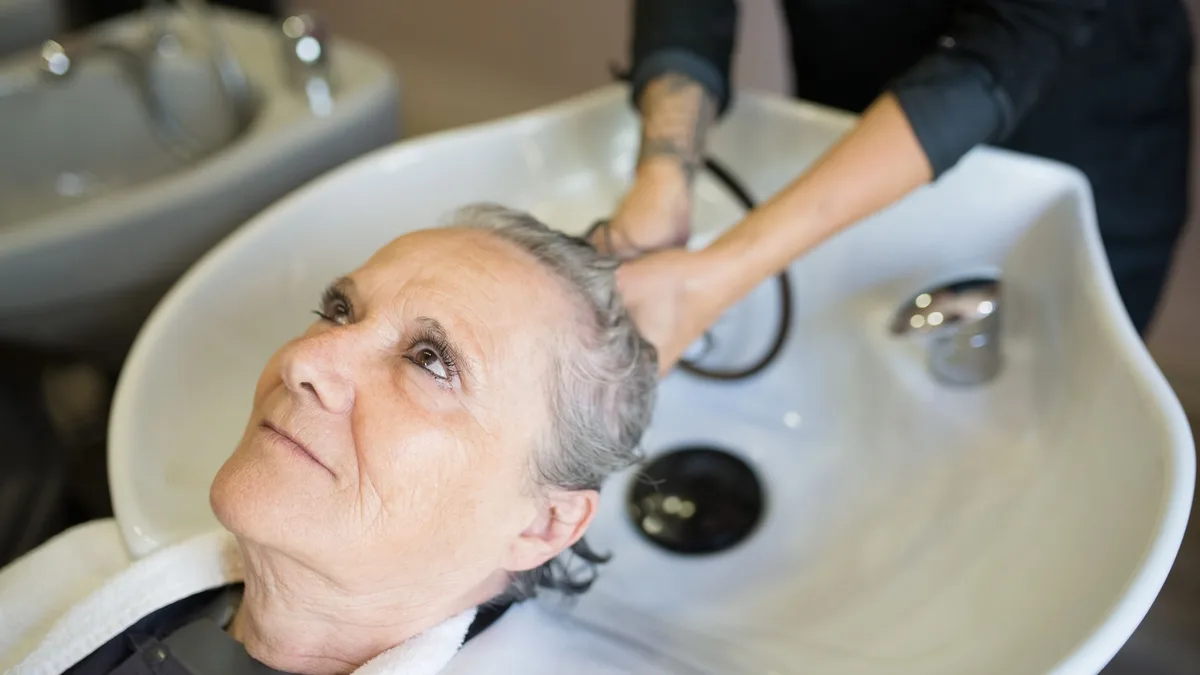
- Clarify first if there is real buildup. A clarifying shampoo before the scrub means the exfoliant works on skin rather than on a layer of product. This one step makes a £10 scrub perform like a £40 one.
- Wet the hair thoroughly — or work on dry hair if your product says so; check the label, because some chemical treatments are designed for dry scalps.
- Section the hair into four and apply to the scalp, not the lengths. Scrub on your ends does nothing except tangle them.
- Massage with fingertips in small circles, no nails, light pressure. Two to three minutes across the whole head is plenty — and if you are using a chemical exfoliant, skip the rubbing entirely.
- Leave it on. One to ten minutes for most scrubs; up to twenty for some acid treatments.
- Rinse very thoroughly. Grit trapped in long hair is the number one complaint about this category — rinse for twice as long as feels necessary.
- Shampoo gently afterwards, then condition the mid-lengths and ends only.
A silicone scalp brush — around £4 — makes the massage easier and more even. Avoid stiff bristle brushes if your hair is fine or shedding; they pull.
What to Buy in the UK
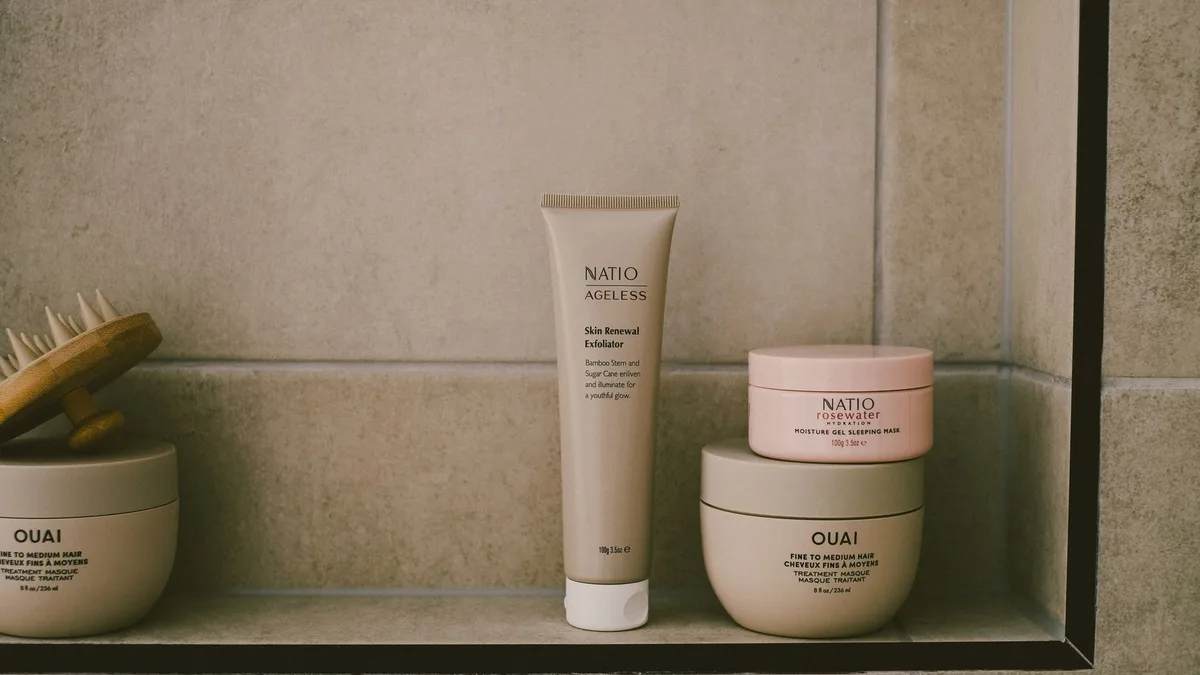
Worth knowing before you shop: the average UK scalp scrub listing costs about £9.30, and the market runs from roughly £3.50 to £26. The famous products cost three to four times that.
- £4–£10 — supermarket and online. Salicylic acid scalp scrubs at this price do the same chemical job as anything dearer. If you are trying exfoliation for the first time, start here.
- £12–£24 — the value tier. The Inkey List’s glycolic acid scrub and salicylic acid scalp treatment are the standouts; Coco & Eve’s deep clean scrub sits around £24.
- £36 — Briogeo Scalp Revival charcoal and coconut oil micro-exfoliating shampoo scrub: charcoal, tea tree and peppermint, and it doubles as a shampoo, which genuinely saves a step.
- £42 — Christophe Robin Cleansing Purifying Scrub with Sea Salt, the award-winner. Sea salt in a cushioned paste base that suits sensitive as well as oily scalps. Lovely to use; not four times more effective than a £10 acid.
What the money actually buys at the top end: a texture that rinses out easily, a fragrance you do not mind, and a base that cushions the grit. Those are real benefits if you have long hair — just not clinical ones.
Making Your Own
- The simplest: a tablespoon of brown sugar or fine oatmeal stirred into a palmful of your usual shampoo. Brown sugar dissolves as you work, so it self-limits — which makes it far safer than salt.
- For a dry scalp: sugar with a teaspoon of coconut or jojoba oil, plus a drop of tea tree.
- A salicylic route: six to eight uncoated aspirin tablets crushed and mixed with a little water into a paste — aspirin is acetylsalicylic acid. Patch test first, and skip it entirely if you take blood thinners or are allergic to aspirin.
- Fruit enzymes — papaya, pineapple, pumpkin — give a gentle chemical exfoliation without acids.
The honest caveat: homemade grit is harder to control than a formulated product, and coarse salt in a DIY mix is exactly what causes micro-tears. Keep it fine, keep it gentle, and rinse well.
Who Should Not Use a Scalp Scrub
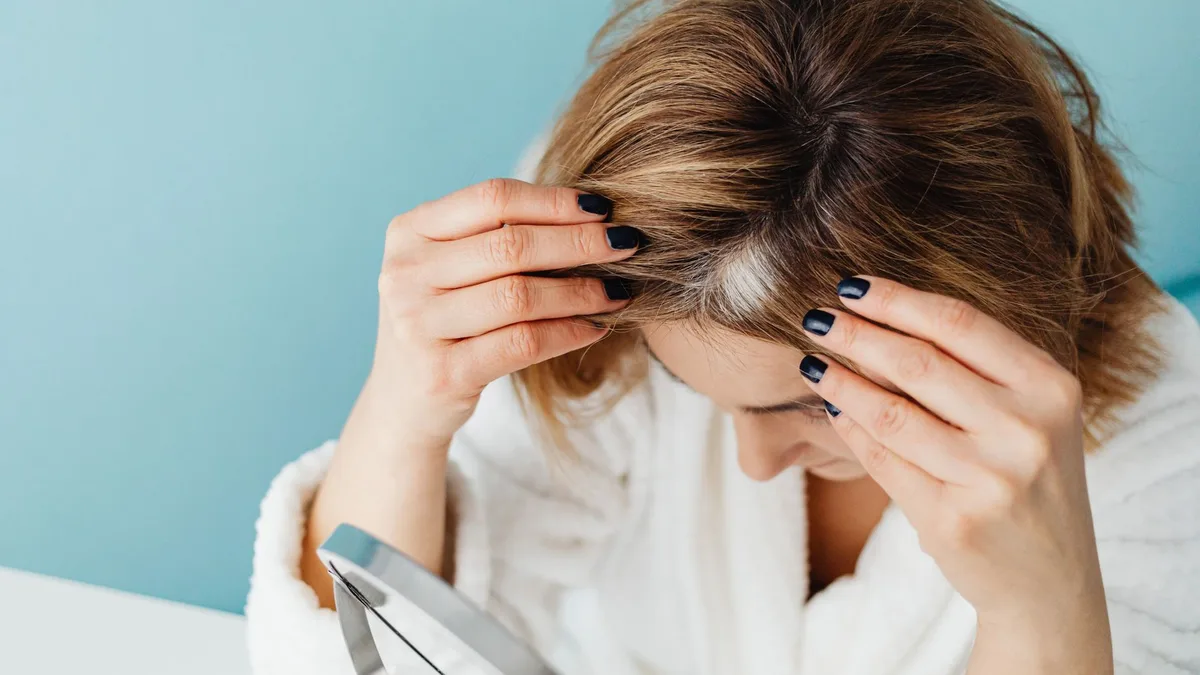
- Psoriasis or seborrhoeic dermatitis in flare. These are inflammatory conditions that need treating with medicated actives — ketoconazole, zinc pyrithione, selenium sulphide — not scrubbing. Physical exfoliation over an inflamed patch makes it worse.
- Eczema, open scratches or sunburn on the scalp.
- An already-sore scalp from over-washing or a strong treatment.
- Active shedding — exfoliate chemically rather than physically, and never with a stiff brush.
- Very recently coloured hair — a scrub the week after a colour appointment strips tone. Wait a fortnight.
If flaking persists after four to six weeks of sensible exfoliation, that is a signal to stop guessing and see a GP or trichologist — the routine in our scalp care routine guide explains how to tell dandruff from dryness.
What It Will and Will Not Do
| Realistic | Not realistic |
|---|---|
| Clears product and mineral buildup, so roots lift and hair looks less dull | Regrowing hair on its own |
| Reduces flaking caused by buildup and dead skin | Curing dandruff — that needs an antifungal |
| Relieves mild itch and that heavy, coated feeling | Fixing psoriasis or eczema |
| Helps serums and treatments absorb properly afterwards | Replacing regular washing |
| Makes hair feel noticeably lighter the same day | Permanently reducing oiliness — sebum production is hormonal |
The one genuinely underrated benefit: exfoliating before you apply a scalp serum means the serum reaches skin rather than sitting on a layer of residue. If you use treatment products, this is the step that makes them work.
Frequently Asked Questions
Does a scalp scrub help hair grow?
Indirectly. It clears congested follicles and improves circulation through massage, which creates better conditions for the hair you have. It does not stimulate new growth on its own — the daily massage habit has more evidence behind it than the scrub does.
Can I use a scalp scrub on coloured hair?
Yes, but not in the first fortnight after colouring, and keep the product on the scalp rather than dragging it through the lengths. Exfoliating acids and fresh toner do not mix — see our hair colour care guide.
Scrub or clarifying shampoo?
Different jobs. A clarifying shampoo strips residue from the hair; a scrub exfoliates the skin. If your hair feels coated, clarify. If your scalp feels congested and flaky, exfoliate. Doing both in one wash — clarify then scrub — is the deep-clean reset.
Can I use one if I have dandruff?
A salicylic acid exfoliant, yes — it lifts the scale and helps medicated shampoos work. But the scrub is the supporting act; the antifungal in an anti dandruff shampoo is what treats the cause.
Why does my hair feel dry after scrubbing?
Because the scrub has removed sebum from the roots and probably travelled down the lengths. Always follow with conditioner on the mid-lengths and ends, and if it keeps happening, exfoliate less often or switch to a gentler acid.
The Bottom Line
Pick acid over grit unless you have real buildup to shift, exfoliate on a schedule that matches your scalp rather than the packaging, keep the product on your skin and off your ends, and rinse for longer than you think.
A £10 salicylic scrub used weekly beats a £42 one used carelessly — and if your scalp is inflamed rather than congested, put the scrub down and read our scalp care routine guide first.