The scalp massager is the rare beauty product with an actual clinical study behind it — and that study involved nine people. Both halves of that sentence matter. There is real evidence that four minutes of daily massage thickens hair, and the evidence is thinner than the internet implies.
Here is what the research genuinely shows, what a £5 silicone brush can and cannot do, and how to use one so the four minutes count.
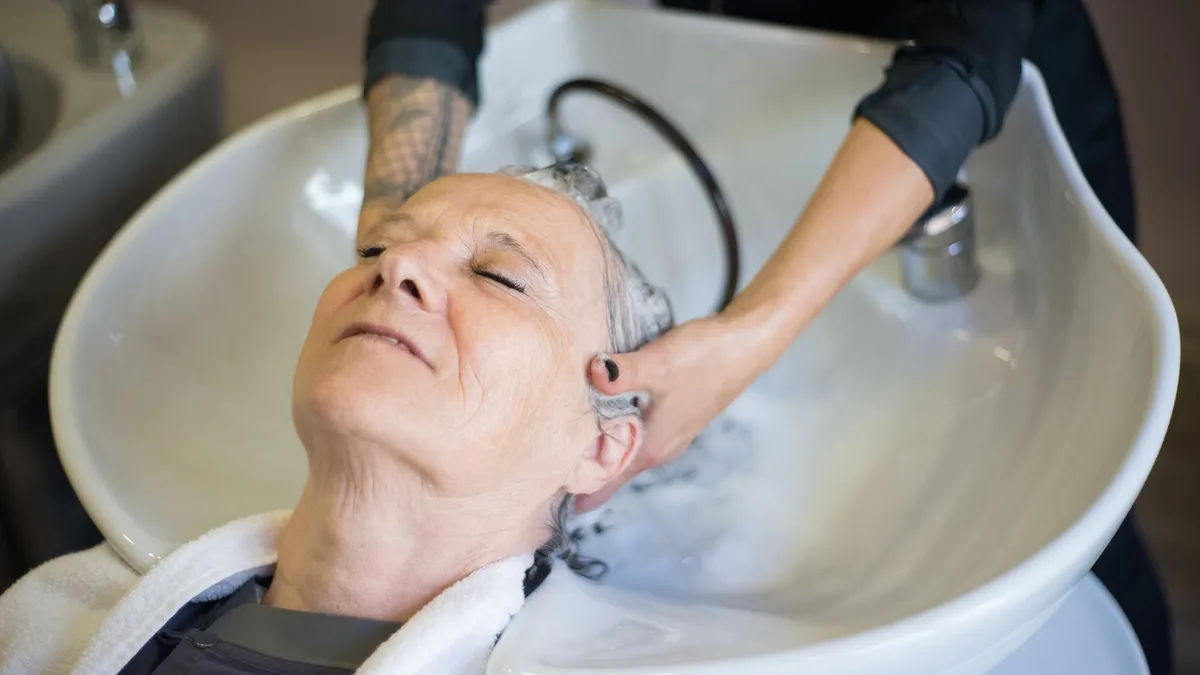
What the Studies Actually Found
| Study | What it did | Result | The catch |
|---|---|---|---|
| Koyama et al., 2016 | Four minutes of standardised daily scalp massage for 24 weeks | Hair shaft thickness rose from 0.085mm to 0.092mm — about 8% | Nine participants. Never replicated at scale |
| English & Barazesh, 2019 | Survey of 300+ people doing twice-daily massage, around 20 minutes total | 68.9% reported improvement in thinning | Self-reported only, and a protocol five times longer |
| Journal of Dermatological Treatment, 2020 | Laboratory work on massage and follicle biology | Improved dermal papilla cell activity | Mechanistic, not a clinical outcome |
An 8 per cent increase in strand thickness over six months is real and measurable — it is also modest, and it took daily consistency to achieve. Anyone promising transformation from a brush is overselling nine people’s hair.
How It Might Work
- Mechanical stretch. Compressing and moving the scalp applies stretch force to dermal papilla cells — the cells that govern the growth cycle — and appears to upregulate growth-related genes while dialling down others associated with shedding.
- Circulation. More blood flow means more oxygen and nutrients reaching the follicle, and better waste removal.
- Physical cleaning. Massage loosens dead skin, sebum and product residue, which is why a brush in the shower makes shampoo noticeably more effective.
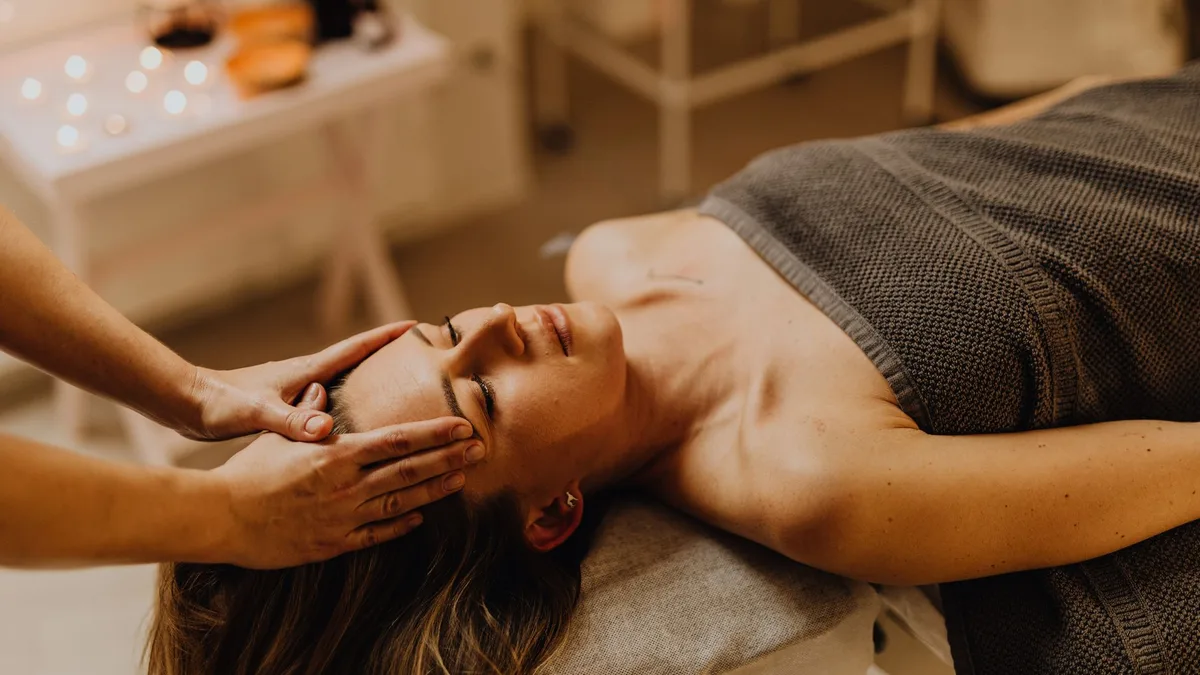
- Stress reduction. This is the best-evidenced effect of all: a measurable fall in cortisol within a single session, plus better mood and sleep.
That last one deserves more credit than it gets. Stress-related shedding is one of the most common causes of diffuse hair loss — so a habit that reliably lowers stress hormones may help your hair by a route that has nothing to do with follicles at all.
Choosing a Massager
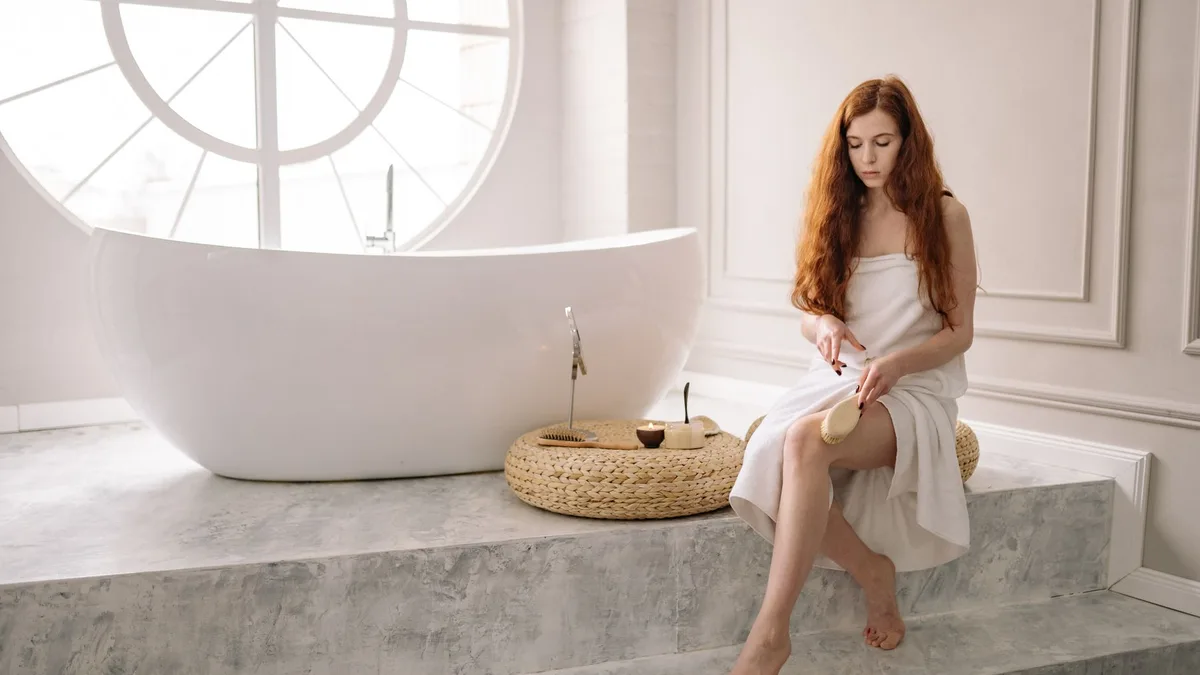
| Type | Price | Best for |
|---|---|---|
| Silicone manual brush | £4–£10 | The default. Shower use, distributing shampoo, lifting flakes, easy to clean |
| Firm bristle or wooden brush | £10–£25 | Dry-scalp stimulation and moving sebum down the lengths |
| Electric or vibrating massager | £25–£120 | Consistent pressure without hand fatigue; nice, not necessary |
The honest verdict: the tool barely matters. What the research points to is consistent, moderate pressure applied to the scalp for several minutes — your fingertips do that perfectly well. A £5 silicone brush mainly makes it easier and more comfortable to keep the habit.
One practical requirement: choose a non-porous material that dries completely between uses. A damp brush left in the shower grows exactly what you do not want near a scalp. Rinse it after each use and wash it with soap weekly.
How to Use One Properly
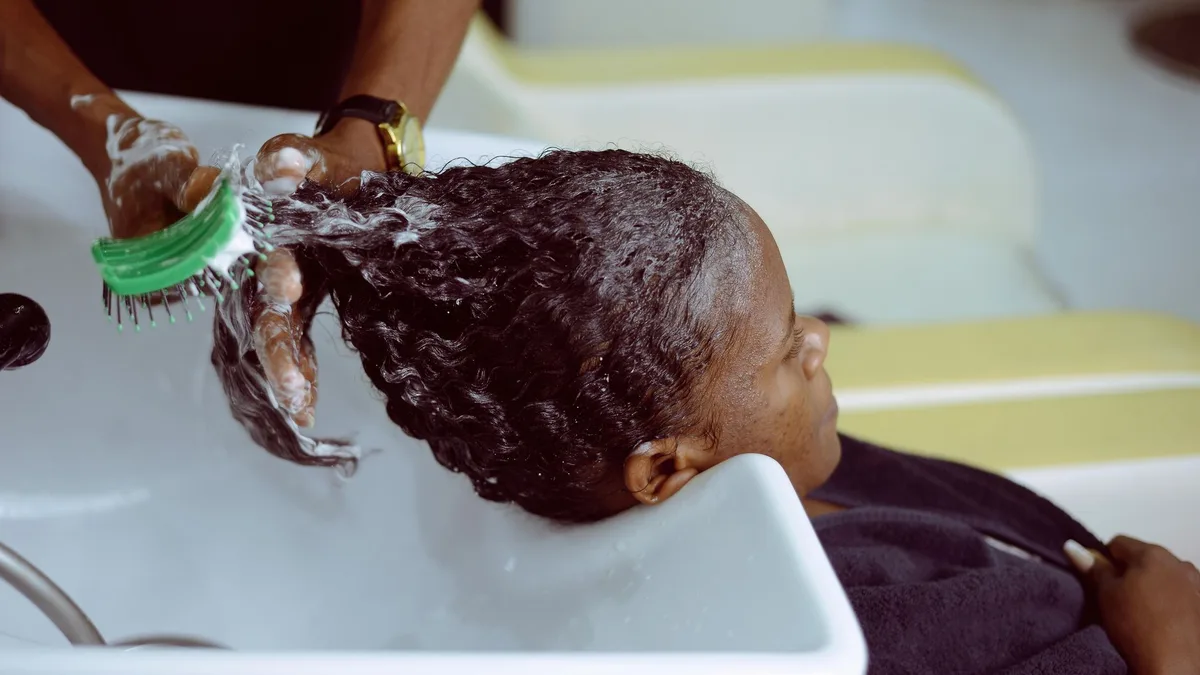
- Four minutes, daily. That is the protocol from the study that showed thickness gains. Consistency matters far more than session length.
- Firm compression, not scratching. You want to move the scalp itself over the skull, not drag bristles across the surface. If it hurts or reddens, ease off.
- Tool on the scalp, not the hair. The most common error — brushing the lengths achieves nothing here.
- Cover everywhere: hairline, crown, both sides, and the back of the head down to the occipital ridge, which almost everyone forgets and which holds the most tension.
- Best moments: during shampooing (it doubles as your cleansing massage), after applying a scalp serum to aid absorption, or dry in the evening as a wind-down.
- Do not use it on an inflamed, broken or sunburnt scalp, or over active psoriasis or eczema patches.
Stacking it into an existing step is what makes it stick: four minutes with shampoo in your hair costs you nothing extra, and you were standing there anyway.
What to Expect, and When
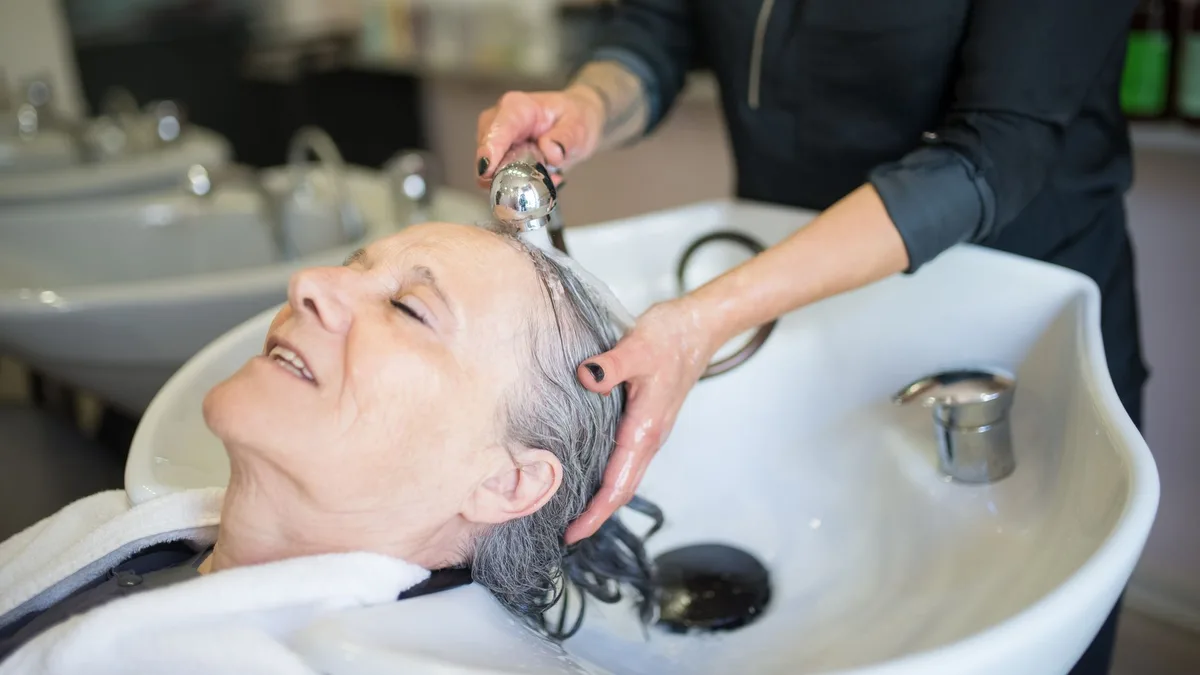
| When | What you should notice |
|---|---|
| Immediately | Relaxation, less head and neck tension, better sleep on evening use |
| Weeks 1–4 | A cleaner-feeling scalp, less flaking, less itch, better product absorption |
| Weeks 8–12 | Possibly reduced shedding, particularly if stress was a factor |
| 24 weeks+ | The window in which measurable thickness changes appeared in the research |
Set the expectation properly: this is a six-month habit with a modest payoff, not a fortnight’s fix. The immediate benefits — comfort, cleanliness, relaxation — are what keep most people going long enough to reach the rest.
Who It Will and Will Not Help
- Likely to help: stress-related shedding, congested or sluggish scalps, heavy product users, anyone with a tight scalp and tension headaches, and people who want a routine they will actually keep.
- Supportive at best: early or mild thinning, where it works alongside serums and a proper scalp routine rather than instead of them.
- Will not help: advanced androgenetic (hereditary) hair loss. That is hormonally driven and needs licensed medical treatment — massage is a pleasant addition, not an alternative.
- Avoid entirely: inflamed scalps, open sores, active flares of psoriasis or eczema, and freshly transplanted hair.
If your hair loss is sudden, patchy, or accompanied by scalp pain or scarring, skip the brush and see a GP or dermatologist — those signs point to conditions that no amount of massage will address.
Frequently Asked Questions
Do scalp massagers actually regrow hair?
They appear to thicken existing strands modestly — about 8 per cent over 24 weeks in the best-known study — and may reduce stress-related shedding. They do not regrow hair in bald areas, and the research base is small.
Can I just use my fingers?
Yes — the studies used manual massage, not tools. Fingertips work perfectly. A brush simply makes it easier on your hands and more comfortable in the shower, which for most people means they keep doing it.
Can a scalp massager cause hair loss?
Aggressive scrubbing with stiff bristles can cause breakage and irritation, particularly on fine or fragile hair. Use gentle pressure, choose silicone over hard plastic, and never drag the tool through tangles.
Wet or dry?
Both work. Wet with shampoo is the most efficient — you clean and massage at once, and a scalp scrub once a week fits the same slot. Dry in the evening is better for the relaxation benefit and for working serums in.
How long until I can stop?
Treat it as ongoing maintenance rather than a course. The benefits track with the habit — stop, and circulation, cleanliness and stress relief all revert. Fortunately, four minutes a day is the cheapest habit in this entire category.
The Bottom Line
Buy the £5 silicone one, use it for four minutes a day with firm pressure on the scalp rather than the hair, cover the back of your head as well as the top, and give it six months before you judge the thickness question.
Expect a cleaner, calmer scalp within a month and a modest improvement in strand thickness eventually — and pair it with the washing, exfoliating and treating steps in our scalp care routine guide, which is where the rest of the results come from.