
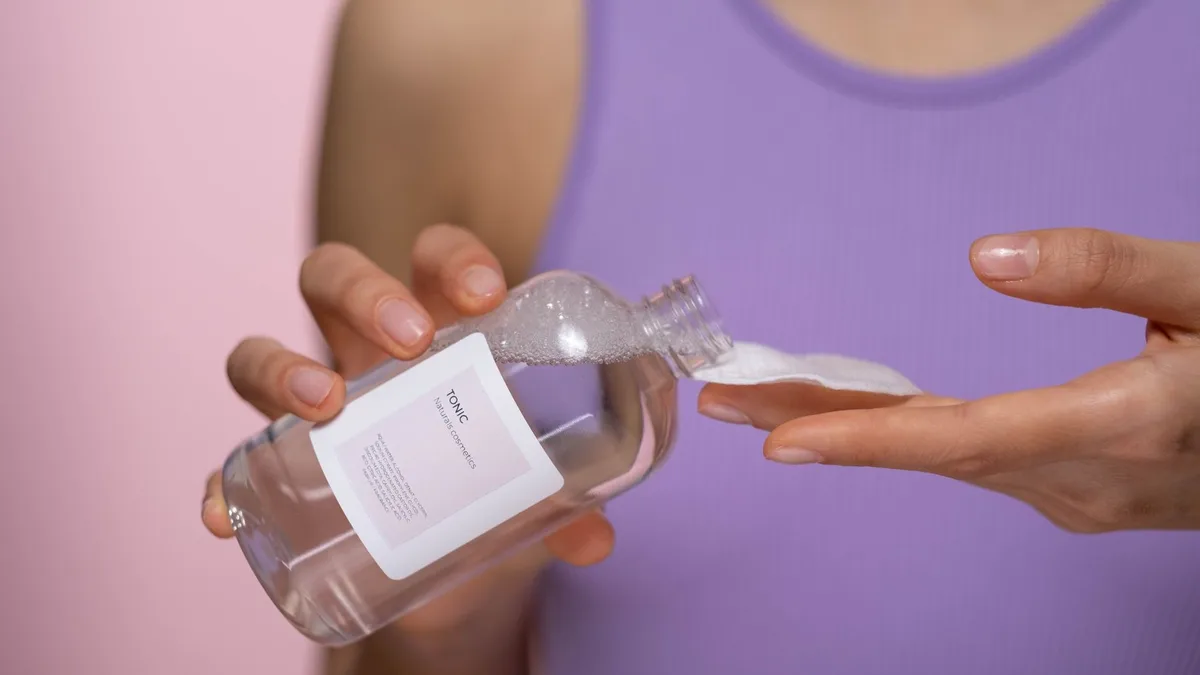
If there is one active that acne-prone skin tends to love, it is salicylic acid — and a toner is one of the easiest ways to use it. But “easy” is not the same as “anything goes,” and the people who get clearer skin from a salicylic acid toner are the ones who get the frequency, strength and pairing right. Overdo it and you swap breakouts for a stripped, irritated mess. Get it right and it quietly keeps pores clear day after day. It is a cornerstone of our acne treatment skincare guide, so here are the rules that make it work.
Why Salicylic Acid Suits Acne
Salicylic acid is a beta-hydroxy acid, and its superpower is that it is oil-soluble. That means it can get inside the pore, cut through the oil, and clear out the mix of sebum and dead skin that causes blackheads and spots — something water-soluble acids cannot do as well. It also gently exfoliates the surface and has anti-inflammatory properties that calm redness. For oily, congested and blemish-prone skin, that combination is close to ideal, which is why it turns up in so many acne products.
Strength and Frequency
Toners typically contain salicylic acid at around 0.5 to 2 per cent, and more is not automatically better. Start low, both in strength and frequency — a couple of times a week — and build up only as your skin tolerates it. Some people work up to daily use; others find every other day is plenty. The signs you have gone too far are tightness, flaking, stinging and increased redness. When in doubt, use it less often; consistent gentle use beats aggressive overuse every time.
The Pairing Rules
This is where routines go wrong. Salicylic acid does not play nicely with every other active at once.
- Go carefully with retinoids. Using strong acids and retinol together can overwhelm the skin; many people alternate them on different nights.
- Avoid stacking multiple exfoliating acids in the same routine unless your skin is well seasoned.
- Pair it with hydration. Follow with a soothing moisturiser to offset any drying effect.
- Always wear SPF. Exfoliating acids increase sun sensitivity, so daily sunscreen is non-negotiable.
How to Use It in Your Routine
Apply a salicylic acid toner after cleansing, usually in the evening, on a cotton pad or pressed in with clean hands, then follow with your moisturiser. Because it exfoliates, it makes a natural first step before other treatments — but give the skin a moment to absorb it. If you use it in the morning, always finish with sunscreen. And on nights your skin feels sensitive, simply skip it; there is no prize for pushing through irritation.
When Skin Gets Overwhelmed
If your skin starts to feel tight, red or raw, that is a sign to pull back and let the barrier recover. Scale down the frequency and lean on a soothing cica cream to calm things down. And once your acne is under control, salicylic acid also helps keep the pores clear that contribute to the marks a dark spot treatment then works to fade.
The Takeaway
A salicylic acid toner is one of the friendliest ways to keep acne-prone skin clear — as long as you respect the frequency, strength and pairing rules. Start low and slow, hydrate and protect, and back off at the first sign of irritation. Used with a light touch, it quietly clears pores and calms breakouts day after day.