Almost overnight, CBD went from a niche wellness curiosity to an ingredient in seemingly everything — face oils, serums, bath bombs, gummies and creams, all promising to calm, soothe and glow. The claims are sweeping, the products are premium-priced, and the science, it turns out, is still catching up to the hype. Add a genuinely confusing regulatory picture, and it is easy to feel lost. Cutting through to what the current evidence actually shows helps you approach CBD beauty with informed curiosity rather than blind enthusiasm. It is the trendy newcomer in our guide to beauty supplements. This is general information, not medical advice.
What CBD Is
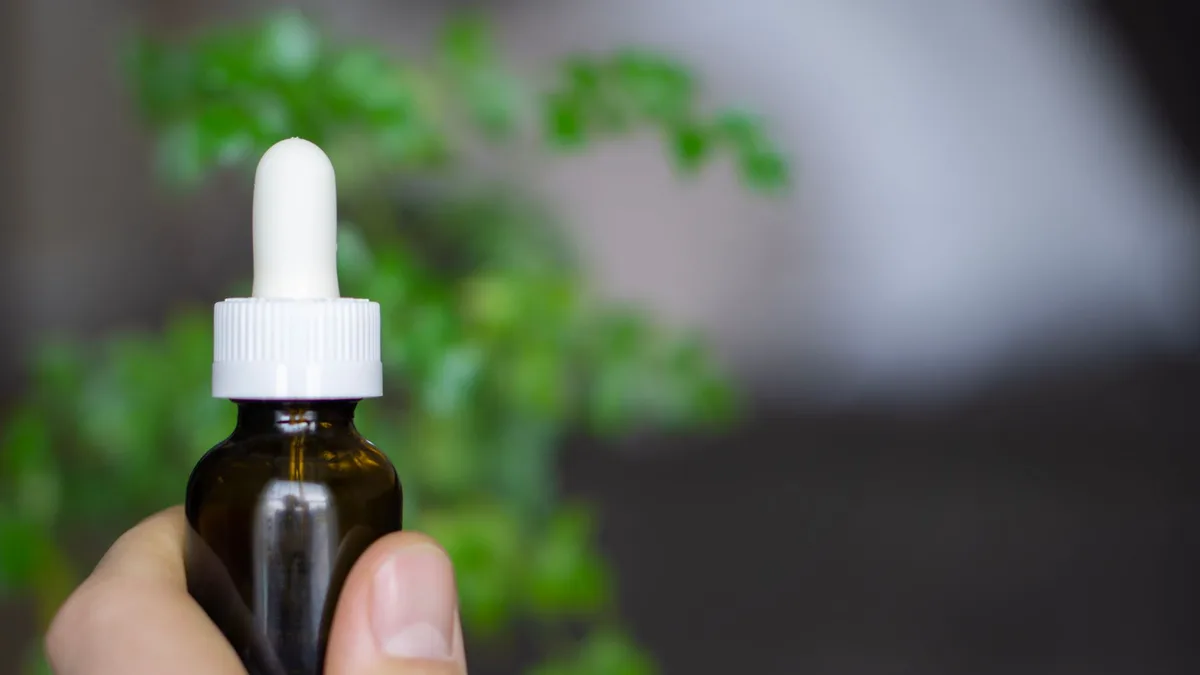
CBD, or cannabidiol, is a compound derived from the hemp plant. Crucially, it is not the same as THC and is not intoxicating — it will not get you high. In beauty and wellness, it appears both in topical products applied to the skin and in ingestible forms like oils and gummies, marketed for everything from calming inflammation and acne to reducing stress and improving sleep. Its appeal rests on being a “natural,” plant-derived compound with anti-inflammatory potential — but as always, natural does not automatically mean proven or effective.
What the Evidence Shows
Here honesty is essential. There is some early, promising research suggesting CBD has anti-inflammatory and antioxidant properties that could, in theory, help soothe skin conditions like acne, eczema and general irritation when applied topically. But the evidence specific to skincare is still limited and early-stage, and many products contain such small amounts of actual CBD that any effect is questionable. So the concept is not baseless — there may be genuine soothing benefits — but the current science does not support the sweeping claims, and much of the market is riding the trend more than the data.
The Regulation Problem
One genuine concern is quality and consistency. The CBD market is loosely regulated in many places, which means products can vary enormously in how much CBD they actually contain, how pure they are, and whether the labelling is accurate — some contain far less than claimed, or trace contaminants. Without strict oversight, it is hard to know exactly what you are buying. If you do try CBD beauty, choosing reputable brands that provide third-party lab testing and clear ingredient information is the sensible way to navigate an immature, inconsistent market.
Approaching CBD Sensibly
- Keep expectations modest — treat it as a potentially soothing extra, not a proven miracle.
- Choose lab-tested, reputable products with transparent CBD content and ingredient lists.
- Patch test topicals as you would any new skincare, especially on sensitive skin.
- Consult a doctor before ingesting CBD, particularly if you take other medication, as it can interact.
Trend vs Substance
CBD is a useful case study in how to approach any trendy new beauty ingredient: with curiosity, but also scepticism. Promising early research does not equal proven benefit, and a hyped, premium-priced newcomer is rarely better than the well-established, evidence-backed ingredients in a good routine. The same measured approach applies to every “next big thing,” from CBD to whatever follows it — let evidence, not marketing, guide your spending.
The Takeaway
CBD in beauty rests on early, promising but limited evidence for soothing, anti-inflammatory effects — not the sweeping benefits the marketing claims. A loosely regulated market means quality and CBD content vary widely, so choose lab-tested products and keep expectations modest. Treat CBD, and any trendy newcomer, with informed curiosity: interesting, possibly helpful, but no substitute for proven basics.