It all began with a single lavender plant sitting on a small balcony in North London. Every morning, Sarah watered it before leaving for work, hoping it would survive another busy week. What started as one pot soon became a collection of herbs, colourful flowers, and climbing plants that transformed her tiny outdoor space into a peaceful escape. But she quickly realised that enthusiasm alone was not enough. Digging with kitchen spoons, trimming plants with old scissors, and carrying water in plastic bottles made every task harder than it needed to be. Everything changed when she invested in a few quality gardening tools. Her story is one that many London gardeners can relate to. Whether you have a spacious garden, a compact courtyard, or a balcony filled with containers, choosing the essential gardening tools London gardeners trust can make gardening easier, more enjoyable, and far more rewarding.
Why the Right Gardening Tools Matter More Than You Think
Every beautiful garden has a story behind it, and that story usually begins with the right equipment. It is easy to believe that gardening success depends only on plants and soil, but experienced gardeners know that good tools save time, reduce effort, and help plants stay healthier. Imagine trying to transplant a young rose bush using only your hands. The roots become damaged, the soil is disturbed, and what should have been an enjoyable afternoon turns into hard work.
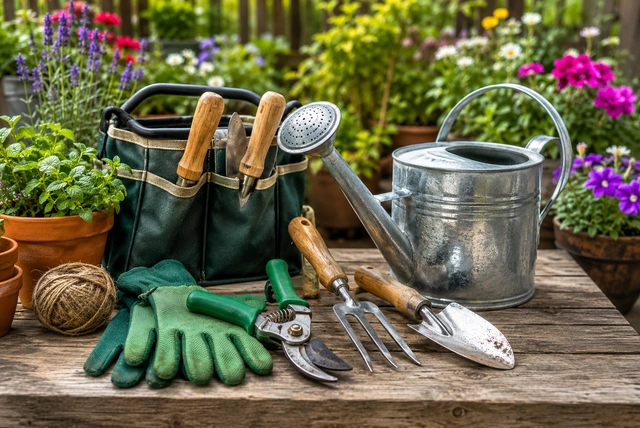
Quality gardening tools allow you to work with your garden instead of against it. A well-balanced hand trowel slips easily into the soil, while a strong garden fork loosens compacted ground without damaging plant roots. Sharp secateurs make clean cuts that heal quickly, helping plants grow stronger. Comfortable gardening gloves protect your hands from blisters, thorns, and rough branches, making longer gardening sessions much more pleasant.
Buying fewer, better-quality tools is often a smarter investment than filling your shed with cheap equipment. Stainless steel blades resist rust during London’s wet weather, while ergonomic handles reduce strain on your wrists and hands. According to Whitakers Garden Centre, investing in durable tools can save money over time because they last significantly longer than lower-quality alternatives when properly maintained.
If you enjoy visiting green spaces across the city, exploring London’s best parks can inspire ideas for flowers, shrubs, and garden layouts that work well in the capital’s climate.
The Essential Garden Tools Every London Gardener Should Own
Walk into any experienced gardener’s shed and you will probably notice something interesting. There are not hundreds of gadgets. Instead, there is a carefully chosen collection of reliable tools that get used throughout the year. Whether you are maintaining a family garden in South London or growing herbs on a balcony in Canary Wharf, these gardening essentials cover almost every everyday task.
- Hand Trowel: Perfect for planting flowers, herbs, bulbs, and seedlings. It is one of the most frequently used garden hand tools.
- Garden Spade: Ideal for digging larger planting holes, edging borders, and moving soil.
- Garden Fork: Excellent for breaking up compacted soil, improving drainage, and mixing compost.
- Secateurs (Pruning Shears): Essential for trimming flowers, removing dead stems, and shaping shrubs. Bypass secateurs are best for live plants, while anvil secateurs work better on dry branches.
- Garden Hoe: Makes removing weeds quick and efficient before they spread.
- Watering Can: Delivers gentle watering that protects delicate seedlings and container plants.
- Gardening Gloves: Protect your hands while improving grip during wet weather.
- Rake: Useful for collecting leaves, spreading mulch, and levelling soil.
These essential garden tools form the foundation of almost every successful garden. As your confidence grows, you can gradually add specialist equipment such as loppers for thicker branches, a hori hori knife for digging and cutting roots, or a wheelbarrow for transporting compost and garden waste.
According to Thrive, choosing tools that suit your strength, mobility, and gardening style can make gardening more comfortable and accessible for people of all ages.
Gardening in London Comes with Its Own Challenges
Gardening in London is unlike gardening in many other parts of the UK. Space is often limited, storage can be a challenge, and many gardens are surrounded by buildings that create changing patterns of sunlight throughout the day. Yet these challenges also make gardening incredibly rewarding because every plant that thrives feels like an achievement.
Many London residents care for balconies, terraces, rooftop gardens, and compact courtyards rather than large lawns. In these spaces, lightweight gardening equipment often works better than oversized tools designed for rural gardens. A compact hand trowel, small watering can, and lightweight garden fork are usually all that is needed to maintain healthy plants.
Urban gardening London residents enjoy has also become increasingly popular because container gardening allows people to grow herbs, vegetables, and flowers in surprisingly small areas. Tomatoes, lavender, rosemary, mint, and strawberries all grow well in containers when given enough sunlight and regular watering. During warmer months, containers dry out much faster than traditional garden beds, making a watering can an everyday essential.
If you are exploring different parts of the capital or looking for ideas to improve your outdoor lifestyle, our London guide offers plenty of inspiration beyond the garden gate.
As reported by Garden Design, selecting well-balanced tools with stainless steel heads and comfortable handles reduces fatigue and makes routine gardening tasks significantly easier throughout the year.
How to Choose the Best Gardening Tools in the UK
Buying gardening tools can feel overwhelming because every shop promises that its products are the best. The truth is that choosing the right tool is usually more important than choosing the most expensive one. A quality hand trowel that feels comfortable in your hand will be used hundreds of times, while an expensive tool that feels awkward may stay in the shed.
Start by looking for stainless steel or forged steel heads. These materials resist rust, stay sharp longer, and are easier to clean after working in damp soil. Wooden ash handles are durable and absorb vibration well, while modern fibreglass handles are lightweight and weather resistant. Ergonomic grips are particularly useful if you spend long periods pruning or digging because they reduce pressure on your hands.
It is also worth checking whether replacement parts or blades are available. Good-quality secateurs often allow you to replace springs and blades instead of buying an entirely new tool. This not only saves money but also reduces waste.
One common mistake beginners make is purchasing every tool they see. Instead, build your collection gradually. Start with the gardening tools London homeowners use most often, then add specialist equipment only when your garden genuinely needs it. This approach keeps costs manageable while ensuring every tool earns its place in your gardening routine.
Looking After Your Gardening Tools So They Last for Years
Every experienced gardener has a favourite tool that has been with them for years. It may be an old pair of secateurs passed down by a family member or a sturdy hand trowel that has planted hundreds of flowers. The difference is rarely luck—it is regular care. Looking after your garden maintenance tools takes only a few minutes after each gardening session, but those few minutes can add years to their life.
After working in the garden, brush off loose soil before it dries. If tools are particularly dirty, rinse them with water and dry them thoroughly to prevent rust. Cutting tools such as pruning shears and secateurs should be sharpened every few months, especially during the growing season when they are used frequently. A sharp blade makes cleaner cuts, helping plants recover more quickly while reducing the effort needed to prune.
It is also worth applying a small amount of oil to moving parts, particularly on secateurs and loppers. This keeps them working smoothly and prevents corrosion during London’s damp winters. Store tools in a dry shed, garage, or storage box rather than leaving them outside. Even stainless steel benefits from proper storage.
- Clean tools after every use.
- Dry metal parts completely before storing.
- Sharpen cutting blades regularly.
- Oil hinges and moving parts every few weeks.
- Replace worn handles or blades where possible instead of buying new tools.
According to Joe Gardener, maintaining tools properly not only extends their lifespan but also makes every gardening task safer and more efficient.
Common Mistakes New Gardeners Make and How to Avoid Them
Almost every gardener has made a few mistakes in the beginning. Many people buy too many tools before they even know what they will use. Others choose the cheapest options available, only to replace them a few months later. Gardening is a skill that grows with experience, and your tool collection should grow with it.
One of the most common mistakes is using the wrong tool for the job. Digging with a hand trowel when a garden spade is needed wastes time and puts unnecessary strain on your hands. Similarly, trying to cut thick branches with small pruning shears can damage both the plant and the tool.
Another mistake is forgetting that plants need regular attention rather than occasional bursts of effort. Spending just fifteen minutes every few days weeding, watering, pruning, and checking for pests is often more effective than spending an entire weekend fixing neglected problems.
Container gardeners in London should also remember that pots dry out much faster than flower beds, especially during warm weather. Checking soil moisture daily can prevent plants from becoming stressed.
According to The Guardian, gardening experts consistently recommend investing in versatile, high-quality tools first, rather than filling your shed with equipment you may rarely use.
Building Your Garden One Season at a Time
One of the greatest joys of gardening is that every season brings something new. Spring is filled with planting and fresh growth. Summer rewards your efforts with colourful flowers and thriving vegetables. Autumn becomes the perfect time to tidy borders, plant bulbs for next year, and enrich the soil with compost. Winter offers a chance to prune dormant shrubs, clean tools, and prepare for another growing season.
As your garden changes throughout the year, your gardening equipment will support different jobs. A rake becomes invaluable for collecting autumn leaves, while a garden fork helps prepare beds before spring planting. During summer, a watering can and gardening gloves quickly become your most-used companions. By rotating your focus with the seasons, gardening feels less like hard work and more like an enjoyable rhythm.
If you’re thinking about creating a more relaxing outdoor space, you may also enjoy our guide to outdoor furniture ideas, which complements gardens, patios, and balconies beautifully.
According to Gardening Know How, building a collection of dependable tools over time is more practical than buying everything at once, especially for beginners.
Where to Buy Gardening Tools in London
Finding quality UK gardening supplies has never been easier. London offers everything from independent garden centres to large home improvement stores and trusted online retailers. While it may be tempting to choose the cheapest option, experienced gardeners often recommend holding a tool before buying whenever possible. The balance, weight, and grip can make a surprising difference during long gardening sessions.
If you are shopping online, pay close attention to customer reviews, warranty information, and replacement part availability. Quality brands often allow replacement blades for secateurs or spare handles, helping your tools last much longer.
Remember that you do not need to buy everything immediately. A beginner can confidently start with:
- Hand trowel
- Garden fork
- Garden spade
- Bypass secateurs
- Gardening gloves
- Watering can
- Garden hoe
Once your garden grows, you can gradually add specialist equipment like loppers, a hori hori knife, kneeling pad, rake, or wheelbarrow based on your needs rather than impulse purchases.
Whether you are creating your first balcony garden or maintaining a family garden that has been loved for years, remember that every experienced gardener once started exactly where you are today. Choosing the essential gardening tools London gardeners depend on is not about owning the biggest collection—it is about having reliable equipment that makes every task easier and every season more enjoyable. With a quality hand trowel, garden spade, garden fork, pruning shears, watering can, and gardening gloves, you already have everything needed to begin. As your confidence grows, your garden will grow with you, rewarding your patience with colourful flowers, healthy plants, and peaceful moments that make all the effort worthwhile. Start small, care for your tools as carefully as your plants, and enjoy watching your outdoor space become something truly special.
Frequently Asked Questions
What are the most essential gardening tools for beginners in London?
Beginners should start with a hand trowel, garden spade, garden fork, bypass secateurs, watering can, gardening gloves, and a garden hoe. These essential garden tools are suitable for planting, pruning, watering, and general garden maintenance in most London gardens.
Which gardening tools are best for balcony gardening?
Compact tools work best for balcony gardening. A hand trowel, lightweight watering can, pruning shears, gloves, and small cultivator are easy to store while providing everything needed to care for containers and raised planters.
Are expensive gardening tools worth buying?
In many cases, yes. High-quality gardening tools made from stainless steel or forged steel usually last much longer, stay sharper, and are more comfortable to use than cheaper alternatives, making them better value over time.
How often should I sharpen secateurs and pruning shears?
For regular home gardening, sharpening every few months is usually enough. If you prune frequently during spring and summer, inspect the blades regularly and sharpen them whenever cutting becomes less clean.
How should I store gardening equipment in London?
Store tools in a dry shed, garage, or waterproof storage box. Always clean and dry them before storage, and lightly oil moving parts to protect them from rust caused by damp weather.
What is the difference between a garden fork and a garden spade?
A garden fork is designed to loosen soil, improve drainage, and mix compost, while a garden spade is used for digging, edging, lifting plants, and creating planting holes. Both are essential gardening tools for maintaining healthy gardens.
Can I start gardening with only a few tools?
Absolutely. Many experienced gardeners begin with just six or seven basic tools. As your skills and garden grow, you can gradually add specialist equipment based on the types of plants you grow and the gardening tasks you perform most often.