
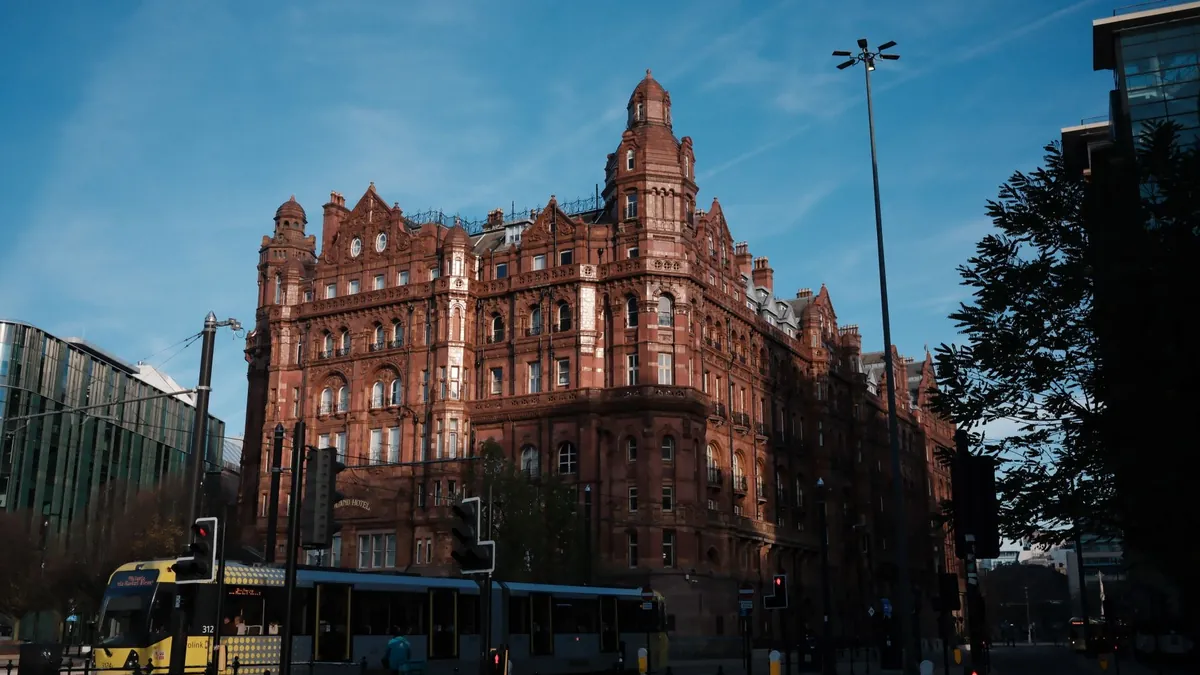
Manchester’s biggest theatres are the Palace Theatre (1,955 seats) and the Opera House (1,920), both home to touring musicals, followed by the Lyric Theatre at The Lowry (1,730). For something more intimate, the Royal Exchange seats about 700 in the round, HOME’s main theatre seats 500, and Hope Mill Theatre is smaller still. This guide from The London Report covers ten places to see live entertainment in Manchester, with verified facts on each, what has changed since our 2025 version, and how to choose.
Planning a London trip as well? See our London theatre and entertainment guide. For Manchester, you can also read our Treehouse Manchester guide for where to stay.
Key takeaways
- Big touring shows: the Palace Theatre (1,955 seats, opened 1891) and the Opera House (1,920 seats, opened 1912), both run by Ambassador Theatre Group.
- Unusual and intimate: the Royal Exchange is a theatre in the round (about 700 seats), and Hope Mill Theatre is a small fringe venue in a former cotton mill.
- New and creative: HOME (opened 2015) mixes theatre, cinema and gallery, and Contact focuses on young people.
- Beyond theatres: The Lowry (Salford Quays), the arena (now sponsored as AO Arena, 23,000 capacity) and Frog and Bucket comedy club are all on this list.
- Seat counts differ between sources, so check each venue’s seating plan before you book.
Manchester theatres at a glance
The ten entries in this guide range from large touring houses to small fringe stages. The table and charts show how they compare. Capacities are approximate, because published figures vary.
| Venue | Opened | Main space (approx. seats) | Best for |
|---|---|---|---|
| Palace Theatre | 1891 | 1,955 | Big touring musicals |
| Royal Exchange Theatre | 1976 | About 700 (in the round) | Drama and classics, up close |
| HOME | 2015 | 500 (Theatre 1) | New work, international theatre, cinema |
| Hope Mill Theatre | 2015 | About 120 to 145 | Small-scale musicals |
| Opera House | 1912 | 1,920 | Musicals and family shows |
| Contact | n/a | About 290 (licensed maximum, Space 1) | Young talent and new voices |
| The Lowry | 2000 | 1,730 (Lyric) and 466 (Quays) | A full day out with galleries |
| Arena (AO Arena) | 1995 | 23,000 | Concerts and major live events |
1. Palace Theatre Manchester: where big touring shows land
The Palace Theatre opened on Whit Monday 1891 and was built to hold 3,675 people, a figure that has since been cut to 1,955 seats. It is a Grade II listed building (Wikipedia). After a refurbishment in the late 1970s it reopened in 1981 with Jesus Christ Superstar, and ATG describes it as the premier provincial touring venue (ATG Tickets).
Why visitors love it
It is the place to see major touring musicals without travelling to London. Its large auditorium and traditional design give a classic night out. Book early for big shows, and check the seating plan for sightlines.
Best for: large-scale musicals and a classic theatre evening.
2. Royal Exchange Theatre: theatre in the round
The Royal Exchange opened on 15 September 1976 and was opened by Laurence Olivier. Its auditorium is a seven-sided, transparent structure of tubular steel and glass that sits as a separate module inside the great hall of the historic Royal Exchange building. It seats about 700 people, all within 10 metres of the centre of the stage (Max Fordham), although other sources give figures up to 800. A bomb in 1996 damaged the building, and the theatre reopened on 30 November 1998 after repairs (Wikipedia: Royal Exchange Theatre sets out the history). It also has a smaller Studio and runs the Bruntwood Prize for North West Playwriting (Royal Exchange).
What makes it special
Because the audience surrounds the stage, you are closer to the actors than in most theatres, and there is no hiding place for either side. It suits drama and classic plays.
Best for: immersive drama. Check: the seating plan, as the view varies by side and level.
3. HOME Manchester: theatre, cinema and gallery in one building
HOME opened on 24 April 2015 at 2 Tony Wilson Place. Its main Theatre 1 normally seats 500 across three levels. It also has a studio theatre of roughly 130 to 150 seats, depending on the source, plus several cinemas and a gallery (HOME; Manchester City Council).
Why you should visit HOME
HOME is a good choice if you want to see new work, international productions or independent film in the same evening. A pre-show film or exhibition is an easy way to build a full night.
Best for: contemporary theatre and cinema.
4. Hope Mill Theatre: small space, big musicals
Hope Mill Theatre is in Ancoats, at 113 Pollard Street, inside a Grade II* listed former cotton mill built in 1824. It opened in November 2015 and has been named Fringe Theatre of the Year at The Stage Awards (Manchester’s Finest). Estimates of its size range from about 120 to 145 seats, depending on configuration. In 2025 it announced plans to take over the front of the ground floor of the mill building, doubling its floor space, to create a community hub (British Theatre Guide). Its own website says Hope Mill Theatre Arts, a BA (Hons) in Musical Theatre Performance, launches in September 2026 (Hope Mill Theatre).
The charm of independent theatre
In a space this small you can see every expression. It is a good place to discover emerging performers and fresh takes on musicals.
Best for: small-scale musicals. Check: shows can sell out because of the small capacity.
5. Opera House Manchester: a classic favourite
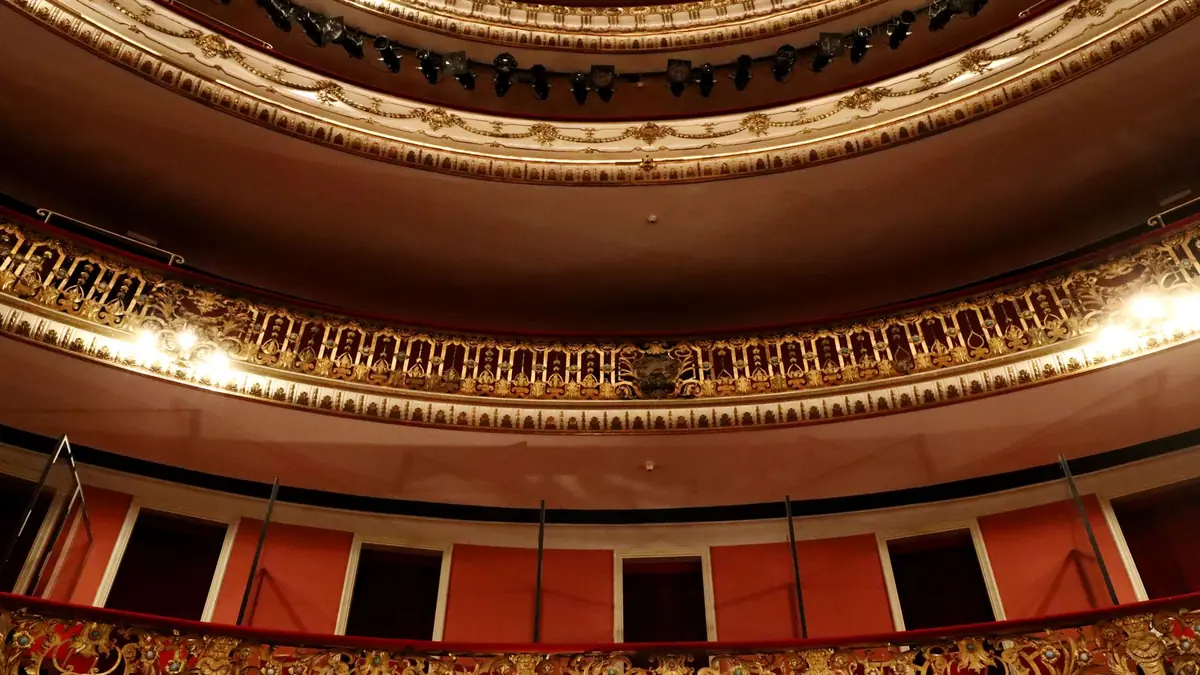
The Opera House opened on Boxing Day 1912 as The New Theatre, and became the Opera House in 1920. It served as a cinema during the Second World War and later a bingo hall, then reopened as a theatre in 1984 (ATG Tickets). It has 1,920 seats, is Grade II listed and is run by Ambassador Theatre Group, the same company as the Palace (Wikipedia).
What to expect here
Expect large-scale touring productions in a traditional auditorium. It suits families, couples and groups who want a reliable night at the theatre. Past productions have included Barnum and Phantom of the Opera.
Best for: family-friendly musicals.
6. Contact Theatre: bold and youthful energy
Contact is on Oxford Road (M15 6JA) and puts young people and new voices at the heart of its programme. Manchester City Council lists an approved maximum occupancy of 290 for Space 1, and sources give Space 2 at around 70 to 80 seats (Manchester City Council). One report says the theatre closed for a major refurbishment from 2018, and its relaunch was reported in July 2020 (Manchester Evening News).
Why it stands out
It is a strong choice if you want bold, experimental work and a younger crowd. Check the current programme on the venue’s website, as shows change often.
Best for: new voices and experimental theatre.
7. The Lowry: a full arts experience
The Lowry is a theatre and gallery complex at Salford Quays that opened on 28 April 2000 and was officially opened by Queen Elizabeth II on 12 October 2000. It has the 1,730-seat Lyric Theatre, the Quays Theatre (466 seats, or 440 on the venue’s own hire page) and a drama studio of about 150 seats, plus about 2,000 square metres of gallery space for its collection of L. S. Lowry works and temporary exhibitions (Wikipedia: The Lowry). In 2010 and 2011 it was Greater Manchester’s most visited tourist attraction.
Why visitors love The Lowry
You can combine a show with gallery time and the waterfront. Allow time to get to Salford Quays, which is outside the city centre, so plan your journey in advance.
Best for: a full day or evening of drama, dance and art.
8. The arena (AO Arena): large-scale entertainment
The arena opened on 15 July 1995 and is currently known as AO Arena for sponsorship reasons. After a redevelopment completed in early 2024 its capacity is 23,000, and a new sponsorship deal runs until at least 2030 (Wikipedia: Manchester Arena). A second large venue, the 23,500-capacity Co-op Live, has also opened in the city. Both are mainly concert venues, but they host large touring productions and live events.
The experience at the arena
This is a different kind of night from a theatre: big crowds, big sound and big screens. Check the event’s age policy and bag rules before you go.
Best for: major concerts and large live shows.
9. Frog and Bucket Comedy Club: laugh out loud
Frog and Bucket is at 102 Oldham Street (M4 1LJ) and runs regular nights such as Thursday Night Live and Sunday Night Live. Recent listings show doors at 7pm, the show starting at 8pm and finishing at about 10.30pm, with line-ups that can change (Ents24 listing; venue website).
Why comedy lovers visit
It is an easy, informal night out and a good way to see a mix of newer and established acts. Book ahead for weekends and check that the line-up is what you expect.

10. Fringe theatres: discover hidden talent
Manchester has many small venues for new and independent work. 53two sits in the arches beneath Manchester Central and hosts new writing and festivals. The Kings Arms in Salford and Z-arts on Stretford Road also run community and fringe programmes, and Hope Mill (above) is part of the same Greater Manchester small venues network (Manchester’s Finest). The Greater Manchester Fringe, which celebrated 15 years in 2026, ran from 1 to 31 July (Creative Tourist). For what’s on across the city, see Visit Manchester.
The magic of fringe theatre
Small venues are often cheaper and more experimental. You might see a future star or a show you will not see anywhere else.
Best for: new writing and low-cost nights out.
What has changed since our 2025 guide
| Change | Detail | Source |
|---|---|---|
| Arena name | Manchester Arena is now sponsored as AO Arena, with a deal to at least 2030 | Wikipedia: Manchester Arena |
| New arena | Co-op Live (23,500 capacity) has opened as another large venue | Wikipedia: Manchester Arena |
| New cultural venue | Aviva Studios (Factory International) opened in 2023. Its Warehouse holds up to 5,000 standing and its Hall about 1,600 seated | Manchester City Council |
| Hope Mill | Plans to double its floor space; a BA in Musical Theatre Performance launches in September 2026 | Hope Mill Theatre; British Theatre Guide |
| Contact | Relaunch reported in July 2020 after a major refurbishment | Manchester Evening News |
Which Manchester venue is right for you?
- Want a big West End-style night? Palace Theatre or the Opera House.
- Want drama up close? The Royal Exchange.
- Want something new? HOME or Contact.
- Want an intimate musical? Hope Mill Theatre.
- Want a full day out? The Lowry, with its galleries and waterfront.
- Want to laugh? Frog and Bucket.
- Want to try something unpredictable? Browse the fringe venues and the Greater Manchester Fringe in July.
Planning your theatre trip
Book through the venue’s own website where possible, check the seating plan and any access information, and keep an eye on start times, which differ by venue. For general listings see Visit Manchester. Whether you are visiting from London or elsewhere, a city-centre stay lets you walk to most of these theatres. For ideas, read our Treehouse Manchester guide or browse this Manchester hotel guide.
Tips for a comfortable stay
Try to book a hotel near the city centre so you can walk to the theatres, and check transport links if you plan to visit The Lowry in Salford Quays or the arena. For more of our guides, see our art, travel and destination sections.
Final thoughts
Manchester’s venues range from a 1,955-seat Victorian touring house to a small mill-based fringe stage and a theatre in the round. Pick by the kind of night you want, check the venue’s own seating plan and current programme, and book early for popular shows.
FAQs
What is the biggest theatre in Manchester?
The Palace Theatre has 1,955 seats and the Opera House has 1,920, and both are operated by Ambassador Theatre Group (Wikipedia; Wikipedia). The Lowry’s Lyric Theatre has 1,730 (Wikipedia).
Which Manchester theatre is in the round?
The Royal Exchange Theatre. Its steel-and-glass auditorium sits inside the Royal Exchange building and seats about 700, all within 10 metres of the stage (Max Fordham).
Where can I see touring West End musicals in Manchester?
Mainly at the Palace Theatre and the Opera House, which both host national tours (ATG Tickets; ATG Tickets).
Which Manchester theatre is best for new work?
HOME and Contact both focus on new and contemporary work, and the fringe venues are good for emerging artists.
Is Manchester Arena still called that?
It is currently sponsored as AO Arena, under a deal that runs to at least 2030 (Wikipedia).
Where is Frog and Bucket Comedy Club?
At 102 Oldham Street, Manchester M4 1LJ. Recent listings show doors at 7pm and shows at 8pm (Ents24).
Is the Greater Manchester Fringe still on?
The 2026 festival ran from 1 to 31 July and celebrated 15 years (Creative Tourist). Check for 2027 dates.
Where should I stay for a theatre trip in Manchester?
A city-centre hotel keeps most theatres within walking distance. See our Treehouse Manchester guide and Manchester hotel guide.
Are the seat numbers exact?
No. Published figures differ between sources, and some venues change their layout for different shows. Check the venue’s seating plan before booking.
Editor’s note: what changed in this update
On 28 October 2026 we rewrote this page. We replaced general descriptions with verified facts on each venue (opening years, capacities, listed status and recent changes), added charts and tables, updated the arena’s name and added new venues, and replaced the link on the first page that pointed back to this same article. We kept our two Manchester hotel links and the links to venue websites. Photos in this guide are illustrative licensed images and are not pictures of the venues named.
Sources
- ATG Tickets: Palace Theatre; ATG Tickets: Opera House; Wikipedia: Palace Theatre; Wikipedia: Manchester Opera House
- Royal Exchange Theatre; Max Fordham: Royal Exchange Theatre; Wikipedia: Royal Exchange Theatre
- HOME; Manchester City Council: HOME; Manchester City Council: Contact; Manchester Evening News: Contact relaunch (28 July 2020)
- Hope Mill Theatre; British Theatre Guide: Hope Mill expands; Manchester’s Finest: best theatres in Manchester
- Wikipedia: The Lowry; Wikipedia: Manchester Arena; Manchester City Council: Aviva Studios
- Ents24: Frog and Bucket listing; Creative Tourist: Greater Manchester Fringe; Visit Manchester: theatre
Disclaimer
Capacities, dates and programmes change, and published figures differ between sources. This guide reflects what we could verify on 28 October 2026. Check each venue’s website for current information and booking.
Last updated: 28 October 2026