
For most of his life he was one of the most celebrated men in Britain. He presented the first Top of the Pops, granted children’s wishes on Saturday-night television, raised millions for hospitals and was knighted. When he died in October 2011 he was buried with public honours. A year later, the country began to learn that Jimmy Savile had sexually abused hundreds of people, most of them children, for more than fifty years. This article sets out what the official investigations found — and why so many institutions failed to see it.
If this article raises concerns for you: the NSPCC Helpline is 0808 800 5000, Childline is 0800 1111 (free, 24 hours), and NAPAC supports adults abused in childhood on 0808 801 0331. In an emergency, call 999.
Jimmy Savile: Key Facts
| Full name | Sir James Wilson Vincent Savile |
| Born | 31 October 1926, Leeds |
| Died | 29 October 2011 |
| Known for | BBC radio and television; Top of the Pops; Jim’ll Fix It (1975–1994) |
| Honours | Knighted in 1990 |
| Volunteer roles | Hospital fundraiser and volunteer, including Stoke Mandeville, Leeds General Infirmary and Broadmoor |
| Criminal charges in his lifetime | None |
| Police investigation | Operation Yewtree, launched October 2012 |
| People who came forward | 450, of whom 328 were children at the time (Met Police and NSPCC, 2013) |
The Public Man

His public reputation was the very thing that protected him.
Image source: licensed stock photo
To understand how this happened, you first have to understand how trusted he was. Savile was a Leeds dance hall manager who became a radio DJ and then a fixture of BBC television, presenting the first edition of Top of the Pops in 1964. From 1975 to 1994 he fronted Jim’ll Fix It, a programme built entirely on children writing to him and having their dreams arranged. Alongside the broadcasting he cultivated an image as a tireless charity worker, running marathons and raising large sums for hospitals, and in 1990 he was knighted. That public reputation was not incidental to what he did. The reports that followed his death make clear it was the very thing that protected him.
The Access That Fundraising Bought
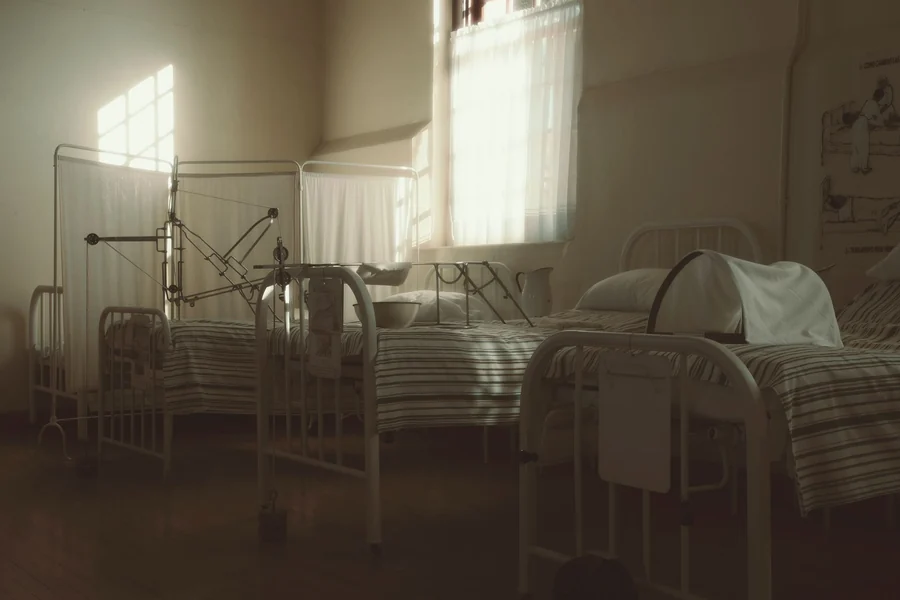
Keys, accommodation and unsupervised ward access no volunteer should have had.
Image source: licensed stock photo
Savile did not simply visit hospitals. At several of them he held an extraordinary degree of freedom that no volunteer should ever have been given. The NHS investigations describe a man with keys, accommodation on site and the ability to walk wards unsupervised, often at night, at institutions that included Stoke Mandeville, Leeds General Infirmary and the secure hospital at Broadmoor. Because he raised money for those same institutions, and because his celebrity brought attention and prestige, senior staff were reluctant to question him and more junior staff felt they could not. Patients who were children, or who were ill, vulnerable or detained, were among the people least able to be heard. Fundraising, fame and access combined into a shield.
How the Truth Finally Came Out

ITV’s Exposure documentary aired on 3 October 2012.
Image source: licensed stock photo
There were rumours for decades, and some people did try to report him, but nothing was ever brought to court while he was alive. After his death in 2011, the BBC’s Newsnight programme investigated allegations against him and then dropped the report in December of that year — a decision that later became a scandal in its own right. The breakthrough came from ITV. On 3 October 2012 it broadcast Exposure: The Other Side of Jimmy Savile, in which women described being abused by him as underage girls, including at Stoke Mandeville Hospital and BBC Television Centre. Once those accounts were public, hundreds more people found the courage to come forward, and within days the Metropolitan Police had opened a formal investigation.
What Operation Yewtree Found
Operation Yewtree recorded 214 offences across 28 police force areas.
Image source: licensed stock photo
The police investigation was named Operation Yewtree, and in January 2013 the Metropolitan Police and the NSPCC published a joint report, Giving Victims a Voice. Its findings established the scale of what had happened for the first time.
| People who came forward | 450 |
| Children at the time of the abuse | 328 |
| Victims aged under 18 | 73% |
| Criminal offences recorded | 214 |
| Police force areas involved | 28 |
| Period covered | 1955 to 2009 |
| Settings | Hospitals, schools, BBC premises and a prison |
Because Savile had died, none of these allegations could be tested at trial. The report nonetheless concluded that the accounts were consistent and credible, and that victims had been failed.
What the NHS Investigations Found
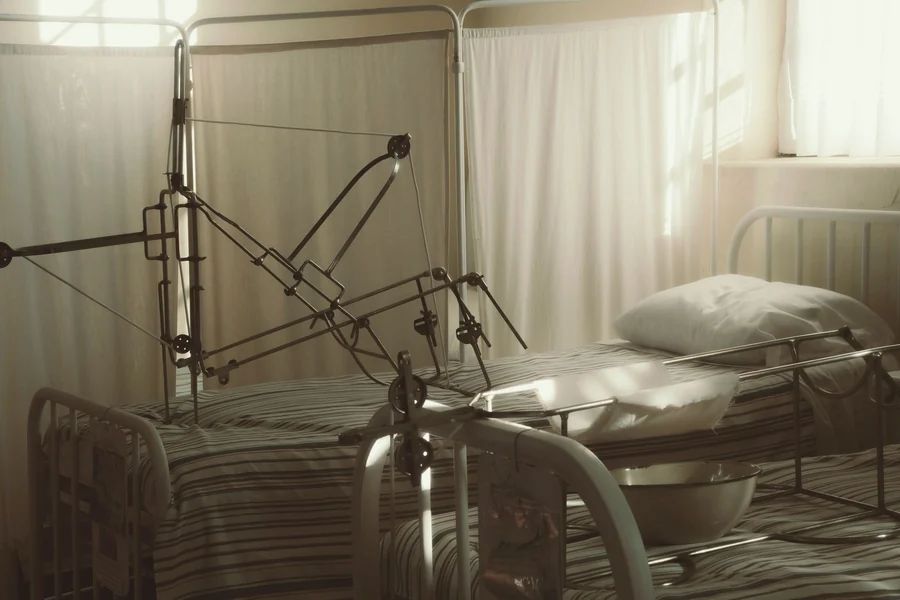
NHS investigations covered 41 hospitals, including two children’s hospitals.
Image source: licensed stock photo
The health service ran its own investigations, and they were among the most disturbing documents of the whole case. The report into Leeds General Infirmary, published in June 2014, found that around 60 people had reported abuse there, ranging in age from five to 75, over a period of 47 years. A similar number of victims was identified at Stoke Mandeville. In February 2015 Kate Lampard and Ed Marsden drew together the lessons from investigations across 41 hospitals — including five secure or mental health hospitals and two children’s hospitals — plus a children’s convalescent home, an ambulance service and a hospice. Their conclusion was blunt: Savile had exploited weak safeguards, and hospitals had given a celebrity volunteer privileges that bypassed every normal check.
What the BBC Review Found

The Dame Janet Smith Review described a culture of fear at the BBC.
Image source: licensed stock photo
The BBC commissioned a former Court of Appeal judge, Dame Janet Smith, to examine what happened within the corporation. Her review was published on 25 February 2016. It found that Savile had sexually abused 72 people in connection with his BBC work, including eight rapes, and that the youngest victim was eight years old. Dame Janet described a “culture of fear” in which staff felt unable to challenge on-air stars or to escalate concerns to senior managers. She found that some junior staff had heard rumours or been told of incidents, but did not conclude that the BBC as a corporate body had known. The central finding was about culture: people saw things, and the organisation made it too hard to say so.
Why It Was Missed for So Long

Complaints existed, but nobody connected them across institutions.
Image source: licensed stock photo
Read the reports side by side and the same failures repeat. Celebrity and charitable giving made people reluctant to believe anything bad about him, and made those who raised concerns seem disloyal. He was given access, keys and freedom that no ordinary visitor or volunteer would have been granted. Hierarchies and a culture of fear stopped junior staff from speaking up. Individual complaints existed, but nobody connected them across different hospitals, police forces or departments, so each looked isolated. And, above all, the people he targeted — children, patients, people in secure care — were those least likely to be believed. None of those weaknesses was unique to one institution, which is precisely why the case forced changes far beyond the BBC and the NHS.
What Changed — and What to Watch For Now

Safeguarding works only when people can speak and are believed.
Image source: licensed stock photo
The case reshaped safeguarding across the country. Hospitals tightened how volunteers are checked, supervised and restricted, so that nobody — however famous or generous — has unsupervised access to patients. The BBC overhauled its whistleblowing processes. Police changed how they handle reports of historical abuse, putting far more weight on listening to victims and on linking allegations across forces. The wider reckoning also fed into the national Independent Inquiry into Child Sexual Abuse. For anyone who runs a school, club, charity or volunteer team, the practical lessons are straightforward: no special privileges for high-profile people, no unsupervised access to children or vulnerable adults, clear routes for raising concerns, and a working assumption that a report should be taken seriously rather than explained away.
Final Thoughts
Jimmy Savile was never charged while he lived, and he died a knight. The official investigations that followed found that 450 people came forward, that most were children, and that hospitals, the BBC and others had given a famous fundraiser the access and deference that let him offend for decades. The most important thing to take from the case is not about him at all. It is that abuse is hidden by trust, status and silence — and that safeguarding only works when people feel able to speak and are believed when they do.
Frequently Asked Questions
Who was Jimmy Savile?
A BBC radio and television presenter, knighted in 1990, who after his death in 2011 was found to have sexually abused hundreds of people, mostly children.
Was Jimmy Savile ever charged?
No. He died in October 2011, before the allegations became widely public, so none could be tested in court. Official investigations later found the accounts credible.
What was Operation Yewtree?
The Metropolitan Police investigation launched in October 2012 into allegations against Savile. Its 2013 report recorded 214 offences across 28 police force areas.
How many victims did Jimmy Savile have?
The 2013 Met Police and NSPCC report said 450 people came forward, 328 of them children at the time. Later NHS and BBC reviews identified further victims.
What did the Dame Janet Smith Review find?
Published in February 2016, it found Savile abused 72 people linked to his BBC work, including eight rapes, and described a culture of fear among staff.
Where can I get support?
Call the NSPCC Helpline on 0808 800 5000, Childline on 0800 1111, or NAPAC on 0808 801 0331. In an emergency, always call 999.
Note: This article is based on published official reports, including Giving Victims a Voice (Metropolitan Police and NSPCC, 2013), the NHS investigation reports (2014–2015) and the Dame Janet Smith Review (2016). It contains no graphic detail. Images are illustrative stock photography and do not depict any person or location connected with the case. If you have been affected, the NSPCC, Childline and NAPAC can help.