
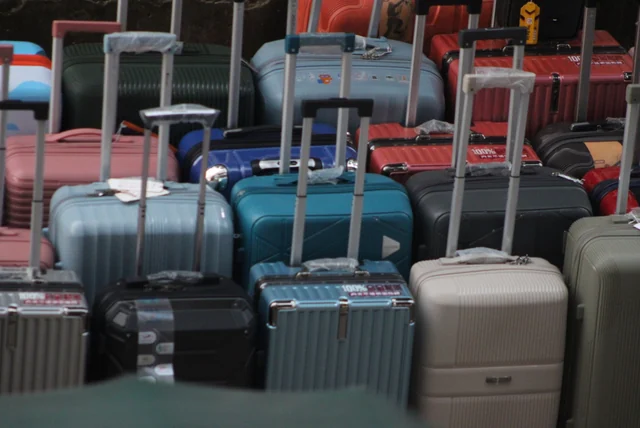
You know the moment. You are at the gate, boarding has started, and a member of staff is walking down the queue with that metal sizing frame. Everyone suddenly stares at their own bag, quietly calculating. It is the least relaxing part of any holiday, and it is exactly why this Princess Traveller suitcase review starts with numbers rather than colours. The brand is genuinely good value — but the size printed on the label is not the size your airline measures, and in 2026 that difference can cost you money at every gate.
Princess Traveller: The Facts
| Brand | Princess Traveller |
| Country | Netherlands |
| Founded | 2011 |
| Founders | Siblings Tim and Florentine Ouborg |
| Sold in | More than 30 countries |
| Sizes | Small 20 inch, medium 24 inch, large 28 inch |
| Known for | Lightweight hard shells, bright colours, personalisation |
| Positioning | Affordable alternative to premium luggage brands |
Who Princess Traveller Actually Are
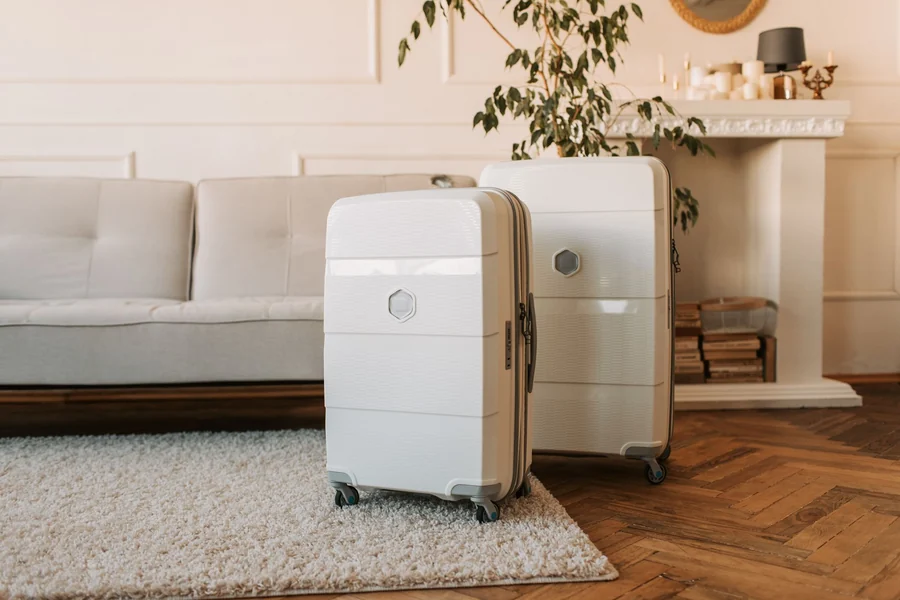
A Dutch brand founded in 2011, now selling in more than 30 countries.
Image source: licensed stock photo
This is not a nameless label invented by a marketplace algorithm, which is worth saying because so many suitcase brands now are. Princess Traveller is a Dutch company founded in 2011 by a brother and sister, Tim and Florentine Ouborg, and it has since grown into a business selling in more than thirty countries. The whole idea was fairly simple: make luggage that looks and feels like the expensive stuff but does not cost the same, and focus on the two things travellers actually complain about, which are weight and things breaking. Fifteen years in, that positioning has not really changed. You are buying a mid-market case from a real company with a real history, rather than a mystery box with a nice product photo.
What You Get for the Money
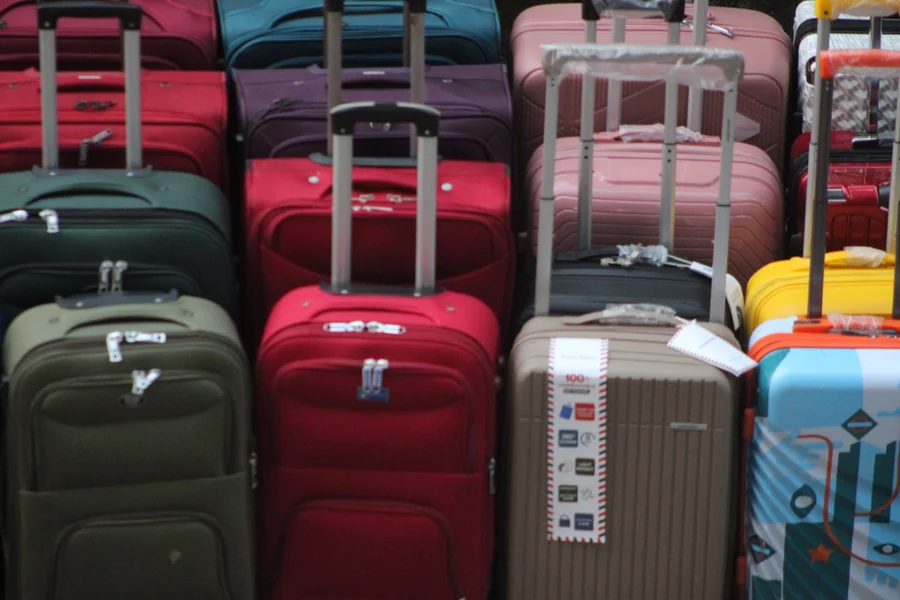
Bright shells and printed names make a case easy to spot on a carousel.
Image source: licensed stock photo
The appeal here is straightforward value. You get a hard shell that is genuinely light for its size, which matters far more than people expect, because every kilo the case weighs is a kilo of your allowance you cannot fill with clothes. You get four spinner wheels, a telescopic handle and the sort of finish that looks considerably more expensive than the receipt suggests. The signature feature, and the reason the brand gets talked about at all, is personalisation — having your name or initials printed on the shell. That sounds like a gimmick until you stand at a carousel in Alicante watching forty identical black cases go past and yours is the one you can see from ten metres away.
The Three Sizes, Translated Into Centimetres
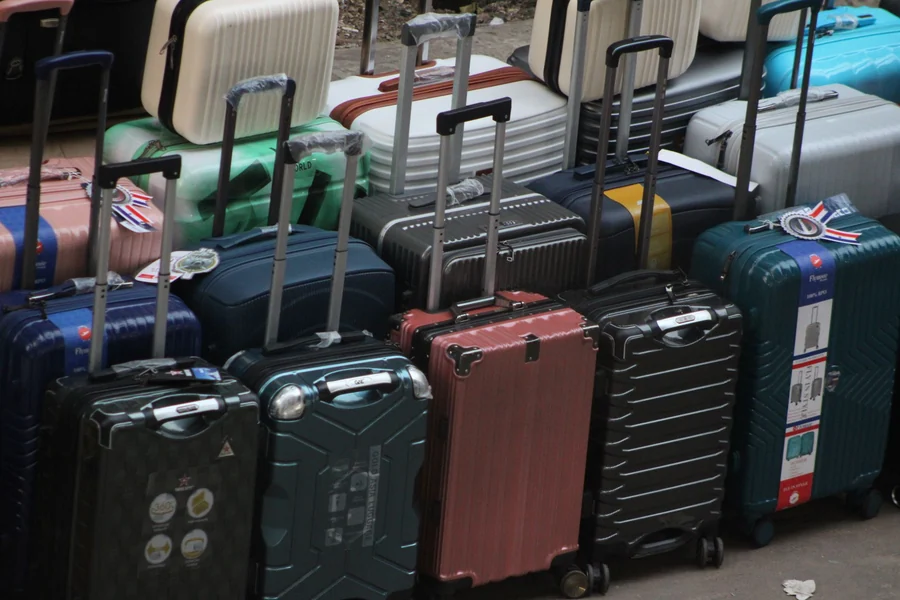
Three sizes: 20 inch, 24 inch and 28 inch – but measure them in centimetres.
Image source: licensed stock photo
Here is where British buyers get caught out, because the brand sells in inches and every airline in Europe measures in centimetres. A 20-inch case is not 20 inches on the outside once you add the wheels and the handle housing, and it is those outer measurements the sizing frame at the gate is checking.
| Marketed size | Rough overall size with wheels | Realistically for |
|---|---|---|
| 20 inch (small) | About 55 x 40 x 20–23cm | Cabin — but see the airline table below |
| 24 inch (medium) | About 65 x 45 x 26cm | Hold luggage, one to two weeks |
| 28 inch (large) | About 76 x 50 x 30cm | Hold luggage, long trips or families |
The Cabin Size Trap: 2026 UK Airline Rules
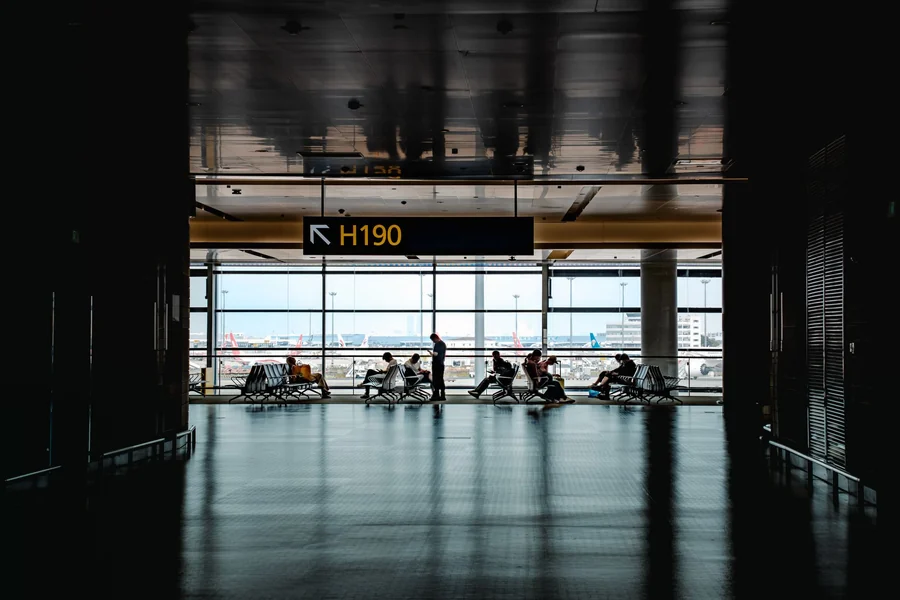
The sizing frame at the gate measures wheels and handles too.
Image source: licensed stock photo
This is the section nobody else writes, and it is the one that will save you money. There is now an EU baseline requiring airlines flying to the EU, and European airlines flying from it, to allow every passenger a free cabin bag of at least 40 x 30 x 15cm. That is a handbag or a laptop bag. It is not a suitcase.
| Airline | Free allowance | Does a 20in case fit free? |
|---|---|---|
| Ryanair | 40 x 30 x 20cm under the seat | No — paid item |
| easyJet | 45 x 36 x 20cm under the seat, up to 15kg | No — the 56 x 45 x 25cm overhead bag costs extra |
| Wizz Air | 40 x 30 x 20cm, max 10kg | No — needs WIZZ Priority for 55 x 40 x 23cm |
| British Airways | 40 x 30 x 15cm plus 56 x 45 x 25cm cabin bag, 23kg combined | Yes |
| Jet2 | 56 x 45 x 25cm cabin bag included | Yes |
So the 20-inch case is a proper cabin bag on British Airways and Jet2, and a paid extra on Ryanair, easyJet and standard Wizz fares. Know which airlines you actually fly before you choose a size, and if you are still deciding where to fly from, our London airport comparison is worth a read first.
How It Handles Real Travel
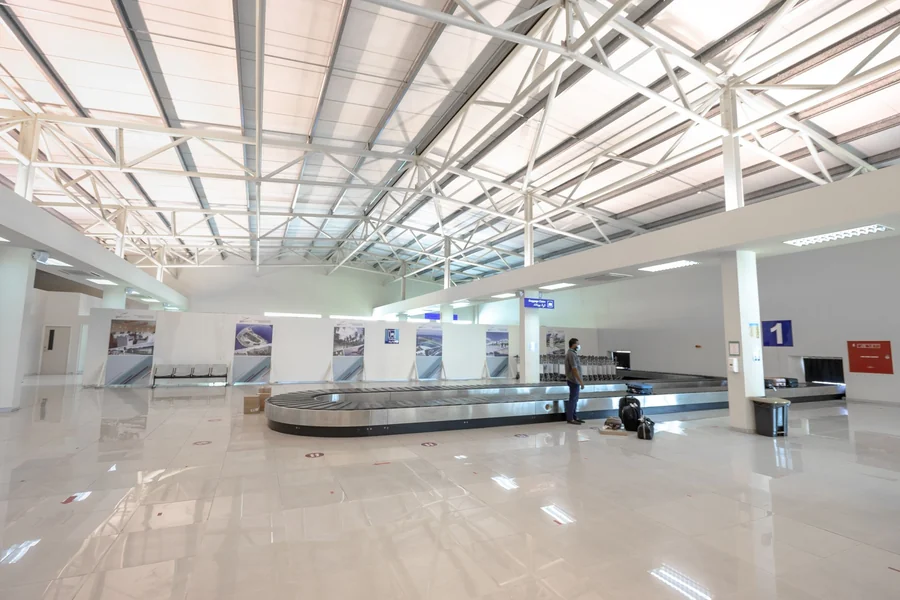
Wheels, handle and shell: the three things that decide how long a case lasts.
Image source: licensed stock photo
A suitcase only reveals itself when you are tired. The things that matter at eleven o’clock at night on a cracked pavement outside a Spanish apartment are the wheels, the handle and whether the shell has cracked. Hard shells in this price bracket generally cope well with airline handling but will pick up scuffs and small scratches, which is normal and not a fault — a bright colour or a printed name hides that far better than gloss black does. Spinner wheels are wonderful on airport flooring and considerably less wonderful on cobbles, where you will end up tilting the case and pulling it on two wheels anyway. Pack it to the weight limit rather than the space limit, because a full hard case is heavier than people expect — something worth remembering if you are following our Europe travel guide across several countries in one trip.
Buying One in the UK
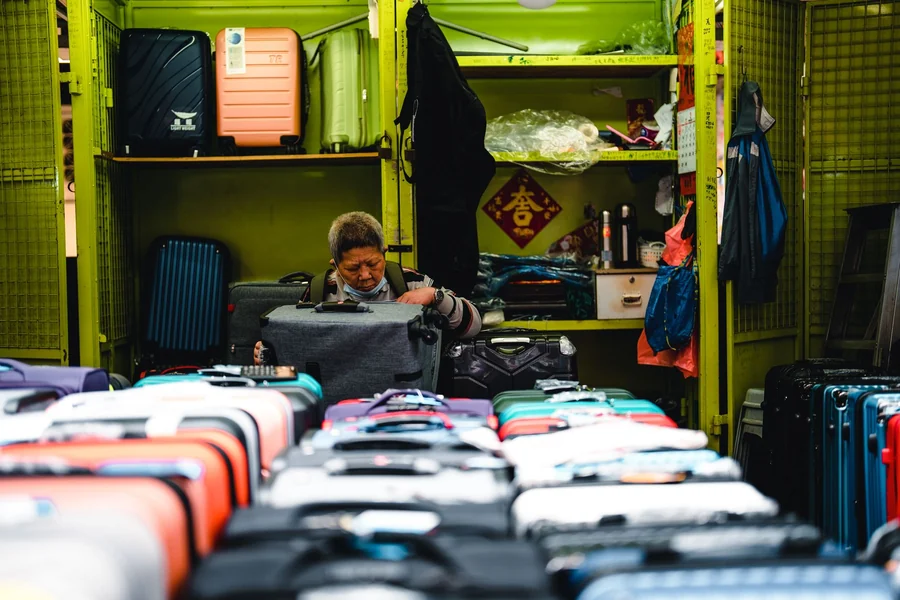
Personalised cases are usually non-returnable, so order early and measure twice.
Image source: licensed stock photo
Princess Traveller is a European brand rather than a British high street fixture, so you will usually be buying online rather than picking one up in a department store. That has two practical consequences worth thinking about. First, check the delivery and returns terms before you order, particularly if you want personalisation, because printed cases are generally not returnable — that is true of custom products everywhere, not a quirk of this brand. Second, order well before your trip. Personalised luggage takes longer to arrive than stock items, and there is nothing more stressful than tracking a suitcase that is racing your own departure date. If you are planning a run of trips to the best places in Europe on a budget, order in the quiet season rather than in June.
Who It Suits, and Who Should Look Elsewhere
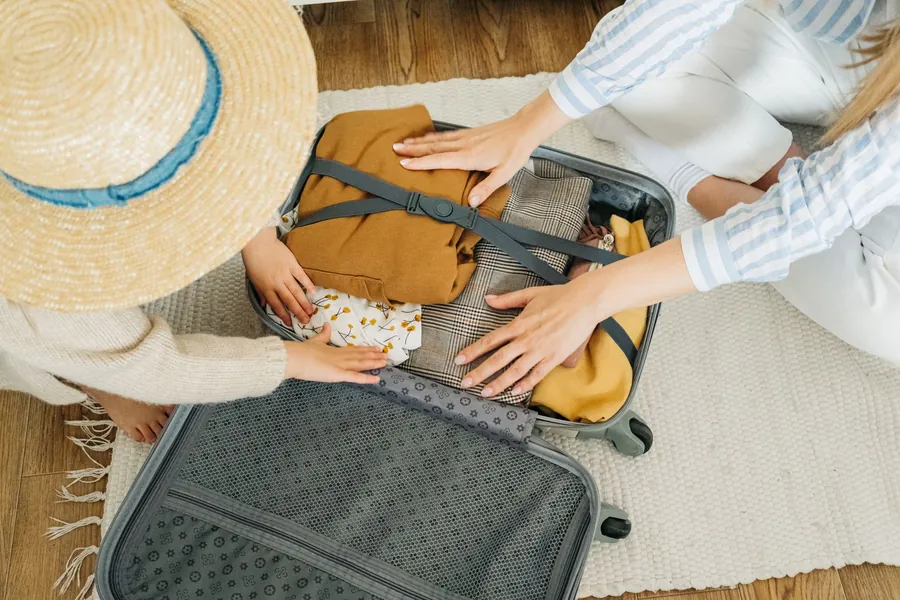
Personalising each case ends the argument about whose bag is whose.
Image source: licensed stock photo
Buy it if you want a good-looking, lightweight hard case at a sensible price, if you like the idea of spotting your bag instantly on a carousel, and if you mostly fly with airlines where a cabin case is included. It is a strong choice for families too, since personalising each case ends the eternal argument about whose bag is whose. Look elsewhere if you fly Ryanair or basic easyJet fares every few weeks, because you would be better served by a bag that fits the free underseat allowance than by a cabin case you keep paying for. Frequent business travellers who wheel a case daily may also want to step up to a brand with a longer warranty and easily replaceable wheels.
Making It Last
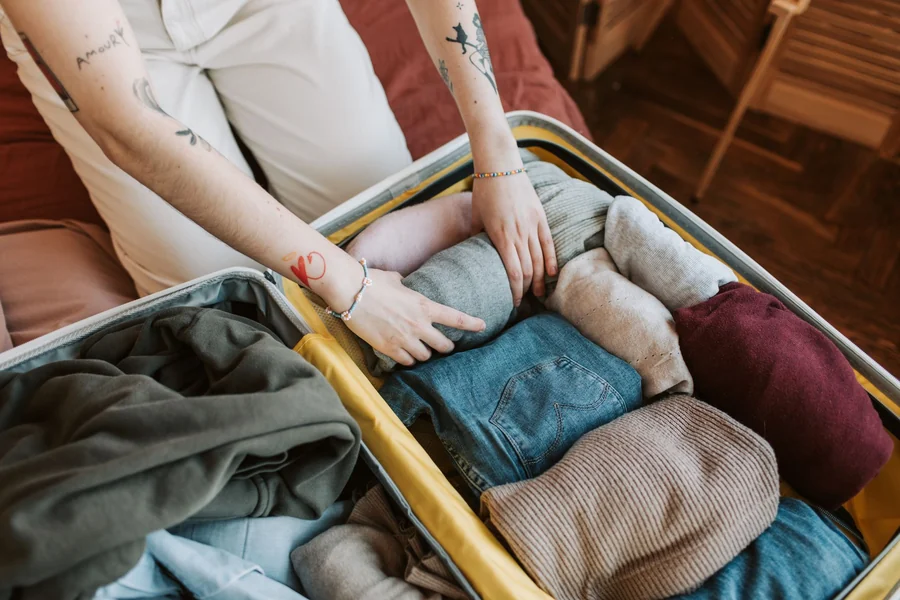
Do not force the zip: split seams are the most common avoidable failure.
Image source: licensed stock photo
Luggage usually dies from small, avoidable things rather than dramatic ones. Wipe the shell down when you get home, because sun cream and airport grime are surprisingly good at staining plastic permanently. Do not overpack to the point where you are forcing the zip, since that is what splits seams and bends zip teeth. Store it somewhere dry with the lid slightly open so it does not develop that shut-away smell. Check the wheels every few trips for hair and grit wound around the axles, which is the single most common cause of a case that suddenly drags to one side. And keep the receipt and any warranty paperwork, because most manufacturing faults show up in the first year, not the fifth.
Final Thoughts
The verdict in this Princess Traveller suitcase review is a warm yes with one condition. You are getting a light, well-made, genuinely cheerful hard case from a real Dutch brand, and personalisation turns luggage collection from a squint into a glance. Just buy the size that matches the airlines you actually fly, not the size that sounds like cabin luggage. Measure before you order, check the wheels before you travel, and enjoy being the person at the carousel who is not still waiting.
Frequently Asked Questions
Is Princess Traveller a good suitcase brand?
Yes, for the money. It is an established Dutch brand founded in 2011, selling in over 30 countries, known for lightweight hard shells and personalisation.
Does the 20 inch case count as hand luggage?
On British Airways and Jet2, yes. On Ryanair, easyJet and standard Wizz Air fares it exceeds the free underseat allowance and becomes a paid item.
What size suitcase fits free hand luggage rules?
Roughly 40 x 30 x 20cm covers most free underseat allowances. EasyJet is the most generous at 45 x 36 x 20cm, up to 15kg.
Where is Princess Traveller made?
It is a Dutch brand, founded in the Netherlands in 2011 by siblings Tim and Florentine Ouborg, and its products are sold internationally.
Can you return a personalised suitcase?
Usually not. Custom-printed items are generally excluded from standard returns, so check the seller’s terms carefully before ordering personalisation.
Which size should I buy for a two-week holiday?
The 24 inch medium is the practical choice for one to two weeks. The 28 inch is for long trips or shared family packing, and gets heavy quickly.
Disclaimer: Airline baggage policies, prices and product specifications change regularly. The cabin bag allowances quoted were correct at the time of writing — always check your airline’s current rules before you fly. Suitcase dimensions are approximate and vary slightly by model.