Your scalp is facial skin. Not “like” facial skin — the same structure: epidermis, dermis, sebaceous glands, its own microbiome and a preferred pH of about 4.5 to 5.5. It also has the highest density of oil glands anywhere on your body, and then we cover it in hair and largely forget it exists.
A scalp care routine is what happens when you treat that skin the way you treat your face: cleanse it properly, exfoliate occasionally, treat it for its actual condition, and stop using products designed for the wrong problem.
First, Work Out What Kind of Scalp You Have
Almost every wasted product in this category comes from treating the wrong condition — and the single most common mistake is confusing a dry scalp with dandruff. They are opposites.
| Scalp type | How you know | Wash | Exfoliate | Look for |
|---|---|---|---|---|
| Oily / congested | Greasy within a day, flat roots, spots along the hairline | Daily to every other day | 1–2× weekly | Salicylic acid, charcoal, panthenol with oil-control complexes |
| Dry / tight | Small white flakes, tightness, itch, no greasiness | Every 3–4 days | Fortnightly at most, chemical only | Hyaluronic acid, niacinamide, squalane, gentle toners |
| Flaky and oily (dandruff / seborrhoeic dermatitis) | Larger yellowish flakes, greasy scalp, redness | More often, not less | Weekly, via medicated shampoo | Ketoconazole, zinc pyrithione, selenium sulphide, piroctone olamine |
| Sensitive / reactive | Stings with new products, redness, itch after washing | Every 2–3 days | Rarely, gently | Fragrance-free, colour-free, pH-balanced formulas |
| Normal | Comfortable, no flakes, hair greasy on day three | Every 2–3 days | Weekly | Maintenance: massage, occasional clarifying wash |
The distinction that matters: flakes with tightness and no oil mean dehydration — that scalp needs moisture. Flakes with oil and redness mean an overgrowth of Malassezia yeast — that scalp needs an antifungal. Using a rich oil treatment on the second one feeds the very thing causing the problem.
The Counter-Intuitive Bit: Wash More
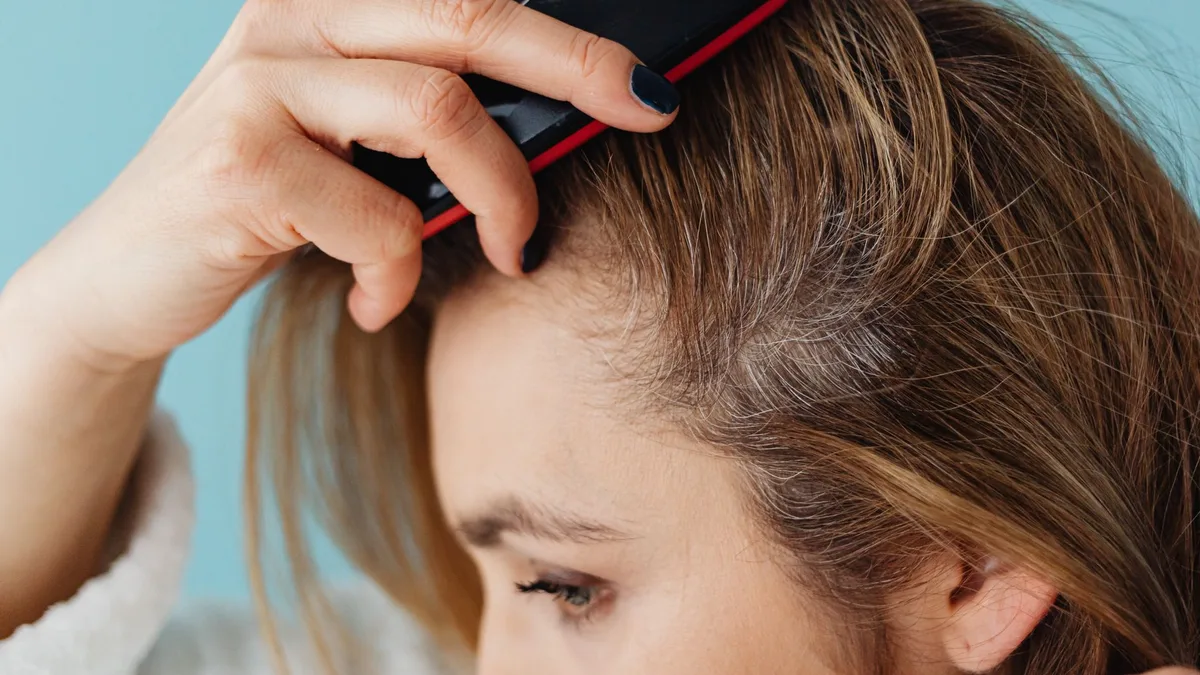
Trichologists are blunt about this. Yeasts thrive in an oily environment and overgrow when you shampoo infrequently — so for most people with an itchy, flaky scalp, the fix is more washing, not less. The standard professional advice is no more than two days between washes.
For everyone else, every two to three days is the sweet spot: often enough to clear sebum and buildup before it congests follicles, rarely enough that you are not stripping the barrier. Wash daily if you exercise hard or work in a hot kitchen; stretch to weekly only if your scalp is genuinely dry and your hair coily.
The Routine
1. Cleanse the scalp, not the hair
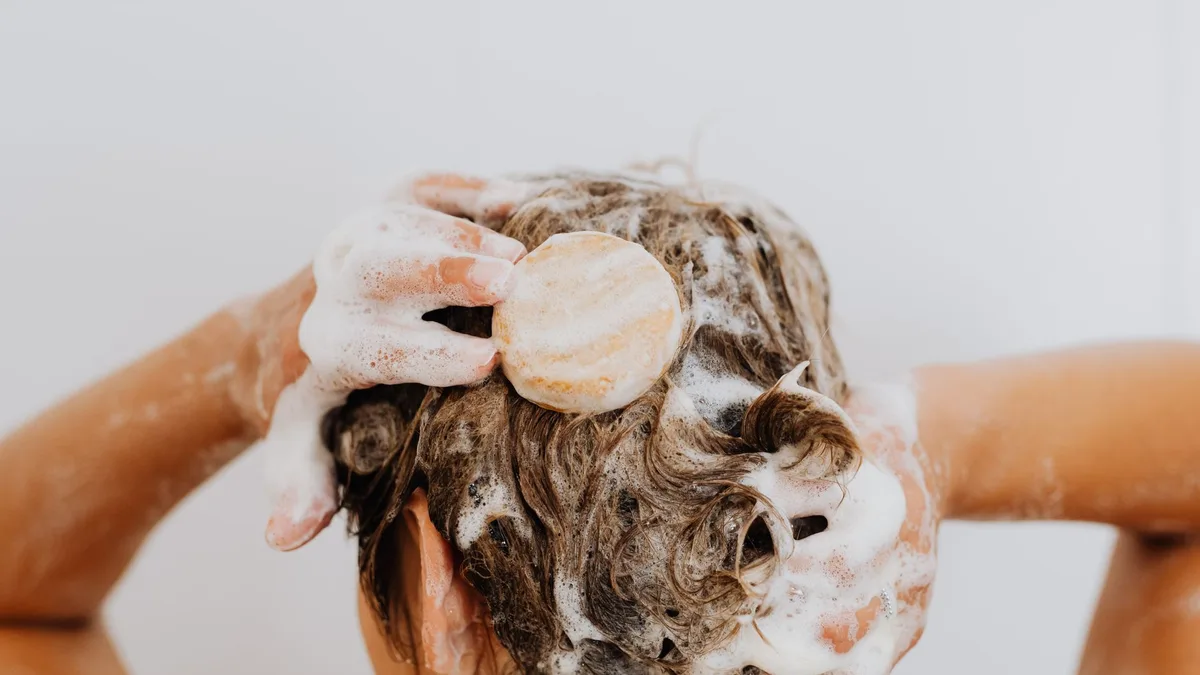
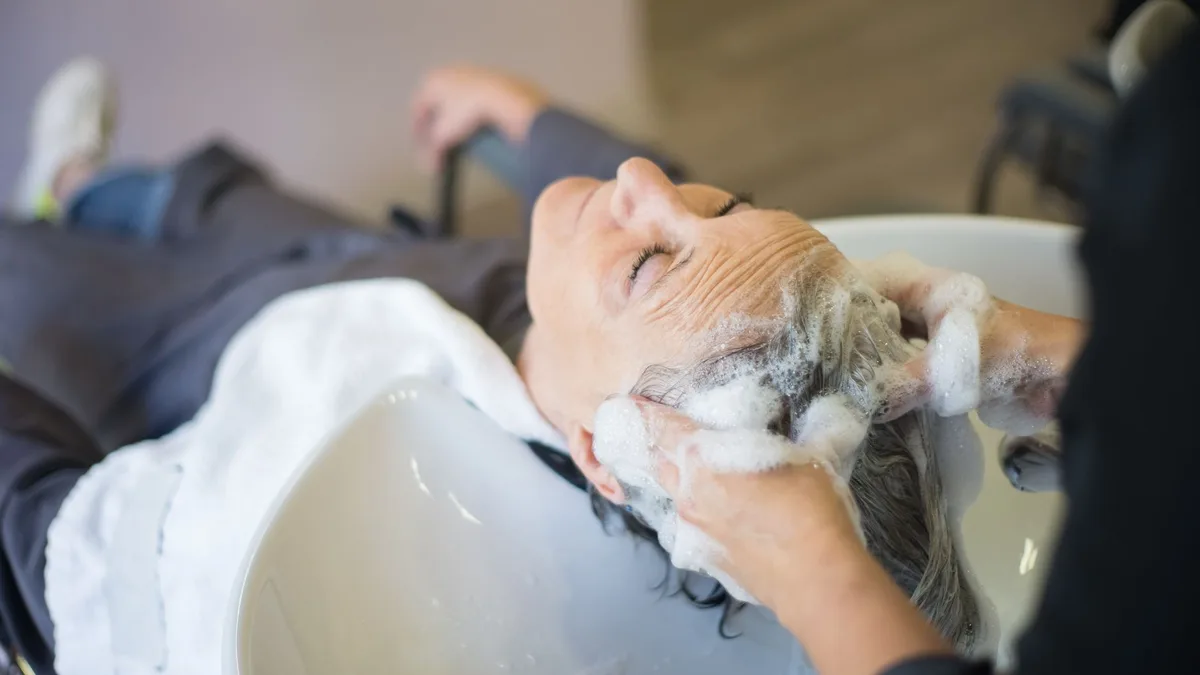
- Shampoo goes on the scalp; the lather rinsing down cleans the lengths.
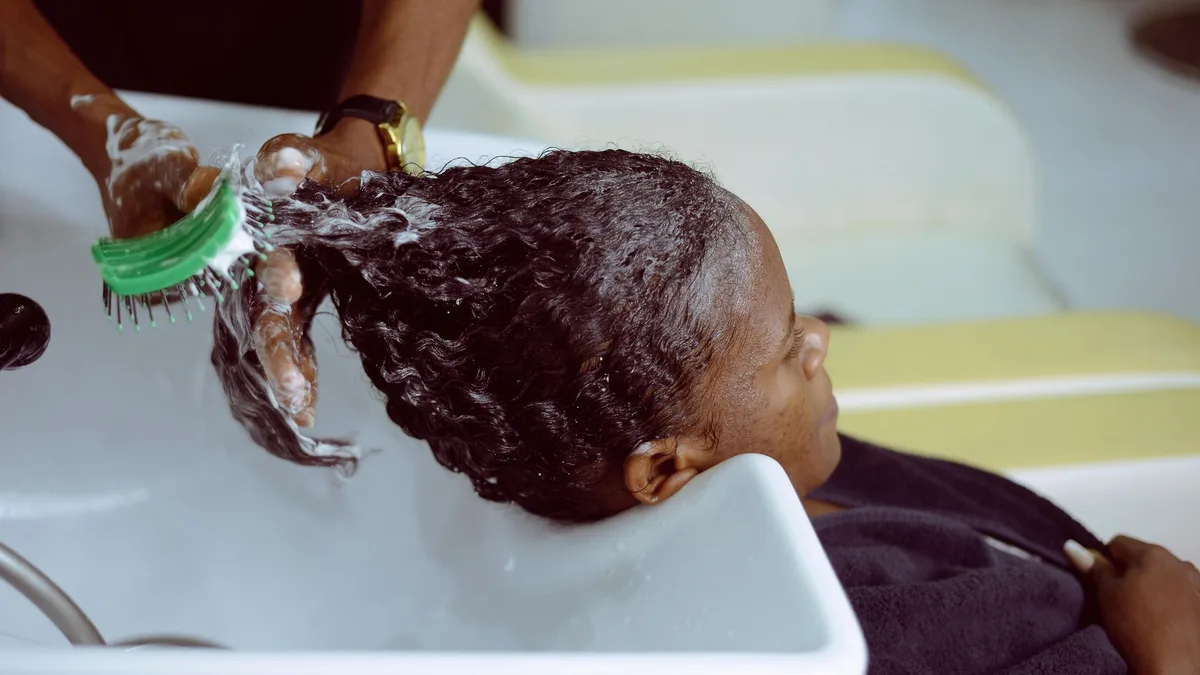
- Fingertips, never nails, in circular motions for three to five minutes — which is far longer than most people spend, and doubles as the massage step.
- A silicone scalp brush — around £4 — makes this easier and genuinely improves the clean.
- Double-cleanse on wash day if you use a lot of product: a first quick shampoo to break the buildup, a second to actually clean.
- Lukewarm water. Hot water strips the barrier and stimulates oil production.
2. Exfoliate weekly (if your scalp wants it)
- Chemical — salicylic acid or a glycolic scalp scrub, left on for five to ten minutes. Better for most people, and far better for sensitive scalps.
- Physical — salt or sugar scrubs and silicone massagers. Satisfying, but over-scrubbing irritates delicate skin and brushes can pull hair.
- Frequency: weekly as standard, twice for very oily scalps, fortnightly or not at all if dry, reactive or psoriasis-prone.
- Never exfoliate an inflamed scalp. Psoriasis, seborrhoeic dermatitis in flare and open scratches all need treating, not scrubbing.
3. Treat with a serum
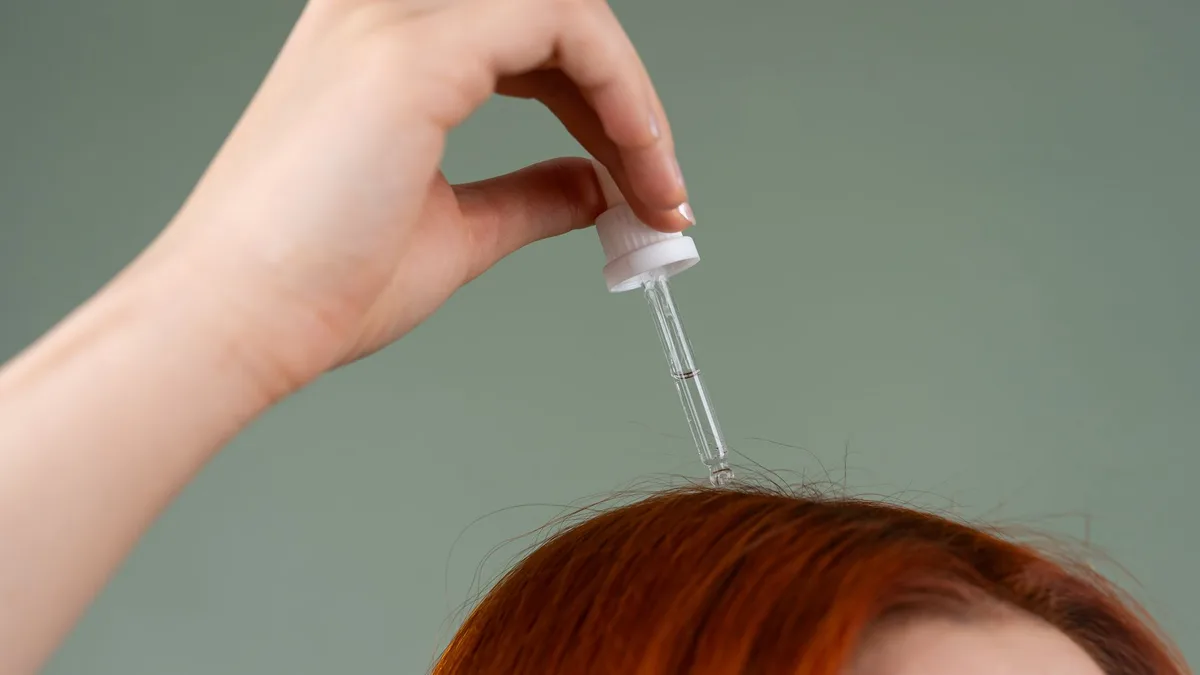
- Apply to a towel-dried or dry scalp, two to three drops per section, and massage in. It stays on.
- The professional trick: apply in the evening before a wash day and leave it overnight, so anything greasy is washed out in the morning.
- Oily scalps: niacinamide, panthenol, salicylic acid, zinc.
- Dry scalps: hyaluronic acid, vitamin B3, squalane, aloe.
- Density concerns: peptides, caffeine, biotin — with realistic expectations and consistency measured in months.
4. Massage — the free one that actually works
Published work found that four minutes of daily scalp massage over 24 weeks measurably increased hair thickness. No product, no cost, and the most evidence-backed step in this entire article.
Use all ten fingertips, medium pressure, circular movements, working over the temples, crown and anywhere feeling thin. Do it in the shower while your shampoo works, or in front of the television.
5. Protect
- SPF on your parting in summer — it burns, and few people ever think of it.
- Silk or satin pillowcase to cut friction.
- Do not go to bed with a wet scalp; a damp scalp for eight hours is exactly the environment yeasts want.
- Clarify or chelate every few weeks, especially in hard-water areas, to clear mineral and product buildup.
Dandruff and Seborrhoeic Dermatitis
If your flakes are yellowish and greasy and your scalp is red and itchy, this is a fungal-inflammatory condition rather than dryness — and it responds well to the right actives.
- Ketoconazole 1–2% — antifungal; directly reduces the yeast responsible.
- Zinc pyrithione 1% — rebalances the microbiome and soothes.
- Selenium sulphide 1% — slows the excessive skin-cell turnover and cuts oil.
- Piroctone olamine — the gentler option, common in UK trichology brands and well tolerated.
Method: two or three times a week, alternating with a fragrance-free pH-balanced shampoo so the barrier recovers. Apply to a damp scalp, massage gently, leave on three to five minutes, rinse lukewarm, and keep conditioner on the lengths only. During a flare, go every other day for a week or two.
See a GP or dermatologist if there is no improvement after four to six weeks, redness spreads to your face, ears or chest, you see thinning, or there is thick yellow crusting. Psoriasis and eczema look similar and need different treatment.
What to Buy in the UK
- £4 — a silicone scalp massage brush from Boots. The best value item in hair care, full stop.
- £8–£12 — a medicated shampoo with ketoconazole or zinc pyrithione from any chemist, used on rotation.
- £20–£25 — a treatment toner or peptide serum. Philip Kingsley’s flaky/itchy toner and The Ordinary’s multi-peptide density serum sit here.
- £28–£32 — the treatment tier: Living Proof’s dry scalp treatment, Moroccanoil’s pre-shampoo scalp treatment (argan, vitamin E and salicylic acid), OUAI’s detox shampoo for buildup.
- A weekly scrub — glycolic or salicylic based — used as a ten-minute pre-wash treatment.
- Skip anything heavily fragranced if your scalp is at all reactive.
How Long Before It Works

- Days: itching and flaking improve within a week or two of the correct active.
- 4–6 weeks: reduced shedding as follicles stop being congested.
- 8–12 weeks: visible improvement in density and root lift for people using serums and daily massage.
- Ongoing: this is maintenance, not a course of treatment — flaky scalps relapse if the medicated shampoo is dropped entirely.
Take a photo of your parting at week one. Scalp progress is even harder to judge from memory than hair progress.
Frequently Asked Questions
Is my scalp dry or is it dandruff?
Dry scalp: small white flakes, tight feeling, no oiliness, often worse in winter. Dandruff: larger yellowish flakes, greasy roots, redness, itching. They need opposite treatments, so getting this right saves months.
Can I use face products on my scalp?
The actives are often the same — salicylic acid, niacinamide, hyaluronic acid — but the formats are not. Face creams are too heavy and leave hair greasy. Buy scalp-specific serums and toners; they are formulated to sit under hair without weighing it down.
Does scalp care actually help hair grow?
It removes the obstacles rather than growing new hair. Congested follicles, chronic inflammation and untreated conditions all restrict what your hair can do — and a large share of people with thinning turn out to have an unaddressed scalp condition underneath. Massage has the best direct evidence.
How often should I use a scalp scrub?
Once a week for most people, twice if your scalp is very oily, fortnightly or less if it is dry or sensitive. If your scalp stings or reddens afterwards, you are over-doing it.
Do I still need conditioner?
Yes — on the mid-lengths and ends only. Conditioner at the roots is the single most common cause of flat, greasy hair and clogged follicles. If your lengths are dry, that is a job for a weekly hair mask.
The Bottom Line
Diagnose before you buy: oily, dry, flaky-and-greasy, sensitive or normal. Wash every two to three days with the shampoo on your scalp, massage for four minutes a day, exfoliate weekly if your scalp tolerates it, treat with a serum matched to the actual problem, and rotate a medicated shampoo if you have dandruff.
Healthy hair grows from healthy skin — the lengths you already have are handled by the routines in our curly hair products and anti frizz hair products guides, but everything new starts here.