If your skin gets shiny by lunchtime, your pores look congested, and you occasionally feel like you could wipe grease off your forehead, a clay mask might become your favourite ten minutes of the week. Clay masks are the deep-cleaning heroes of skincare, drawing oil and impurities out of the skin like a magnet. But not all clay is the same — bentonite, kaolin and charcoal have different strengths and suit different skin — and using too strong a clay too often is a classic way to over-dry your skin into producing even more oil. Getting it right is the focus here, within our guide to face masks for skin.
How Clay Masks Work
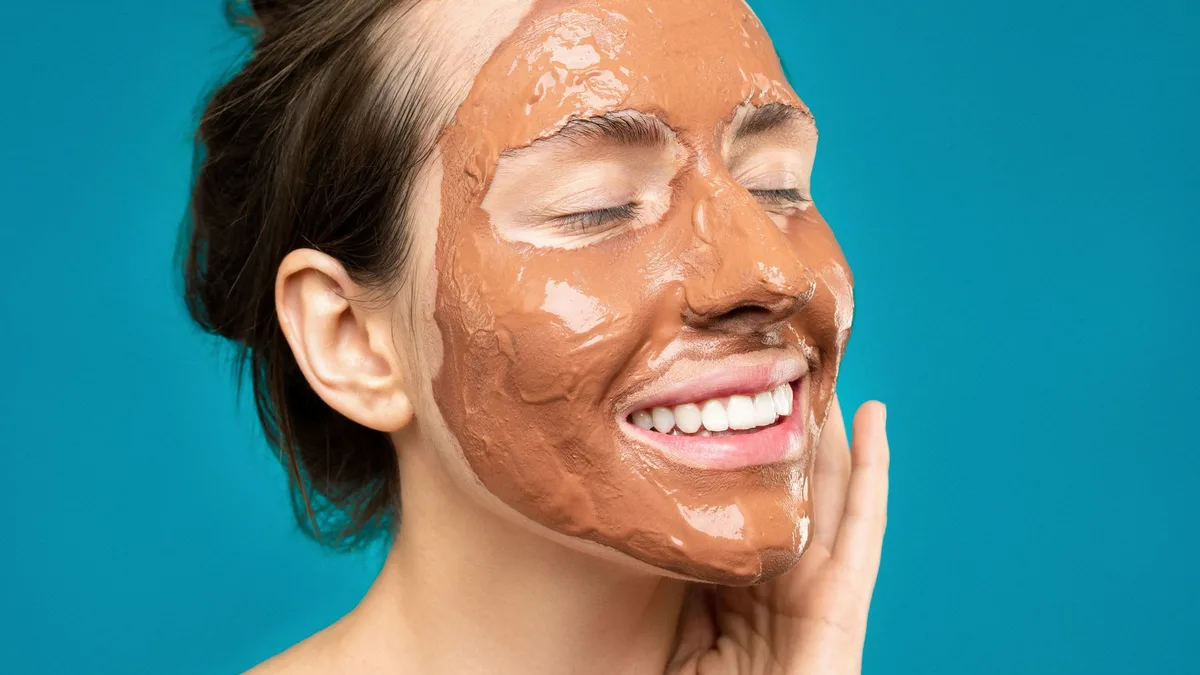
Clay masks work by absorption. As the clay dries on your skin, it draws out excess oil, dead skin cells and impurities from the pores, and gently exfoliates the surface. The result is skin that feels deeply clean, looks less shiny, and has clearer, less congested pores. This makes clay masks especially valuable for oily, combination and breakout-prone skin — but that same drawing power is why they can be too much for dry or sensitive skin, and why timing and frequency matter so much.
Bentonite vs Kaolin vs Charcoal
- Bentonite: the most absorbent and powerful, brilliant for very oily, congested skin — but the most drying, so use sparingly.
- Kaolin: the gentlest clay, mildly absorbent and suitable for most skin types, including more sensitive or combination skin.
- Charcoal: often combined with clays, it binds to impurities and is popular for drawing out congestion and blackheads.
Oily skin can handle stronger bentonite; drier or sensitive skin does far better with gentle kaolin, used less often.
The Biggest Mistake: Letting It Fully Dry
Here is the tip that changes everything: do not let a clay mask dry completely and crack. It feels like the cracking, tightening sensation means it is “working harder,” but once the clay is bone-dry it starts drawing moisture out of your skin, leaving it tight, irritated and over-dried. Instead, remove the mask while it is still slightly tacky and not fully set — usually around five to ten minutes, before it turns pale and cracks. This gives you all the oil-absorbing benefit without the barrier damage.
How Often and How to Use It
For most people, once or twice a week is plenty; oily skin can go a little more often, dry and sensitive skin less. Apply an even layer to cleansed skin, avoiding the delicate eye area, leave it until just before it fully dries, then remove with warm water and a soft cloth. Crucially, always follow with a moisturiser, because even a well-timed clay mask removes some moisture. You can also spot-treat, applying clay only to the oily T-zone rather than the whole face.
Clay Masks and Breakouts
Because they absorb oil and clear pores, clay masks are a useful ally for congested, breakout-prone skin — a gentle complement to the routine in our acne treatment skincare guide. But they are a supporting tool, not a cure, and over-using them to “dry out” acne backfires. If your skin feels tight and stripped after, you are doing too much, and a soothing follow-up is the answer.
The Takeaway
Clay masks deep-clean and de-grease oily, congested skin beautifully — as long as you pick the right clay and never let it fully dry and crack. Choose bentonite for very oily skin, gentle kaolin for the rest, remove it while still tacky, keep it to once or twice a week, and always moisturise after. Used with a light touch, a clay mask is the weekly reset oily skin loves.