
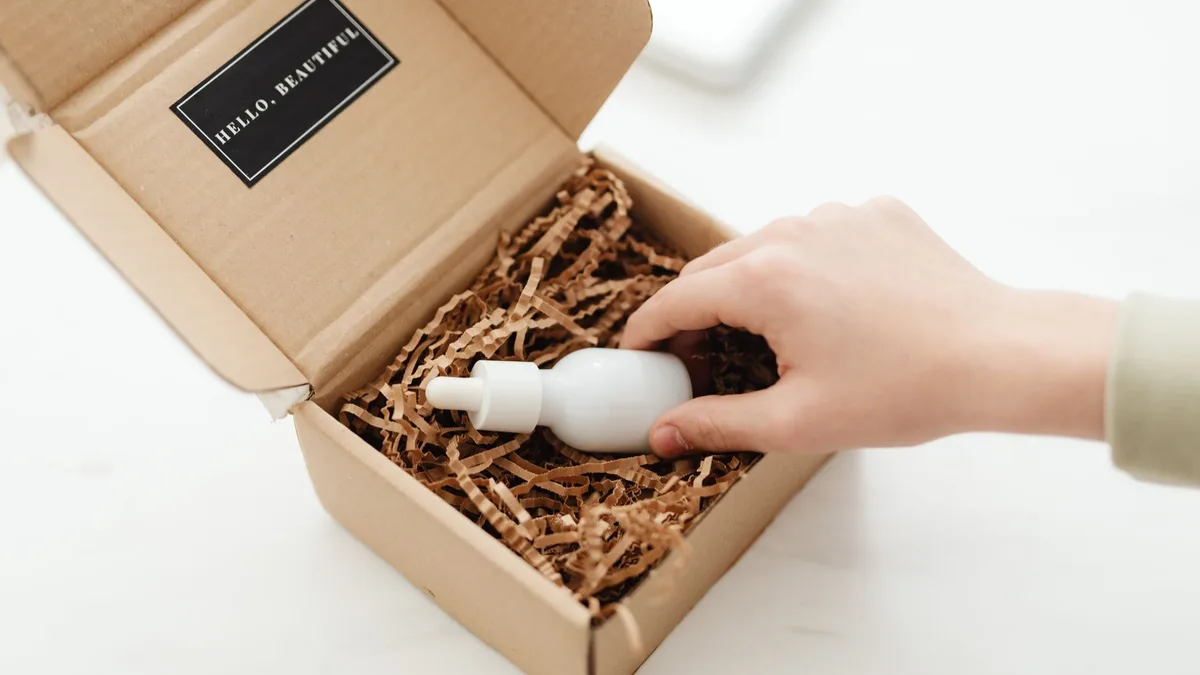
The beauty industry has a waste problem, and it is staggering: billions of units of packaging every year, much of it plastic, much of it hard to recycle, and a great deal of it ending up in landfill. As more of us want to make greener choices, “sustainable” and “eco-friendly” claims have flooded the beauty aisle — but, like “clean,” these terms are often loosely used, and some are more marketing than meaningful. Understanding what genuinely reduces impact, and spotting greenwashing, helps you shop in a way that actually helps. It is an important environmental thread in our guide to clean beauty products.
The Scale of the Problem
Beauty packaging is a genuine environmental issue. Much of it is mixed materials — plastic pumps, mirrors, magnets — that are difficult or impossible to recycle, and even recyclable packaging often is not recycled in practice. Single-use wipes, sachets and heavily over-packaged products add to the pile. So packaging is one of the most impactful areas where your choices as a shopper genuinely make a difference, more so than fretting over whether an ingredient is natural. This is where “sustainable” can be substance rather than spin.
What Actually Helps
- Refillable packaging: where you buy a refill pouch or pod for a durable outer container — one of the most genuinely impactful options, since it dramatically cuts packaging over time.
- Recycled and recyclable materials: packaging made from and easily recycled into new material, especially single-material designs.
- Less packaging overall: minimal, plastic-free or solid formats like bars, which remove packaging almost entirely.
- Take-back and recycling schemes: brands that take back empties and actually recycle them.
Spotting Greenwashing
Not every green claim is meaningful, and some are outright greenwashing — designed to make you feel good without real substance. Be wary of vague terms like “eco” or “green” with nothing to back them, packaging that looks natural (kraft paper, leaf imagery) but is not actually more sustainable, and “recyclable” claims for packaging that in reality cannot be recycled in most areas. A brand doing real work usually offers specifics: refill systems, take-back schemes, recycled content percentages. Vague virtue is a red flag; concrete detail is a good sign.
Simple Sustainable Habits
Beyond what you buy, how you use and dispose of products matters too. Choose refills where they exist, opt for solid bars and multi-use products, avoid single-use items like wipes in favour of reusable cloths, finish products before buying new ones, and recycle packaging properly — cleaning it first and checking what your local area accepts. Buying less and using it fully is, quietly, one of the most sustainable choices of all. Small, consistent habits add up more than any single “eco” purchase.
Sustainability and the Bigger Picture
Packaging is one part of a product’s footprint, alongside ingredients and manufacturing, but it is the part most visible and most within your control. Pairing sustainable packaging choices with buying thoughtfully — and avoiding the single-use habits we flag in our guide to makeup removers and wipes — makes a real, cumulative difference without requiring you to overhaul everything at once.
The Takeaway
Beauty’s packaging waste is a real problem, and sustainable choices here genuinely help — especially refillable packaging, recycled and single-material designs, and buying less overall. Watch out for greenwashing dressed up in leaf imagery and vague claims, and favour brands offering concrete detail like refills and take-back schemes. Thoughtful habits, more than any single “eco” label, are what make your beauty routine kinder to the planet.