
Maybe it arrived in your feed the way it arrives for millions of people: a striking portrait of a young woman, and a caption announcing that Guinness World Records had named her the darkest-skinned person on Earth. It gets shared, argued over and searched — which is why so many people type blackest person in the world into Google. Here is the honest answer. That record does not exist, and the woman in the photograph has called it misinformation. The real story, about what makes skin dark and why, is far more interesting.
The Claim vs the Facts
| What the viral posts say | What is actually true |
|---|---|
| Guinness named a “darkest person in the world” | Guinness says it does not monitor records for skin tone |
| The record belongs to model Nyakim Gatwech | Fact-checkers found no record; she called the claim misinformation |
| “Queen of the Dark” is an official title | It is a nickname from fans, which she embraced herself |
| Dark skin has more pigment cells | Everyone has roughly the same number of melanocytes |
| Skin colour reflects race | It mainly reflects the UV levels where your ancestors lived |
| Dark skin cannot burn or get skin cancer | It can, and cancers are often found later |
How a Fake Record Went Viral

Guinness World Records says it does not monitor records for skin tone.
Image source: licensed stock photo
The story travels because it has everything social media rewards: a beautiful photograph, a superlative and an official-sounding stamp of authority. But when fact-checkers including Africa Check, PesaCheck and FACTLY looked into it, the foundations fell away immediately. Searches of the Guinness World Records database found no such entry, under her name or under any phrase like “darkest person”. Guinness itself confirmed that it does not monitor records for skin tone at all — there is no category, and there never has been. The woman at the centre of the posts described the claim as misinformation. So the most accurate answer to the question is also the simplest: nobody holds this title, because it has never existed.
The Woman Behind the Photograph

“Queen of the Dark” is a nickname from fans, not an official title.
Image source: licensed stock photo
The model in most of those posts is Nyakim Gatwech, and her real story deserves more attention than the fake one. She was born in 1993 in Gambela, Ethiopia, to South Sudanese parents who had fled civil war, and her family lived in refugee camps in Kenya before moving to the United States when she was fourteen, settling first in Buffalo and then Minneapolis. She was studying nursing at St Cloud State University when a campus fashion show started her modelling career. Fans began calling her the “Queen of the Dark”, and rather than reject it she adopted the name with pride. She has spoken openly about pressure to lighten her skin, refused it, and used her large following to challenge colourism.
What Actually Makes Skin Dark

Everyone has roughly the same number of pigment cells.
Image source: licensed stock photo
Here is the fact that surprises almost everyone. People with the palest and the darkest skin have roughly the same number of melanocytes, the cells that produce pigment. The difference lies in what those cells make and how they package it. Melanin comes in two main forms: eumelanin, which is brown to black, and pheomelanin, which is red to yellow. Very dark skin produces far more eumelanin, stored in larger and more numerous parcels called melanosomes, spread evenly through the skin. In 2017 a major study published in Science found that lower activity of a gene called MFSD12 is linked to more eumelanin. Skin colour is controlled by many genes working together, not a single switch.
Why Dark Skin Evolved
Dark skin evolved to protect folate from intense ultraviolet light.
Image source: licensed stock photo
Dark skin is not a random variation; it is one of the clearest examples of evolution solving a problem. The anthropologists Nina Jablonski and George Chaplin set out what is known as the vitamin D and folate hypothesis. Near the equator, intense ultraviolet light breaks down folate, a vitamin essential for healthy pregnancy and development, so eumelanin-rich skin acts as a natural sunscreen that protects it. Further from the equator, where UV light is weak, the body needs sunlight to make vitamin D, so lighter skin became an advantage. Human skin colour therefore follows a map of ancestral sunlight. It tells you far more about where someone’s ancestors lived than about any idea of race.
Where the Darkest Skin Is Actually Found
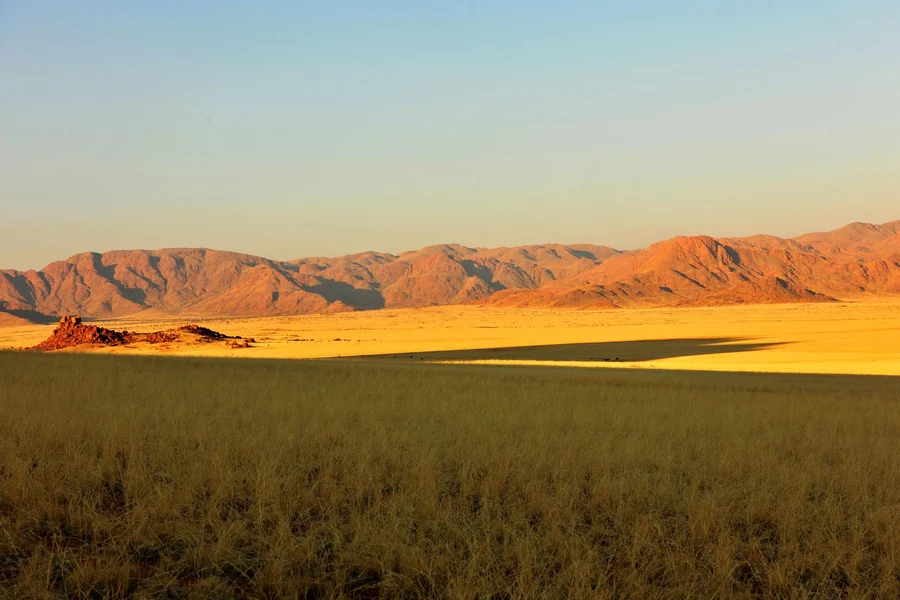
The darkest measured skin was among pastoralist communities in eastern Africa.
Image source: licensed stock photo
If you want a genuinely scientific answer, it comes from research rather than viral posts. In the 2017 Science study led by geneticist Sarah Tishkoff, researchers used a colour meter to measure the skin of more than 2,000 people across Ethiopia, Tanzania and Botswana. The darkest pigmentation they recorded was among Nilo-Saharan pastoralist communities in eastern Africa, while the lightest was among San hunter-gatherers in southern Africa — both on the same continent. As Tishkoff put it, within Africa there is huge variation, “ranging from skin as light as some Asians to the darkest skin on a global level.” She added that there is no such thing as an African race. Very dark skin is also found among South Asian and Melanesian populations, often through the same ancient gene variants.
Colourism and the Pressure to Lighten
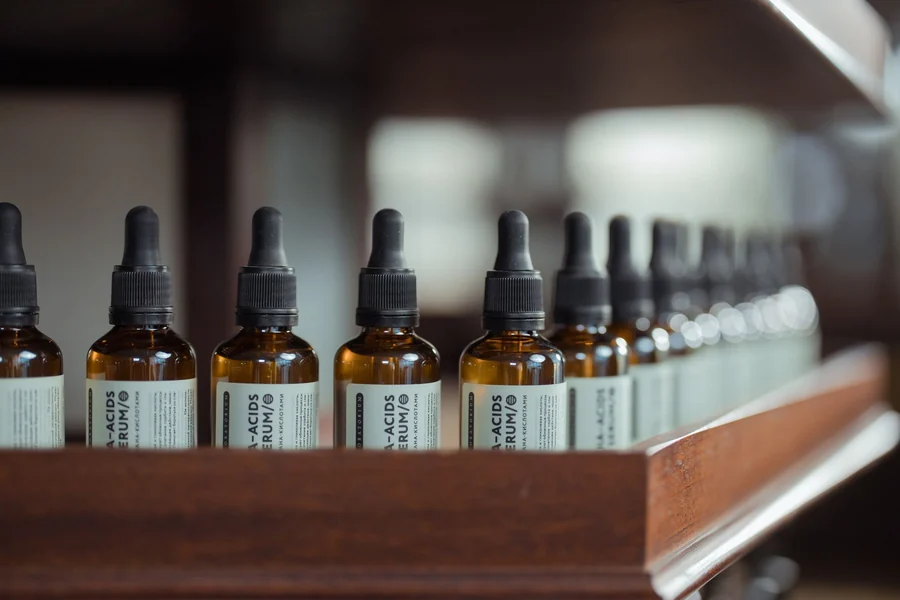
Mercury skin lighteners are illegal in the UK and can cause lasting harm.
Image source: licensed stock photo
Behind the curiosity sits something painful. Colourism — treating people with darker skin as less attractive or less valuable, including within their own communities — is widespread, and it fuels a huge global market in skin-lightening products. Some of those products are genuinely dangerous. In the UK, skin creams containing mercury are illegal, and hydroquinone cannot legally be sold in cosmetics without a prescription, yet unlicensed lighteners still turn up online and in some shops, causing burns, scarring and long-term damage. That is why the refusal of people like Nyakim Gatwech to lighten their skin matters. Dark skin is not a curiosity to be ranked. It is simply skin, and it needs the same care and respect as any other.
Vitamin D and Dark Skin in the UK
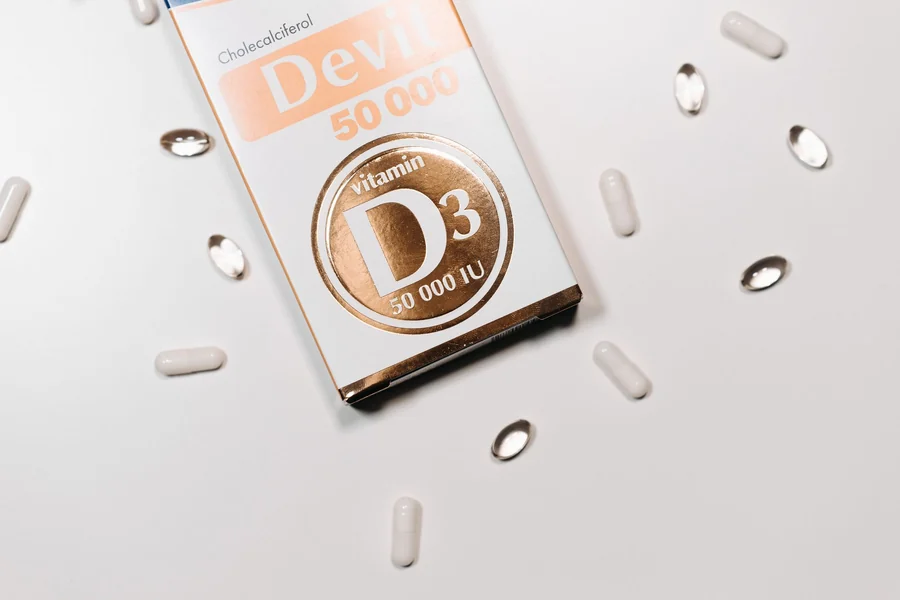
The NHS advises people with dark skin to consider vitamin D all year.
Image source: licensed stock photo
The same pigment that protected ancestors under equatorial sun creates a practical health issue under grey British skies. Because eumelanin filters UV light, people with dark skin need considerably more sunlight to make the same amount of vitamin D — and in the UK, even summer may not be enough.
| Who | NHS advice |
|---|---|
| Most adults and children over 4 | Consider 10 micrograms of vitamin D a day in autumn and winter |
| People with dark skin, for example of African, African-Caribbean or South Asian origin | Consider 10 micrograms a day all year round |
| Anyone rarely outdoors or who covers most skin | Consider 10 micrograms a day all year round |
Sun, Skin Cancer and Getting Diagnosed

Skin cancers on darker skin are more often diagnosed late.
Image source: licensed stock photo
Dark skin has more natural protection, but it is not immune. Sunburn, sun damage and skin cancer can all happen, and when cancers do appear on darker skin they are more often found late — sometimes on the palms, the soles of the feet or under the nails, where nobody thinks to look. Part of the problem has been medical training built around images of light skin. In 2020, London medical student Malone Mukwende co-created Mind the Gap, a handbook of how conditions look on Black and Brown skin, to help close that gap. Daily habits matter too: good sun protection skincare, careful treatment of dark spots, which are more common on deeper skin, and choosing experienced clinicians for procedures like laser hair removal, where the wrong laser can burn darker skin.
Final Thoughts
There is no blackest person in the world, at least not officially: Guinness has never kept such a record, and the viral claim about Nyakim Gatwech is false. What is real is the science — a pigment called eumelanin, shaped by ancient sunlight and dozens of genes, reaching its deepest shades in eastern Africa. The most useful takeaway is practical. If you or your family have dark skin and live in the UK, take vitamin D seriously, protect your skin from the sun, and never let anyone convince you it needs lightening.
Frequently Asked Questions
Who is the blackest person in the world?
Nobody officially. Guinness World Records does not track skin tone, and viral posts naming model Nyakim Gatwech as the record holder have been debunked by fact-checkers.
Is Nyakim Gatwech in the Guinness World Records?
No. There is no record under her name, and she described the claim as misinformation. “Queen of the Dark” is a nickname her fans gave her.
What causes very dark skin?
Higher production of eumelanin, a brown-black pigment, packed into larger melanosomes. People have similar numbers of pigment cells regardless of their skin colour.
Where do people have the darkest skin?
A 2017 study of over 2,000 Africans found the darkest measured skin among Nilo-Saharan pastoralist communities in eastern Africa. Very dark skin also occurs in South Asia and Melanesia.
Can people with dark skin get skin cancer?
Yes. Risk is lower but not zero, and cancers are often diagnosed later, sometimes on palms, soles or under nails. Check your skin and seek advice about changes.
Should people with dark skin take vitamin D in the UK?
The NHS advises people with dark skin to consider taking 10 micrograms of vitamin D daily throughout the year, because UK sunlight may not be enough.
Health note: This article is for general information and is not medical advice. Speak to a GP or pharmacist before starting supplements, and see a doctor about any new or changing mark on your skin. Images are illustrative stock photography and do not depict anyone named in this article.