
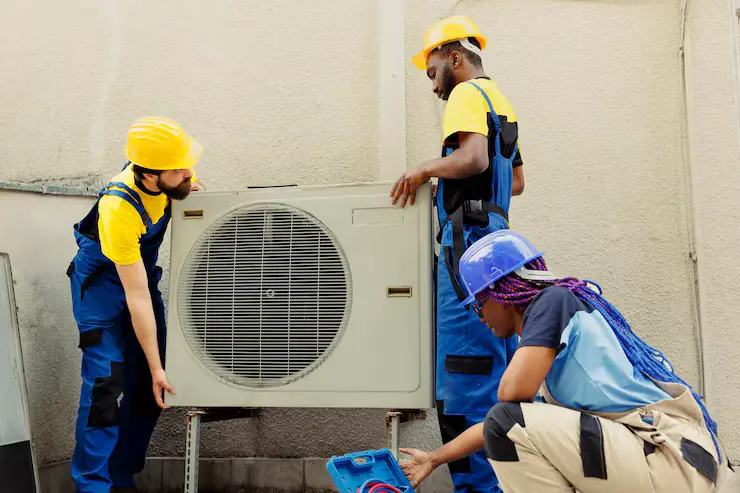
Heat pumps provide homeowners with an alternative to conventional heating systems by transferring thermal energy from the surrounding environment into a property. Although these systems are designed to operate efficiently over extended periods, their performance depends on installation quality, operating conditions and the condition of individual components. Regular Heat Pump Servicing can help homeowners identify developing maintenance requirements, monitor system performance and address problems before they become more disruptive. Establishing an appropriate maintenance routine is particularly important for households that depend on heat pumps as their primary source of heating and hot water. By combining professional servicing with responsible everyday operation, homeowners can support the long-term reliability of their heating equipment while making more informed decisions about maintenance and future investment.
Understanding the Long-Term Operation of Heat Pumps
Heat pumps use interconnected mechanical, electrical and refrigeration components to transfer heat. Air source systems extract thermal energy from outdoor air, while ground source systems obtain heat from the ground through suitable collector arrangements. Both technologies rely on components working together under appropriate operating conditions.
Over time, equipment may experience normal wear, changes in operating behaviour, or deterioration from environmental exposure. These developments do not necessarily cause immediate equipment failure, but they may gradually affect performance. Understanding that heat pumps require ongoing attention helps homeowners treat maintenance as a routine responsibility rather than something undertaken only when heating problems arise.
Why Consistent Maintenance Matters
Heat pumps operate for substantial periods throughout the year, particularly in properties where they provide both space heating and domestic hot water. This regular operation places demands on components such as compressors, fans, circulation pumps and heat exchangers.
Professional maintenance provides opportunities to assess equipment condition and identify developing concerns. For example, restricted airflow or circulation problems may affect system performance before occupants notice a significant reduction in indoor comfort. Establishing a suitable servicing schedule can help ensure these conditions receive appropriate attention rather than remaining undetected for extended periods.
Maintaining Effective Heat Transfer
Heat transfer is central to heat pump operation. Heat exchangers allow thermal energy to move between different parts of the system, supporting the delivery of heating and, where applicable, domestic hot water.
Contamination, restricted airflow or other operating conditions may influence the effectiveness of this process. Outdoor heat exchangers can be exposed to environmental debris, while heating circuits may require attention depending on their design and condition. Professional inspections can help identify issues affecting heat transfer. Cleaning and maintenance should use methods appropriate to the equipment, as unsuitable treatment may damage sensitive components.
Protecting Compressor Performance
The compressor is an important component within a heat pump’s refrigeration cycle. It helps circulate refrigerant and supports the transfer of thermal energy required to provide heating. Several factors influence its operating conditions, including system design, controls, refrigerant circuit condition, and heating demand.
Regular servicing can provide opportunities to investigate unusual operating behaviour that may indicate wider system concerns. However, compressor performance should not be assessed in isolation because problems elsewhere in the installation may influence how it operates. Appropriate technical assessment helps establish whether maintenance, adjustment or further investigation is required.
Homeowners should leave compressor inspections and refrigerant-related work to suitably competent professionals.
Supporting Circulation Within the Heating System
Many residential heat pumps distribute heat through water-based systems connected to radiators, underfloor heating or other suitable heat emitters. Effective circulation helps transfer heat from the heat pump into different areas of the property.
Problems with circulation pumps, air in the system, unsuitable flow conditions, or other heating circuit issues may affect comfort and performance. These concerns can have several causes and require assessment according to the installation’s design. During professional maintenance, relevant aspects of system circulation may be reviewed. Identifying developing problems can help homeowners maintain more consistent heating across the property.
Maintaining Appropriate Heating Controls
Heat pump controls influence when the system operates, how it responds to outdoor conditions and the temperatures delivered throughout the heating circuit. Settings unsuitable for the property may contribute to unnecessary energy use or inconsistent indoor comfort.
Professional servicing can provide an opportunity to review relevant control arrangements and discuss how the system is being used. Changes should reflect the installation’s design, household routines and heating requirements. Regularly adjusting settings without understanding their purpose may make it difficult to assess performance. Homeowners should seek appropriate guidance before making substantial changes to technical control parameters.
Managing the Effects of Environmental Exposure
Air source heat pumps have outdoor units that are exposed to changing weather conditions throughout the year. Rain, wind, leaves, vegetation, and environmental debris can affect the surrounding area and, in certain circumstances, restrict airflow.
Homeowners can support responsible equipment operation by keeping the area surrounding the outdoor unit clear in accordance with manufacturer guidance. Professional maintenance may include reviewing accessible components and identifying signs of deterioration or unsuitable environmental conditions. Properties with limited outdoor space may require particular attention to maintaining appropriate clearances around equipment.
Identifying Changes in Heating Performance
Homeowners may become accustomed to how their heat pump operates, making gradual changes difficult to recognise. Nevertheless, recurring unusual noises, inconsistent temperatures, or unexplained changes in electricity consumption may justify further investigation.
Keeping a record of when these changes occur can provide useful information during professional servicing. For example, noting whether heating difficulties occur during particular weather conditions or when hot water demand increases may help an engineer understand the circumstances. These observations should support technical assessment rather than being used to diagnose equipment faults without appropriate expertise.
Reducing Reliance on Reactive Repairs
Reactive maintenance involves arranging repairs after a problem has become apparent. While unexpected faults cannot always be avoided, relying exclusively on reactive repairs may allow developing maintenance issues to remain unnoticed.
A preventative approach involves inspecting equipment at suitable intervals and addressing identified concerns according to their significance. This can support better planning of maintenance expenditure and reduce the likelihood of certain avoidable disruptions. However, regular servicing does not guarantee that replacement components or unexpected repairs will never be required. Homeowners should consider preventative maintenance as one element of responsible equipment ownership.
Maintaining Reliable Service Records
Service records provide information about previous inspections, maintenance activities, repairs and recommendations. These documents can help homeowners understand how their equipment has performed over time and identify recurring concerns.
Reliable records are particularly useful when different engineers attend the property or when homeowners need to review manufacturer warranty conditions. They may also provide helpful information when a property changes ownership. Homeowners should retain relevant service reports alongside equipment manuals and installation documentation. Recording maintenance activities supports continuity and helps ensure that previous recommendations receive appropriate follow-up.
Considering Maintenance Within Wider Home Energy Management
Heat pump performance is influenced by more than equipment condition alone. Insulation, building heat loss, heating system design, domestic hot water demand and household preferences can all affect energy consumption.
Regular servicing should therefore form part of a broader approach to managing home heating. Homeowners experiencing persistent comfort or efficiency concerns may need to consider whether wider property improvements or heating system assessments are appropriate. Maintenance can address equipment-related problems, but it cannot necessarily compensate for unsuitable system design or substantial building heat loss.
Planning for Long-Term Equipment Ownership
Heat pumps represent a significant investment in residential heating infrastructure. Proper maintenance requires considering ongoing servicing, potential repairs, and eventual equipment replacement.
Homeowners should establish maintenance arrangements based on manufacturer recommendations and professional guidance. Periodically reviewing equipment condition can help identify when additional assessment or investment may be necessary. This approach supports more informed financial planning and reduces reliance on decisions made during unexpected heating failures. Responsible ownership involves balancing ongoing maintenance costs with equipment condition, reliability and expected future requirements.
Frequently Asked Questions (FAQs) About Long-Term Heat Pump Maintenance
Can regular maintenance extend the lifespan of a heat pump?
Regular maintenance can help identify developing faults and preserve appropriate operating conditions, which may support equipment longevity. However, a heat pump’s actual lifespan depends on installation quality, usage, component condition, environmental exposure, and other factors. Servicing cannot guarantee a particular operational lifespan.
How often should homeowners arrange heat pump maintenance?
Many manufacturers recommend annual professional servicing, although requirements vary by product and installation. Homeowners should review their equipment documentation and warranty conditions. Additional maintenance or investigation may be appropriate where persistent performance concerns, unusual noises or system faults are identified.
Does regular servicing help maintain heat pump efficiency?
Servicing can help identify conditions that may influence efficiency, including restricted airflow, circulation problems and unsuitable control settings. Addressing these issues may improve performance where relevant faults exist. Actual energy consumption also depends on property insulation, weather conditions, heating demand and overall system design.
What maintenance can homeowners undertake themselves?
Homeowners may perform basic visual checks and keep the surrounding area clear where permitted by manufacturer guidance. They should avoid opening technical compartments or attempting electrical and refrigerant-related work. An appropriately competent heating professional should assess unusual operating behaviour or persistent faults.
Why should homeowners retain heat pump service records?
Service records document previous maintenance activities, identified concerns and professional recommendations. They can support future investigations, help maintain continuity between servicing visits and provide evidence of maintenance where required by warranty conditions. Keeping accurate records also supports longer-term equipment ownership and financial planning.
Conclusion
Regular heat pump maintenance supports long-term heating performance by providing opportunities to assess equipment condition, identify developing problems and maintain appropriate operating arrangements. Professional servicing can help homeowners understand how their systems are performing while supporting the reliable operation of individual components.
However, maintaining a heat pump involves more than arranging periodic servicing. Appropriate controls, responsible everyday use and consideration of wider property characteristics also influence heating performance.
By establishing a consistent maintenance routine and responding appropriately to developing concerns, homeowners can support the long-term reliability of their heat pumps and make more informed decisions about their residential heating systems.


