

London City Institute of Technology (LCIoT) is a provider of higher technical education and apprenticeships, not a research institute. Its focus is on training people for technical jobs in digital, engineering and construction, working with employers. The research strength in the partnership sits with Queen Mary University of London, which is ranked joint 7th in the UK in the 2021 Research Excellence Framework (Queen Mary facts and figures). The earlier version of this page described advanced research laboratories, robotics and biotechnology facilities, innovation hubs and international research collaborations at the Institute. We could not find any of those in official sources, so we have removed them. This guide from The London Report explains what “innovation” means at LCIoT, with verified facts.
For the wider picture, see our Explore the London City Institute of Technology: Courses, Facilities, and Career Opportunities, and for the buildings, our guide to facilities and resources at London City Institute of Technology. Related guides: student life at London City Institute of Technology. Details change, so confirm with the Institute before you apply.
Key takeaways
- What LCIoT is: a collaboration between Queen Mary, Newham College and employers delivering higher technical education and apprenticeships in STEM (Queen Mary).
- Where the research is: Queen Mary ranks joint 7th in the UK in REF2021 and 32nd in the world for research quality in the THE World University Ranking 2027, according to its own profile (Queen Mary).
- Innovation at LCIoT is applied: employer-led qualifications, apprenticeships and one listed focus area of commercial research and development (Queen Mary).
- Demand for digital skills is rising: AI-related employment in the UK grew from 50,040 in 2022 to about 130,400 in 2025 (DSIT AI sector study 2025).
- Not published: we found no LCIoT research centres, innovation hub, robotics lab or international research partnerships, so this guide does not list them.
What LCIoT is, and what it is not
LCIoT opened in late September 2022 as a collaboration between Queen Mary, Newham College and employers. It specialises in higher technical education and apprenticeships, with a focus on STEM subjects such as engineering, digital and construction, supported by £28 million from the Department for Education and the Greater London Authority (Queen Mary; Queen Mary news). Its qualifications include T Levels, higher and degree apprenticeships, degree programmes and higher technical qualifications (LCIoT).
The national Institutes of Technology network describes the model: each institute focuses on specialist areas, with employers as core partners and members of governing bodies, delivering higher technical qualifications, professional training and higher apprenticeships (Institutes of Technology network). That is applied technical teaching rather than a laboratory-led research programme.
| Question | What the sources say | Source |
|---|---|---|
| Is LCIoT a research institute? | No. It is a provider of higher technical education and apprenticeships | LCIoT: About us |
| Who brings research strength? | Queen Mary University of London, a partner: joint 7th in the UK in REF2021, 32nd in the world for research quality in THE 2027 | Queen Mary |
| Does LCIoT mention research and development? | Queen Mary lists commercial research and development as one of the Institute’s focus areas | Queen Mary |
| Who shapes the curriculum? | Employers are core partners and sit on governing bodies across the IoT network | IoT network |
| Named employer partners | PwC, KPMG and Goldman Sachs for the first intake; Siemens Mobility, CBRE Investment Management and the Port of London Authority in 2021 | Queen Mary, 2022 |
Where innovation shows up: employer-led learning
At LCIoT innovation means keeping qualifications close to what employers need. The focus areas listed by Queen Mary are engineering technologies, civil engineering, construction and the built environment, transport and logistics technologies, green and smart technologies, digital technologies (including cyber, data, software and network engineering) and commercial research and development (Queen Mary). Subjects taught from the first year included Advanced Rail Engineering, Cloud Computing, Cyber Security and Digital and Technology Solutions (Queen Mary).
Queen Mary says it was the first Russell Group university to offer degree apprenticeships, in 2015 (Queen Mary, 2021). Its principal said the partnership would bring Queen Mary’s research and teaching to the Institute (LCIoT). How much research content reaches individual programmes is a question to put to the Institute.
Why digital and technical skills matter
The skills LCIoT teaches sit in a fast-growing part of the economy. The government’s AI sector study, published on 29 October 2026, estimated that AI-related employment in the UK reached about 130,400 in 2025, up 51% on 2024 and from 50,040 in 2022, with AI-related revenue at £33.6 billion (DSIT AI sector study 2025). Healthcare and wellness (17%), professional services (17%) and financial services (13%) were the leading application sectors among dedicated AI firms. That is context for demand, not a measure of LCIoT’s own research output.

Where Queen Mary’s research and enterprise sit
Queen Mary’s own profile gives a sense of the research and enterprise environment around the Institute. It reports a ranking of joint 7th in the UK in REF2021 and 32nd in the world for research quality in the THE World University Ranking 2027, and 25th in the world and 10th in Europe for research collaboration on the Research Collaboration Index. It says its BioEnterprises Innovation Centre in Whitechapel supports drug discovery start-ups and has created over 500 science jobs, and that it has partnerships with industrial firms including Pfizer, IBM and Huawei (Queen Mary facts and figures). These are Queen Mary’s achievements, not LCIoT’s.
What we removed from the earlier version
| Claim in our 2024 version | What we found on 11 November 2026 |
|---|---|
| Advanced research laboratories for engineering, biotechnology, data science and robotics | Not found. Classrooms, workshops and computer rooms are described |
| Innovation hubs, collaborative labs and digital research centres | Not found in the Institute’s information |
| A research-focused curriculum with courses in research methodology | Not found. Qualifications are technical and apprenticeship-based |
| Joint research initiatives with companies | Employer partnerships are published. Joint research projects are not |
| Environmental research labs and green campus initiatives | Not found. ‘Green and smart technologies’ is a listed focus area |
| Robotics and automation research | Not found |
| International research collaborations and student innovation programmes | Not found |
Questions to ask the Institute
- What practical or project work will I do on my programme, and with which employers?
- Are there opportunities to work on commercial research and development projects?
- What input do employers have in my course content?
- Which Queen Mary resources, if any, can LCIoT learners use?
- How are projects assessed, and who owns the results?
Contact the Institute at info@londoncityiot.ac.uk or through its website.
Conclusion
LCIoT’s contribution to innovation is employer-led technical education in digital, engineering and construction, backed by a partnership with a research-strong university. It is not a research institute, so ask what applied project work your programme includes. For events where these skills are in demand, see our guide to AI and machine learning events in London. For more from The London Report, see our technology section.
FAQ
Does London City Institute of Technology do research?
It is a provider of higher technical education and apprenticeships rather than a research institute. Queen Mary, one of its partners, is a research-intensive university, and commercial research and development is listed as one of the Institute’s focus areas (Queen Mary; LCIoT).
How strong is Queen Mary’s research?
Queen Mary reports joint 7th in the UK in REF2021 and 32nd in the world for research quality in the THE World University Ranking 2027 (Queen Mary).
What subjects does LCIoT cover?
Digital, engineering and construction pathways plus apprenticeships. From the first year it taught Advanced Rail Engineering, Cloud Computing, Cyber Security and Digital and Technology Solutions (LCIoT; Queen Mary).
Which employers work with the Institute?
PwC, KPMG and Goldman Sachs for the first intake, and Siemens Mobility, CBRE Investment Management and the Port of London Authority in the 2021 announcement (Queen Mary; Queen Mary).
Does LCIoT have robotics or biotechnology laboratories?
We found no evidence of these in the Institute’s published information, so we do not list them. Ask the Institute.
How was the Institute funded?
£28 million from the Department for Education and the Greater London Authority (Queen Mary).
How fast is demand for AI skills growing?
UK AI-related employment rose from 50,040 in 2022 to about 130,400 in 2025 (DSIT AI sector study 2025).
Is LCIoT part of a national network?
Yes. It is one of the first 12 Institutes of Technology, a national network of providers and employers delivering higher technical education (Queen Mary; IoT network).
Where can I read more?
See our Explore the London City Institute of Technology: Courses, Facilities, and Career Opportunities, our guide to facilities and resources at London City Institute of Technology and our guide to student life at London City Institute of Technology.
Editor’s note: what changed in this update
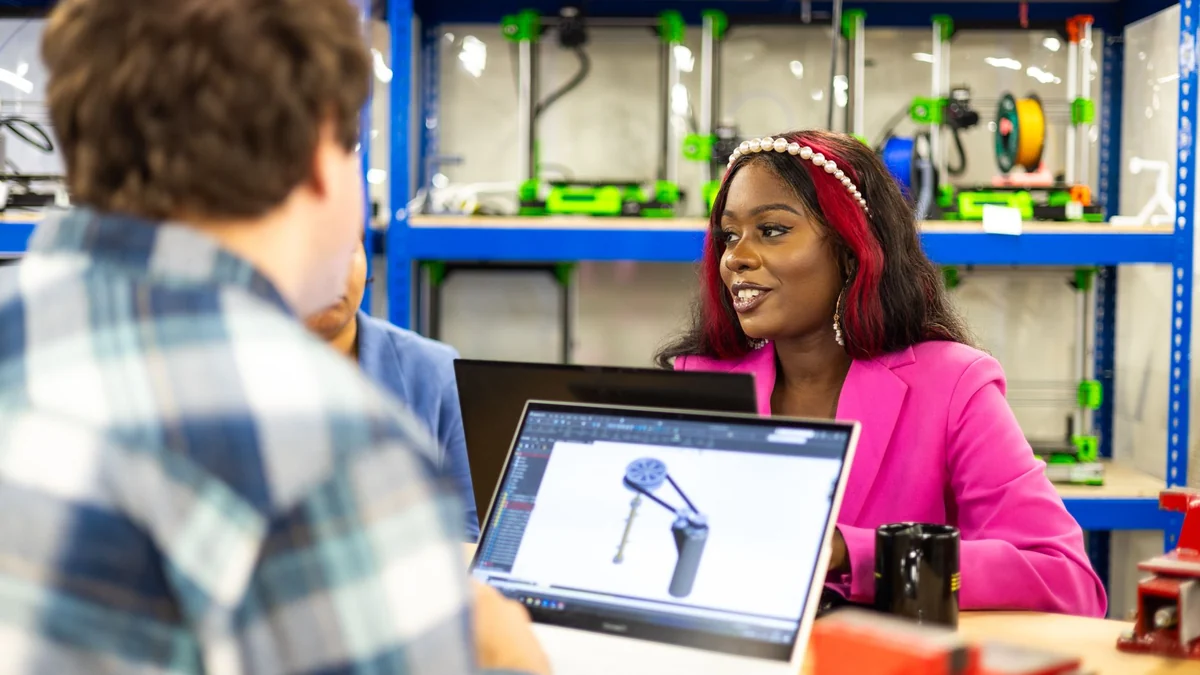
On 11 November 2026 we rewrote this page. The 2024 version described research laboratories, innovation hubs, robotics and biotechnology facilities, environmental research labs and international research collaborations at the Institute that we could not match to any official source. We replaced it with what the Institute, Queen Mary and the national IoT network actually say, added UK AI sector data for context, included a table of what we removed, and swapped the stock images for licensed photos that are illustrative and not pictures of the Institute. We kept our link to the overview guide.
Sources
- London City Institute of Technology; LCIoT: About us
- Queen Mary: London City Institute of Technology; Queen Mary: Degree Apprenticeships at LCIoT; Queen Mary: facts and figures
- Queen Mary news, 8 December 2021; Queen Mary news, 8 November 2022
- Institutes of Technology network: about
- DSIT: Artificial Intelligence sector study 2025 (web version) (29 October 2026)
Disclaimer
This guide is independent and is not an official publication of London City Institute of Technology, Queen Mary University of London or Newham College. Rankings and figures are as reported by the named sources on the date checked. Programmes and funding change, so check with the Institute before you apply.
Last updated: 11 November 2026