
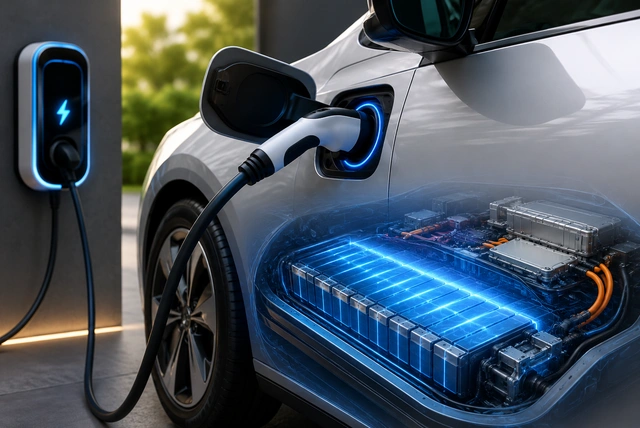
James still remembers the frustration of standing in a supermarket car park on a freezing Manchester evening, turning the key in his car and hearing nothing but silence. The battery had died without warning, leaving him stranded and waiting for roadside assistance. For years, moments like these were a normal part of vehicle ownership. Drivers often discovered battery problems only after their cars refused to start. Today, however, that story is changing rapidly. Thanks to advances in Battery Charging Technology, modern vehicles are becoming far smarter than many drivers realise. Batteries can now monitor their own condition, communicate with onboard systems, and even warn drivers about potential issues before they become serious. From smart battery chargers and battery management systems to real-time battery health monitoring and intelligent charging technology, the automotive industry is transforming vehicle maintenance from a reactive process into a proactive one. For UK drivers, this means fewer unexpected breakdowns, lower repair costs, better battery performance, and a driving experience that is becoming more reliable with every technological breakthrough.
From Simple Chargers to Intelligent Battery Care

Image source: Freepik.com
There was a time when charging a vehicle battery was little more than connecting a charger and hoping for the best. Drivers rarely knew whether the battery was charging correctly, and many unintentionally shortened battery life through overcharging or poor maintenance habits. Today, Battery Charging Technology has completely changed that experience. Modern charging systems analyse battery condition in real time and automatically adjust charging levels based on factors such as temperature, voltage, and charge status. Imagine a family leaving their second vehicle parked at an airport for several weeks during a holiday. In the past, they might return to a weak battery or even a vehicle that would not start. Now, a smart battery charger can continuously monitor battery health and switch to maintenance mode when required, ensuring the battery remains in excellent condition. This evolution reflects broader trends in emerging technology, where intelligent systems are replacing manual processes and improving efficiency. Modern vehicle owners are increasingly using smart maintenance solutions because a car battery trickle charger helps prevent battery drain during long periods of inactivity while advanced diagnostics, automatic charging functions, and battery protection systems improve overall vehicle battery care. What was once a simple maintenance task has become an intelligent process that helps extend car battery lifespan while reducing the risk of costly failures.
How Smart Battery Chargers Are Reducing Maintenance Costs
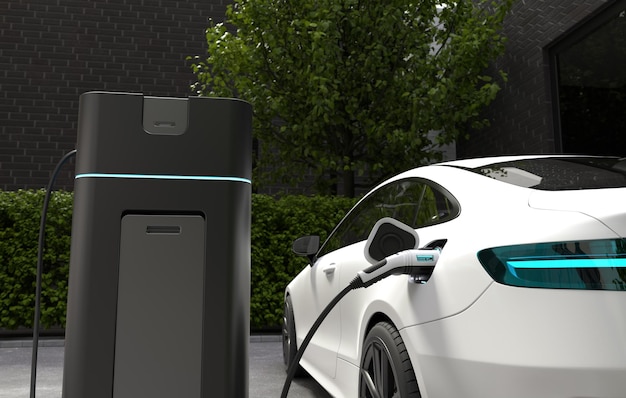
Image source: Freepik.com
Every driver wants to avoid unnecessary expenses, and battery replacement is one cost that many people would happily eliminate. Consider two neighbours who own similar vehicles. One relies on a traditional charger whenever battery problems appear, while the other uses a smart battery charger equipped with intelligent charging technology. After several years, the difference becomes clear. The driver using the smarter system often experiences fewer battery-related problems, better vehicle reliability, and longer battery life. Modern battery charging systems continuously monitor charging conditions and adjust power delivery to match the battery’s needs. This prevents overcharging, reduces internal stress on battery cells, and helps preserve overall battery performance. As vehicles become more advanced and rely on increasingly complex electrical systems, batteries are supporting far more than simply starting the engine. Navigation systems, safety technology, infotainment platforms, sensors, and connected services all depend on healthy batteries. Similar improvements in battery efficiency are also influencing consumer devices, which is why discussions around iPhone 18 technology and battery innovations often focus on smarter power management. By investing in better battery charging solutions, drivers are not only protecting their batteries but also reducing long-term ownership costs while improving overall automotive power management.
Battery Health Monitoring Is Making Maintenance Predictable

Image source: Magnific.com
One of the most significant changes in modern vehicle maintenance is the ability to identify problems before they become emergencies. In the past, drivers often had no warning that a battery was failing until the vehicle refused to start. Today, battery health monitoring systems are changing that experience completely. Modern vehicles collect and analyse real-time information about charging cycles, voltage behaviour, temperature conditions, and overall battery health. Imagine receiving a dashboard notification several weeks before a battery issue becomes serious enough to cause a breakdown. Instead of being stranded on the roadside, you can schedule maintenance at a convenient time and avoid unnecessary stress. This shift from reactive repairs to predictive maintenance is one of the biggest benefits of intelligent charging technology. Similar advances can be seen in healthcare innovations such as surgical recovery technology, where continuous monitoring helps improve outcomes and reduce risks. For vehicle owners, battery health monitoring provides greater confidence, better maintenance planning, and improved reliability. By continuously tracking battery performance, modern battery charging systems are helping drivers stay ahead of problems rather than constantly reacting to them.
The Hidden Role of Battery Management Systems in Modern Vehicles

Image source: Magnific.com
Most drivers never see a Battery Management System, yet it is one of the hardest-working technologies inside a modern vehicle. Think of it as the brain behind the battery. Imagine an electric vehicle navigating busy London traffic on a hot summer afternoon while powering air conditioning, navigation systems, safety features, and countless electronic components. Without careful control, the battery could overheat, lose efficiency, or experience accelerated wear. This is where the battery management system steps in. It constantly monitors battery condition, balances individual cells, regulates charging speeds, and activates battery protection systems whenever necessary. These functions help maintain battery performance while extending car battery lifespan. Modern battery charging systems depend heavily on this technology because even the smartest charger would struggle without accurate information about battery condition. The growing importance of software-driven battery management mirrors wider developments across industries, particularly among organisations featured in the top technology companies in London, where intelligent systems are improving efficiency through data and automation. As vehicles continue becoming more connected and sophisticated, battery management systems are playing an increasingly important role in ensuring reliability, reducing maintenance requirements, and helping drivers get the maximum value from their batteries.
How Artificial Intelligence Is Transforming Automotive Power Management

Image source: Freepik.com
Only a few years ago, the idea of a vehicle learning from its owner’s habits sounded futuristic. Today, artificial intelligence is becoming a powerful force in Battery Charging Technology. Imagine two drivers with completely different lifestyles. One commutes daily and charges their vehicle every evening, while another uses their vehicle mainly at weekends. Traditional charging systems would treat both batteries in the same way. AI-powered charging systems, however, can analyse behaviour patterns, charging habits, and battery usage to create a more personalised charging strategy. This helps reduce unnecessary battery stress, improve charging efficiency, and extend battery life. Artificial intelligence can also assist with battery health monitoring by identifying warning signs long before drivers notice any performance issues. The rise of AI-driven maintenance is creating opportunities far beyond the automotive sector. Many of the concepts discussed in guides covering innovative company ideas in the UK are closely linked to artificial intelligence, automation, and smart energy solutions. As intelligent charging technology continues to evolve, AI will likely become a standard feature within battery charging systems, helping drivers benefit from smarter vehicle maintenance, lower ownership costs, and improved long-term battery performance.
Why EV Charging Technology Is Improving Battery Lifespan

Image source: Freepik.com
When electric vehicles first gained popularity, one concern appeared repeatedly among potential buyers: battery longevity. Many drivers worried that expensive battery replacements would become unavoidable after only a few years of ownership. Fortunately, modern EV charging technology has helped change that perception. Picture someone purchasing an electric vehicle today and confidently planning to keep it for many years. Advanced charging systems now focus on preserving battery health rather than simply delivering power as quickly as possible. Intelligent charging technology monitors charging speed, temperature, and energy distribution to reduce battery degradation and improve long-term reliability. Battery protection systems actively prevent harmful charging conditions, while sophisticated thermal management systems help maintain ideal operating temperatures. These improvements mean that modern EV batteries are lasting significantly longer than many early industry predictions suggested. Similar advances in battery-powered mobility can also be seen in products such as the latest disability scooters, where efficient battery charging systems contribute to reliability and convenience. As EV charging technology continues advancing, drivers are gaining greater confidence that electric vehicles can provide dependable performance without the maintenance concerns that once worried many consumers.
Wireless Charging Could Change the Way We Think About Vehicle Maintenance

Image source: Magnific.com
Technology has a habit of making everyday tasks simpler, and wireless charging may be the next major step in vehicle battery care. Think about how many people now charge smartphones simply by placing them on a charging pad. The automotive industry is working toward a similar future. Imagine arriving home after a long day at work and parking your vehicle in the driveway. Instead of connecting cables or checking charging ports, the charging process begins automatically beneath the vehicle. Wireless charging technology could remove much of the inconvenience associated with routine charging while also reducing user errors that can sometimes affect battery performance. Beyond convenience, automated charging may improve charging consistency, helping support better battery health over time. The growth of smart mobility solutions demonstrates how rapidly technology is reshaping transportation. Whether it is electric vehicles, advanced charging systems, or connected mobility devices, consumers increasingly expect seamless experiences that require minimal effort. Wireless charging may still be developing, but many experts believe it represents an important future direction for battery charging solutions and vehicle maintenance.
Vehicles Are Becoming Part of a Larger Energy Ecosystem
For decades, vehicle batteries served a single purpose: powering the vehicle itself. Today, that role is expanding dramatically. Imagine a family experiencing a power outage during a winter storm. Instead of relying solely on backup generators, their electric vehicle could help provide electricity for essential household appliances. This concept, often known as vehicle-to-home technology, demonstrates how battery charging systems are becoming part of a broader energy ecosystem. Modern vehicles are increasingly capable of storing, managing, and sharing energy in ways that extend far beyond transportation. Smart charging features allow energy to flow more efficiently between homes, renewable energy sources, and vehicles, creating opportunities for improved energy management and sustainability. This transformation is also attracting attention from entrepreneurs and innovators, similar to trends highlighted among new startups in London that focus on clean technology and smart infrastructure. As battery charging technology continues evolving, vehicles may become valuable energy assets that support households, businesses, and communities while providing entirely new benefits for drivers.
Conclusion
Battery Charging Technology has come a long way from simple charging methods. Today, smart battery chargers, battery management systems, and battery health monitoring tools help drivers maintain their vehicles more efficiently. These advanced systems can detect potential issues early, improve battery performance, and extend battery lifespan. For UK drivers, this means fewer unexpected breakdowns, lower maintenance costs, and greater peace of mind on the road. As vehicle technology continues to evolve, intelligent battery charging solutions will play an even bigger role in making vehicle maintenance smarter, easier, and more reliable.
Frequently Asked Questions
What is Battery Charging Technology?
Battery Charging Technology refers to the systems, software, and charging solutions used to safely charge, monitor, and protect vehicle batteries. Modern technology includes smart battery chargers, battery health monitoring tools, automatic charging systems, and battery management systems that help improve battery performance, reliability, and lifespan.
How do smart battery chargers differ from traditional chargers?
Traditional chargers usually deliver a fixed amount of power regardless of battery condition. Smart battery chargers use intelligent charging technology to analyse battery health, adjust charging rates automatically, prevent overcharging, and activate maintenance modes when necessary. This helps improve vehicle battery care and extend battery life.
Can modern battery charging systems really extend car battery lifespan?
Yes. Modern battery charging systems are designed to reduce battery stress by controlling charging speeds, monitoring temperature, and preventing harmful charging conditions. Features such as battery protection systems and battery management systems help batteries operate more efficiently, which can significantly extend car battery lifespan.
Why is battery health monitoring important for vehicle maintenance?
Battery health monitoring allows drivers and technicians to identify potential problems before they lead to battery failure. By tracking charging cycles, voltage levels, temperature, and overall battery condition, these systems support predictive maintenance and help avoid unexpected breakdowns.
What role does artificial intelligence play in battery charging technology?
Artificial intelligence helps optimise charging behaviour by analysing driving habits, charging patterns, and battery usage data. AI-powered systems can improve charging efficiency, reduce battery degradation, and support automotive power management by making smarter charging decisions based on real-world conditions.
What does the future of EV charging technology look like?
The future of EV charging technology includes faster charging speeds, wireless charging solutions, improved battery recovery charger capabilities, enhanced battery management systems, and vehicle-to-home energy applications. These innovations aim to improve convenience, battery health, energy efficiency, and overall vehicle ownership experiences.