The idea is almost too good to be true: apply one product before bed, go to sleep, and wake up with plumper, glowier, more hydrated skin — no rinsing, no effort, no time out of your day. Overnight sleeping masks deliver exactly that, harnessing the hours you are already asleep to do their work. But they are also widely misunderstood, treated either as a nightly essential or a gimmick, when the truth is they are a specific, occasional tool that slots neatly into the right routine. Understanding where they fit is the key, and it is a cosy corner of our guide to face masks for skin.
What an Overnight Mask Actually Is
Despite the name, an overnight sleeping mask is really a rich, leave-on moisturiser designed to be worn all night. Unlike a rinse-off mask, you apply it as the final step of your evening routine and simply sleep in it. It works in two ways: delivering hydrating and nourishing ingredients, and forming a light seal over the skin that locks in everything underneath and prevents moisture escaping overnight. Because skin does much of its natural repair while you sleep, an overnight mask supports that process with an extra layer of hydration.
Who Benefits Most
Overnight masks are a gift for dry, dull and dehydrated skin, and for anyone whose skin feels tight or looks lacklustre. They are also lovely in winter, when central heating and cold air strip moisture, and after travel or a big night out when skin needs reviving. Oily and acne-prone skin should choose lighter gel-based overnight masks rather than heavy creams, since a rich occlusive layer can feel too much — but even oily skin gets dehydrated and can benefit from the right formula.
Where It Fits in Your Routine
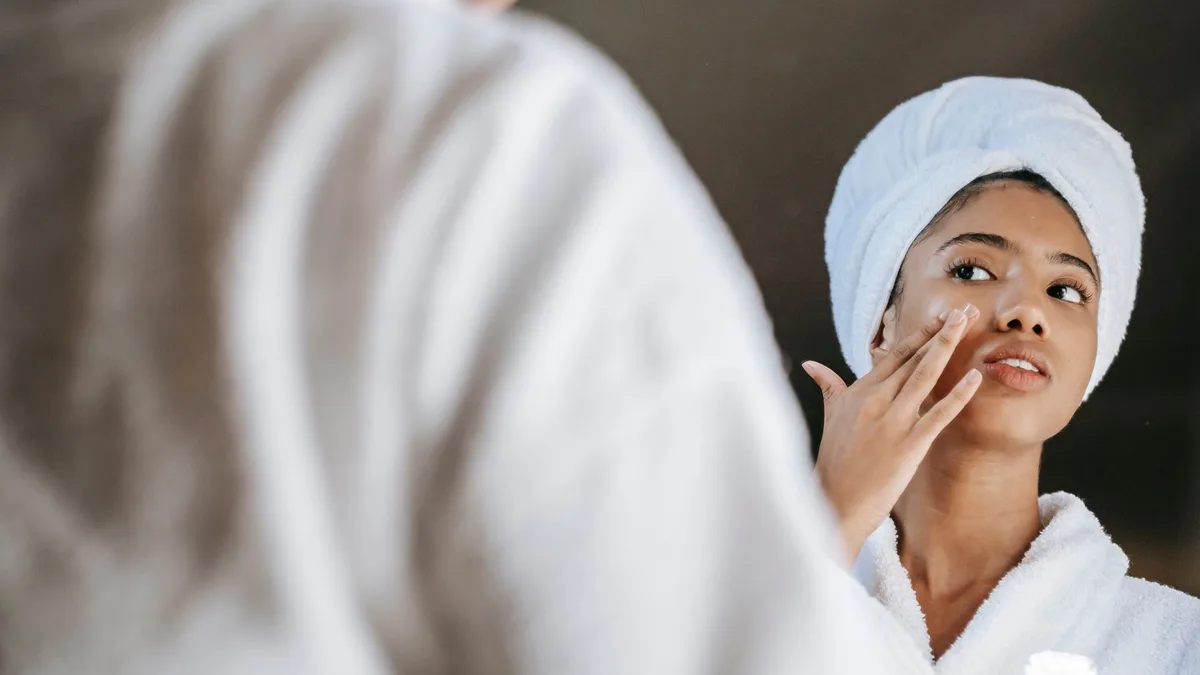
An overnight mask goes on last, as the final step after your serums and treatments, sealing them in. That means you do not need your usual moisturiser on top — the mask is your moisturiser for that night. It is an occasional swap rather than a nightly essential: use it a couple of times a week, or whenever your skin feels particularly dry, in place of your normal night cream. On nights you use strong actives like retinol, a soothing overnight mask can also help offset any dryness.
Getting the Most From It
- Apply to clean skin after your serums, as the sealing final step.
- Use a slightly generous layer, but not so much it transfers everywhere — a satin pillowcase helps.
- Rinse or cleanse gently in the morning to remove any residue before your day routine.
- Match the formula to your skin — gel for oily, richer cream for dry.
Overnight vs Other Masks
Where a sheet mask gives a quick hydration burst and a clay mask deep-cleans, an overnight mask offers sustained, deep moisture over hours. They serve different purposes, and many people keep all three for different needs. As always, an overnight mask supports rather than replaces the consistent actives in your anti aging skincare routine.
The Takeaway
An overnight sleeping mask is a rich, leave-on treatment that hydrates and seals your skin while you sleep — ideal for dry, dull or winter-worn skin, used a couple of nights a week in place of your night cream. Apply it last, match the formula to your skin, and let the hours you are already asleep do the work. It is effortless self-care that genuinely earns its place.