

In the autumn of 1974, two of the greatest heavyweights who ever lived met in a stadium in Kinshasa, in what was then Zaire, at four o’clock in the morning so the fight could go out live on American television. The man who made it happen had, only a few years earlier, been in an Ohio prison. He promised each fighter an unheard-of $5 million, and somehow found the money. Half a century later, at 95, he is still talking. The Don King net worth story is one of the most extraordinary, and most controversial, in the history of sport.
Don King: Biography at a Glance
| Full name | Donald King |
| Born | August 1931, Cleveland, Ohio |
| Age | 95 |
| Occupation | Boxing promoter |
| Famous promotions | “Rumble in the Jungle” (1974), “Thrilla in Manila” (1975) |
| Fighters promoted | Ali, Frazier, Foreman, Holmes, Tyson, Chávez, Holyfield |
| Catchphrase | “Only in America” |
| Spouse | Henrietta King, died 2010 |
| Estimated net worth | Around $150 million (estimate, not audited) |
The Numbers Runner From Cleveland
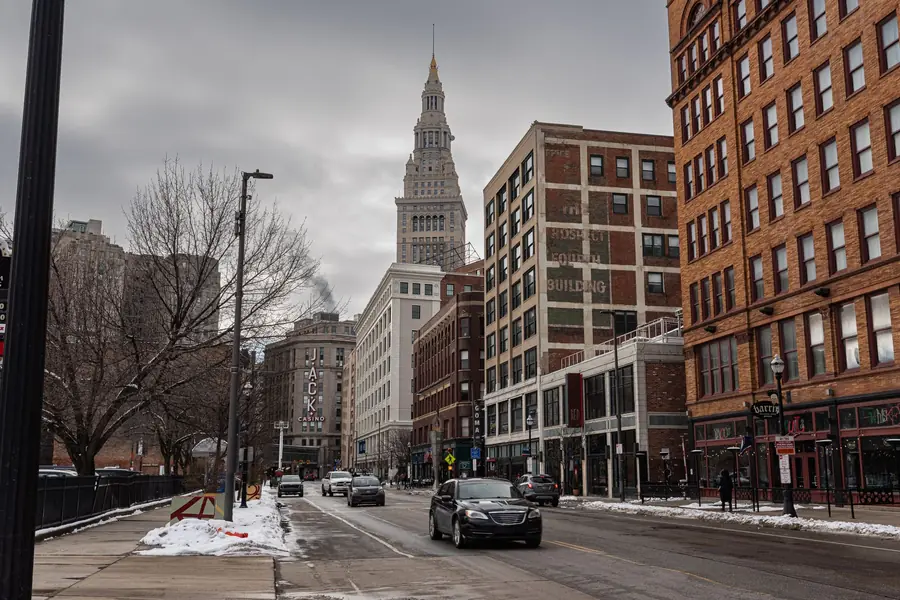
He ran an illegal numbers racket in Cleveland from 1951.
Image source: licensed stock photo
Don King’s first business was not boxing. From 1951 he ran an illegal numbers racket in Cleveland, an underground lottery that made him wealthy and well known on the city’s streets. It also led to the two darkest episodes of his life. In 1954 he shot and killed a man who was trying to rob one of his gambling houses, and the death was ruled justifiable homicide. In 1966 he was convicted of second-degree murder after beating an employee, Sam Garrett, to death over a $600 debt. The conviction was later reduced to voluntary manslaughter, and he served just under four years in prison. In 1983 the governor of Ohio, Jim Rhodes, granted him a pardon, supported by letters from figures including Jesse Jackson and Coretta Scott King.
From Prison to Promotion

He read voraciously in prison and came out determined to go big.
Image source: licensed stock photo
King used his time inside to read voraciously, and he came out in the early 1970s determined to go straight and go big. Through contacts in the music and entertainment world he persuaded Muhammad Ali to box an exhibition in Cleveland to raise money for a local hospital, and he never looked back. What he understood, better than almost anyone in boxing at the time, was that the money was not in the ring at all. It was in television rights, venues, sponsors and national governments willing to pay to host a spectacle. A promoter who controlled all of that controlled the fight. Within three years of leaving prison, he was about to prove it to the whole world, on a scale boxing had never seen.
The Rumble in the Jungle
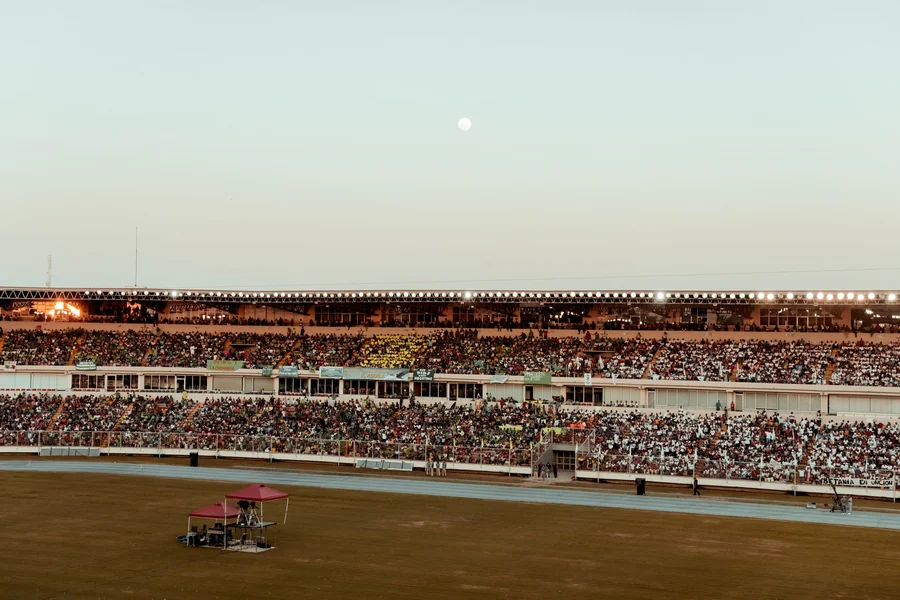
The Rumble in the Jungle’s record $10 million purse, 1974.
Image source: licensed stock photo
In 1974 he pulled off the deal that made his name. He promised Muhammad Ali and the heavyweight champion George Foreman a combined purse of $10 million, a record at the time, then went looking for someone to pay it. He found a backer in the government of Zaire, which wanted to showcase the country to the world. The fight in Kinshasa, won by Ali with his famous “rope-a-dope” tactics, became one of the most celebrated events in sporting history. A year later King promoted the “Thrilla in Manila”, the brutal third fight between Ali and Joe Frazier. With those two nights, a man who had been in prison only a few years earlier became the most powerful promoter in boxing.
How a Promoter Gets Rich

A promoter owns the event and sells the television rights.
Image source: licensed stock photo
To understand his fortune, you have to understand the job. A boxer is paid a purse for a fight. A promoter owns the event: he sells the television rights, the venue deal and the sponsorships, pays the fighters their purses and keeps what is left. When that promoter also has the biggest names in the sport under contract, he can dictate terms to everyone else. It is a very different position from a manager, who takes a commission from an act’s earnings, as Louis Walsh’s net worth shows in the music business. King’s genius, and the source of much of the criticism aimed at him, was controlling both sides of the table at once.
The Tyson Years
He promoted almost every major heavyweight of the Tyson era.
Image source: licensed stock photo
Through the 1980s and 1990s King promoted almost every major heavyweight, including Larry Holmes, Evander Holyfield and, above all, Mike Tyson. Tyson’s fights generated enormous pay-per-view sales, and King was at the centre of every one of them. He also promoted the Mexican great Julio César Chávez, whose huge fanbase filled stadiums. His wild hair, sequinned jackets and cry of “Only in America” made him as famous as many of his fighters. Today, fighters negotiate from a much stronger position, as Ryan Garcia’s net worth shows, with social media giving them audiences of their own. In King’s era, the promoter held nearly all the cards.
The Fighters Who Sued Him
Tyson sued for $100 million and settled for $14 million.
Image source: licensed stock photo
That power came at a cost to his reputation, because many of the men he promoted later took him to court over money. The claims, and what they were settled for, tell their own story.
| Fighter | What was claimed | Settled for |
|---|---|---|
| Muhammad Ali | Alleged underpayment of $1.1 million | $50,000 |
| Larry Holmes | Claimed he was owed $10 million | $150,000 |
| Tim Witherspoon | Sued for more than $25 million | $1 million |
| Terry Norris | Contract dispute | $7.5 million (2003) |
| Mike Tyson | Sued for $100 million (1998) | $14 million |
Settlements are not findings of wrongdoing, and King always defended his record, but the pattern is striking, and it shaped how a generation of fighters and fans viewed him.
Family, Loss and Later Years

His wife Henrietta died in 2010, aged 87.
Image source: licensed stock photo
Away from the ring, King was married to Henrietta for decades, and she was a steadying presence throughout his extraordinary career. She died in December 2010, aged 87, and friends said he was deeply affected by her loss. They had three children. As boxing changed in the 2000s, with new promoters, cable networks and eventually streaming services reshaping the business, King’s influence faded, although he never stopped working. In 2023, at 92, he even became a financier in professional wrestling, backing a group called Bomaye Fight Club. For a man who once dominated the richest events in sport, it was a small stage, but it showed his appetite for a deal had not gone. Few people in any business are still negotiating in their nineties.
Don King at 95
He turned 95 in August 2026, at home in Florida.
Image source: licensed stock photo
In recent years his health has been fragile. In September 2024 he was taken to hospital and needed a blood transfusion, and his former fighter Mike Tyson later said he was not doing well. In August 2026 a false report of his death spread on social media, and it was quickly confirmed as a hoax. That same month he turned 95, and the World Boxing Council marked the occasion with a tribute, describing him at home in Florida surrounded by children, grandchildren and great-grandchildren. His estimated net worth of around $150 million is the result of fifty years of promotion — a fortune built, like the modern prize-money world described in Luke Littler’s net worth, on turning sport into television.
Final Thoughts
The Don King net worth estimate of around $150 million belongs to one of the most remarkable and troubling figures in sport. A Cleveland numbers runner who served prison time for manslaughter became the promoter of the Rumble in the Jungle, the Thrilla in Manila and the Tyson era, while fighter after fighter sued him over money. At 95 he is still, as he always said, a story that could happen “only in America”. Whatever you think of him, boxing has never seen anyone like him.
Frequently Asked Questions
What is Don King’s net worth in 2026?
He is usually estimated at around $150 million. The figure is an estimate built from public reporting rather than audited accounts.
Is Don King still alive?
Yes. A death hoax spread in August 2026 but was confirmed false. He turned 95 that month and lives in Florida with his family.
How much did Mike Tyson sue Don King for?
Tyson sued him for $100 million in 1998, alleging he had been cheated of earnings. The case was settled for $14 million.
How much was the Rumble in the Jungle purse?
Don King secured a record $10 million purse for Muhammad Ali and George Foreman in 1974, backed by the government of Zaire.
Did Don King go to prison?
Yes. He served just under four years after a 1966 killing, later reduced to manslaughter. The governor of Ohio pardoned him in 1983.
What does “Only in America” mean for Don King?
It was his famous catchphrase, used to celebrate his rise from a Cleveland prison cell to the most powerful promoter in world boxing.
Disclaimer: Net worth figures are estimates, not audited accounts. Legal matters are described as recorded in court outcomes; settlements do not amount to findings of wrongdoing. Images are licensed illustrative stock photography and do not depict Don King or any fighter named.