Botox has become such a household word that people forget it is a medical procedure — a prescription treatment injected into the face, not a facial you pick up on a whim. It is also one of the most researched and widely used cosmetic treatments in the world, with a strong track record when done properly. The key words there are “done properly,” because the difference between a natural, refreshed result and a frozen or uneven one comes down almost entirely to the skill of the injector. This is an informational overview within our cosmetic treatments guide; it is not medical advice, and any treatment should be carried out by a qualified, licensed practitioner after a proper consultation.
How Botox Works
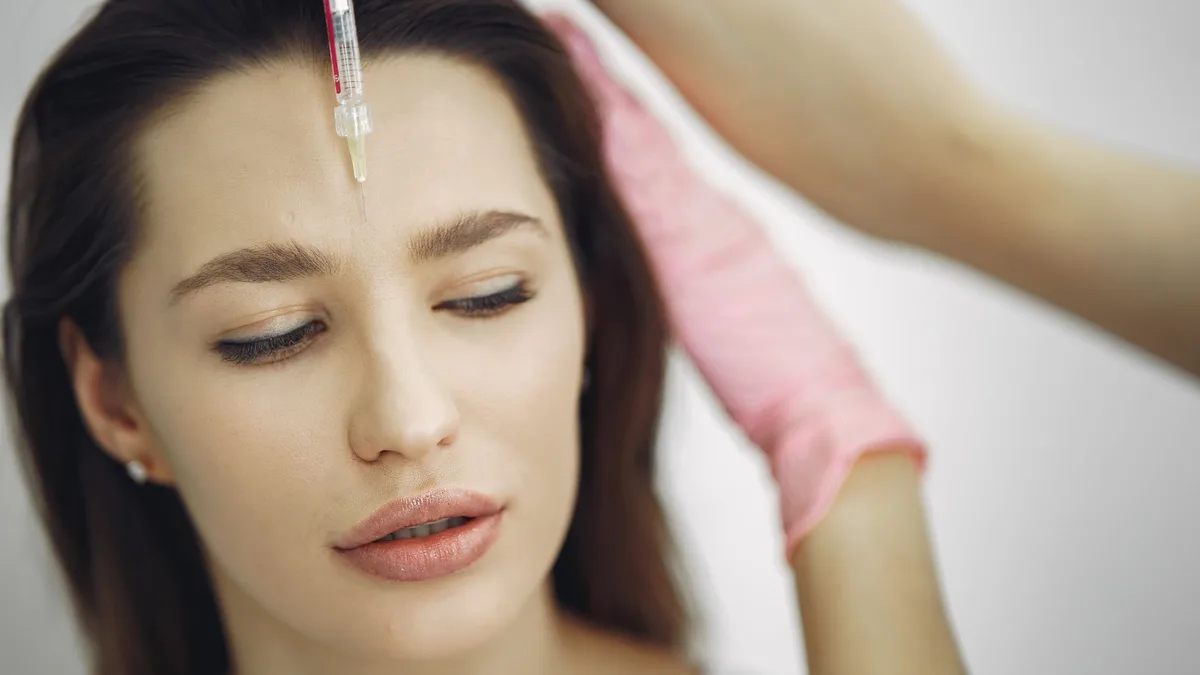
Botox is a purified form of botulinum toxin that, injected in tiny, controlled amounts, temporarily blocks the nerve signals to specific muscles. When those muscles cannot fully contract, the expression lines they create — such as forehead lines, frown lines and crow’s feet — soften and smooth. Crucially, it works on dynamic lines caused by movement, which is why it is used preventatively and correctively for expression lines rather than for deep static wrinkles or sagging, which need other approaches.
How Long It Lasts
Botox is temporary, which is part of its appeal and its commitment. Results typically appear within a few days to two weeks and last around three to four months before the muscle action gradually returns and the effect fades. Maintaining the result means repeating the treatment a few times a year. Some people find that, over time and with regular treatment, they need it slightly less often. Because it wears off, an unsatisfactory result is not permanent — but it also means ongoing cost and appointments.
What to Expect
The procedure itself is quick, often ten to fifteen minutes, using very fine needles, with most people describing only a brief pinch. There is little to no downtime, though minor bruising, redness or swelling at the injection sites can occur and settle quickly. You will usually be advised to avoid rubbing the area, lying down flat or strenuous exercise for a short period afterwards. A good practitioner starts conservatively — you can always add more, but you cannot remove it until it wears off.
Questions to Ask Your Practitioner
- Are you medically qualified and insured to inject? This is a prescription treatment and should be treated as medical.
- What product are you using, and is it a regulated brand?
- What results are realistic for my face, and what are the risks and side effects?
- What happens if I’m unhappy or something goes wrong?
Safety and Realistic Expectations
Botox is generally considered safe in qualified hands, but it is not risk-free, and complications — from uneven results to, rarely, more serious effects — are far more likely with untrained injectors. Avoid it if pregnant or breastfeeding, and disclose your full medical history. The best results look like a well-rested version of you, not a different, frozen face; if your practitioner is promising to erase every line, be cautious. Subtlety and skill, not maximum product, define good work.
Botox in Context
Botox addresses movement lines, but it does not replace skincare or add volume. It often sits alongside a solid anti aging skincare routine for overall skin quality, and some people combine it with lip fillers or other treatments for different concerns. Thinking of it as one tool among several, rather than a cure-all, leads to the most natural results.
The Takeaway
Botox is a temporary, well-researched treatment that softens expression lines — but it is a medical procedure whose results depend entirely on a skilled, qualified injector. Understand that it fades in months, ask the right questions, keep expectations natural, and never treat it as a casual beauty buy. In the right hands and with realistic goals, it is a considered choice; in the wrong ones, a real risk.