
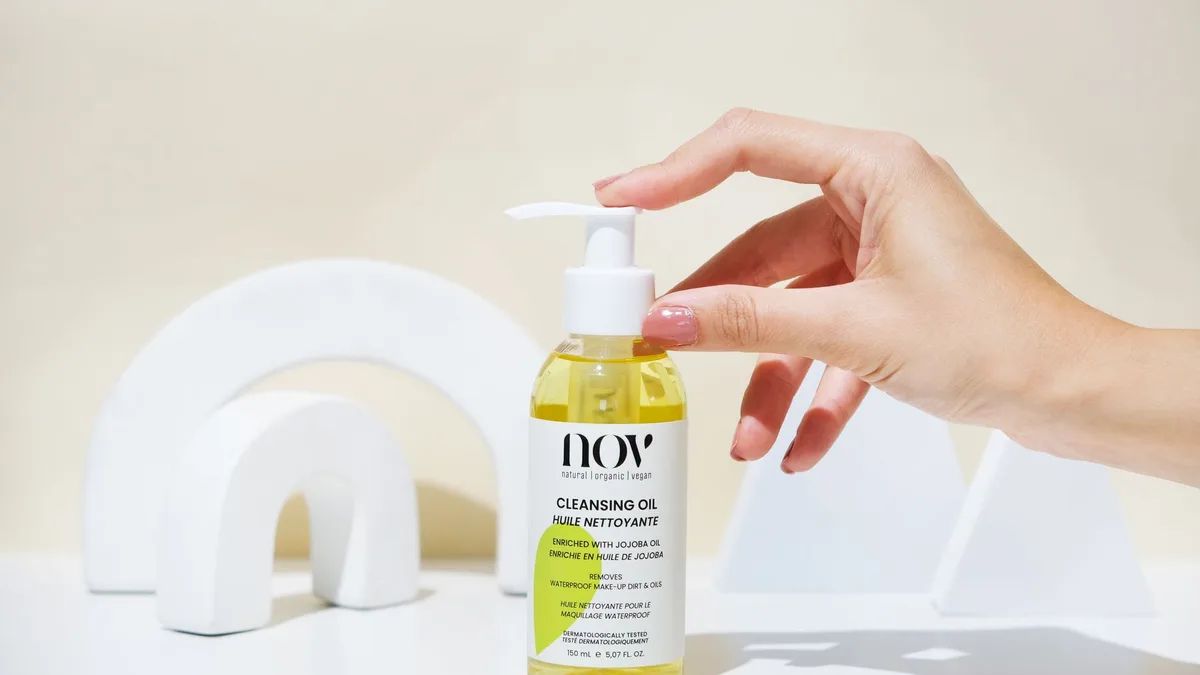
They sit side by side on every skincare shelf, both promising to whisk away your makeup at the end of the day: the cleansing oil and the bottle of micellar water. They look like they do the same job, and up to a point they do — but they work in genuinely different ways, and choosing the wrong one for your skin or your makeup is why some people end up with residue and others with tightness. Settling the cleansing oil versus micellar water question is a useful chapter in our face cleansing routine, so let us compare them properly.
How Each One Works
A cleansing oil works on the oil-dissolves-oil principle: its oils bind to the oils in your makeup, sunscreen and sebum, then emulsify with water so you rinse everything away. Micellar water works differently — it contains tiny molecules called micelles that act like magnets, one end grabbing oil and dirt while suspended in water, lifting grime onto a cotton pad with no rinsing needed. One melts makeup off and washes away; the other lifts it onto a pad. That difference explains almost everything about when to use which.
Which Removes Makeup Better?
For heavy, long-wear or waterproof makeup, a cleansing oil generally wins — it dissolves stubborn products more completely and rinses them fully away, leaving less behind. Micellar water is excellent for light makeup, quick clean-ups and removing eye makeup gently, but with a full, heavy face it can require pad after pad and still leave a trace. So if you wear a lot of makeup or plenty of SPF, oil is the more thorough remover; for a light or no-makeup day, micellar is quick and convenient.
Pros and Cons at a Glance
- Cleansing oil: thorough, great for heavy makeup and dry skin, nourishing — but needs rinsing and can feel like too much for a quick clean.
- Micellar water: fast, no-rinse, travel-friendly, gentle for light makeup — but less thorough for heavy makeup and can leave residue if not followed up.
A Note on Micellar Residue
One thing people forget: because most micellar waters are designed to be left on, the cleansing agents and lifted dirt can sit on the skin. For a proper clean, it is best to rinse your face or follow with a water-based cleanse after using micellar water, rather than leaving it on overnight. Treat it as a first step or a convenience rather than a complete cleanse and it serves you far better.
Do You Have to Choose?
Not at all. Many people keep both: a cleansing oil or cleansing balm for full makeup days, and micellar water for quick clean-ups, travel or low-makeup mornings. Whichever you use as your oil-based first step, follow it with a gentle foaming cleanser to complete a proper double cleanse and remove any last residue.
The Takeaway
Cleansing oil and micellar water are not really rivals — they are tools for different jobs. Reach for oil to thoroughly melt heavy makeup and sunscreen, and micellar water for a quick, gentle, on-the-go lift. Just remember to rinse or follow up after micellar, and let your makeup load and skin type decide which one earns the everyday spot.