For some men, shaving comes at a real cost: sore, red, bumpy skin, painful ingrown hairs, and a neck that looks irritated for days. Razor bumps and ingrown hairs are among the most common and most frustrating grooming problems, especially for men with curly or coarse hair, and they are often made worse by exactly the shaving habits meant to give a closer result. The good news is that they are largely preventable and treatable once you understand what causes them. This is a genuinely important part of our men’s grooming guide. It is general information, not medical advice.
What Causes Razor Bumps
Razor bumps and ingrown hairs happen when a shaved hair curls back and grows into the skin instead of out of it, or when it is cut so short it retracts below the surface and grows sideways, causing inflammation, redness and small painful bumps. Curly and coarse hair is far more prone to this, because the naturally curved hair is more likely to re-enter the skin. Shaving too closely, against the grain, with a dull blade, or over dry skin all make it worse, which is why chasing the closest possible shave often backfires into irritation.
Prevention Is Everything
- Don’t shave too close — avoid going against the grain and pressing hard; a slightly less close shave dramatically reduces bumps.
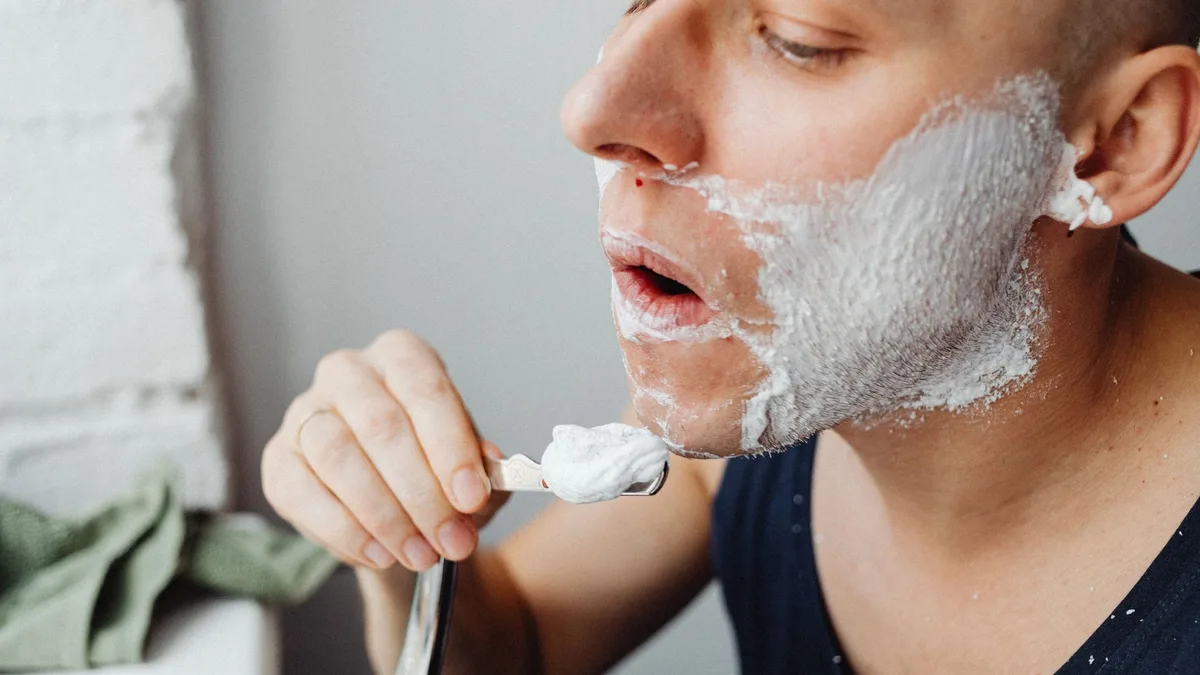
- Prep and lubricate with warm water and a good shaving cream, and use a sharp, clean, single or fewer-blade razor.
- Exfoliate regularly to free trapped hairs and clear dead skin that blocks follicles.
- Moisturise and soothe after shaving, and consider shaving less often to let skin recover.
Treating Existing Bumps
If you already have razor bumps, the first rule is to stop shaving over the irritated area and give it time to calm down. Gentle exfoliation can help release trapped ingrown hairs, and soothing, anti-inflammatory products reduce the redness and swelling. Ingredients used for breakouts, like salicylic acid, can help exfoliate and clear the bumps — a crossover with our acne treatment skincare approach. Crucially, do not dig out ingrown hairs with a needle or squeeze the bumps, which causes scarring and infection; if one is close to the surface, gently coax it free after exfoliating.
When to Change Your Approach
For some men, the most effective solution is to shave less closely, less often, or to grow a short beard and maintain it with a trimmer set to leave a little length — since a hair that is not cut below the skin cannot become ingrown. Electric trimmers that leave slight stubble are far kinder to bump-prone skin than a close wet shave. If bumps are severe, persistent, infected or scarring, it is worth seeing a doctor or dermatologist, who can offer stronger treatments and rule out anything more serious.
The Takeaway
Razor bumps and ingrown hairs come from hairs growing back into over-shaved skin, and they are largely preventable: shave less close and with the grain, prep and use a sharp blade, exfoliate, and soothe afterwards. Treat existing bumps by pausing shaving, exfoliating gently and calming the skin — never digging them out. For stubborn cases, a trimmer that leaves stubble, or a doctor’s advice, is the answer.