
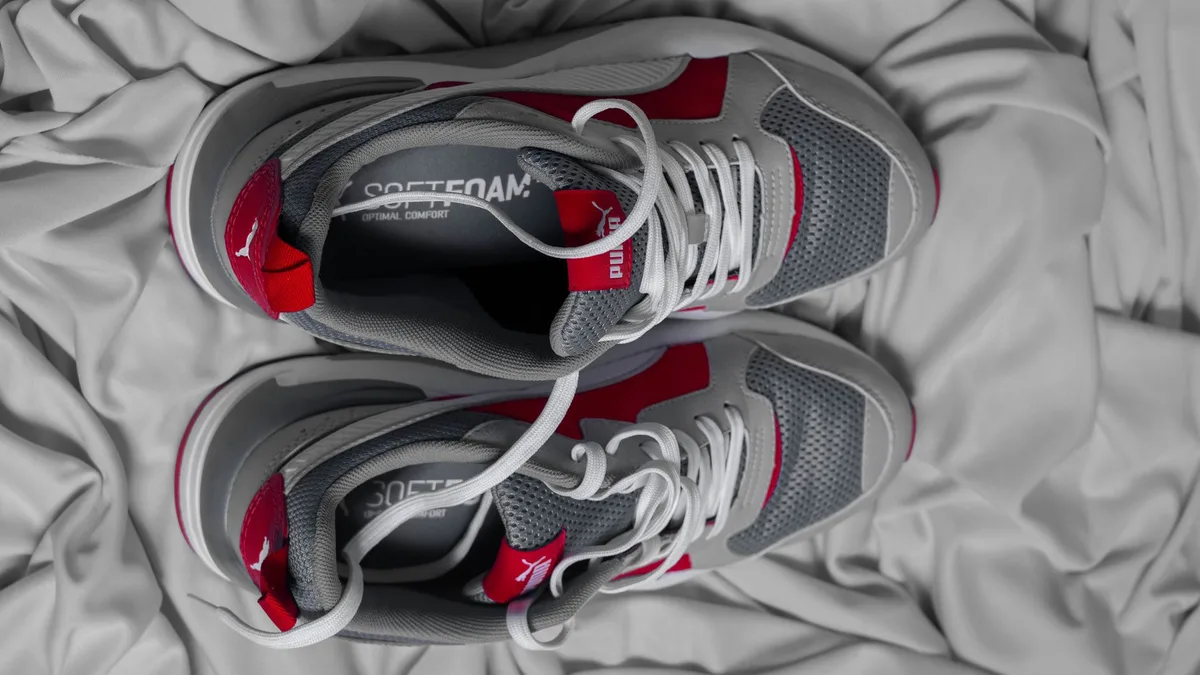
For a decade, 3D-printed footwear was a press release: a concept shoe, a limited run of 100 pairs, a number nobody could buy. In 2026 that changed. Adidas sells printed-midsole trainers at the same price as an UltraBoost, On sprays a running upper in minutes with a robot arm, and Zellerfeld prints entire shoes in one piece with no glue at all.
AI shoes is the label that has stuck to all of this, and it bundles together three genuinely different technologies. This is what each one actually does, what you can buy today, what it costs, and which of the sustainability claims survive scrutiny.
Three Technologies, One Buzzword
Almost every confusing article on this subject comes from mixing these up. They are separate, and a shoe may use one, two or all three.
| Technology | What it does | Where you see it |
|---|---|---|
| Generative design and simulation | Software runs thousands of lattice structures against performance targets and proposes geometries a human would not draw by hand | Printed midsoles; the “AI” part of the label |
| Foot scanning | Captures the actual shape of your foot rather than a length measurement, for fit and personalisation | Phone-based scanning, in-store scanners, custom platforms |
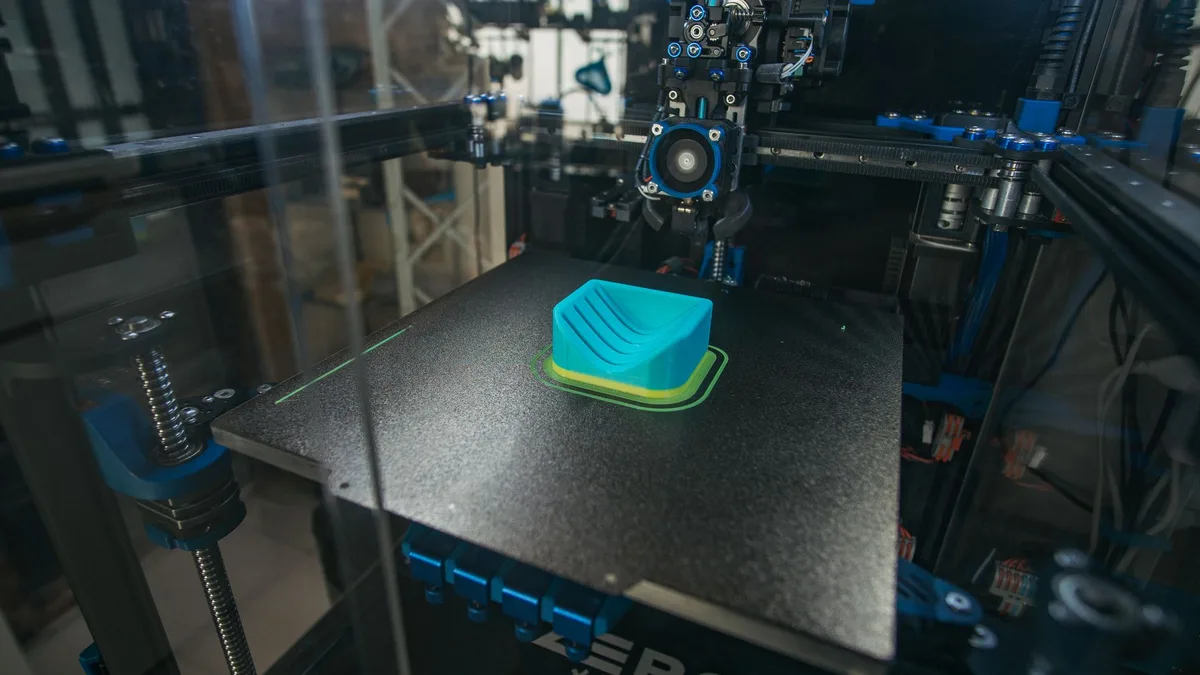
| Additive manufacturing | Builds the part directly — printed lattice, fully printed shoe, or sprayed filament upper | Adidas 4D, Zellerfeld, On LightSpray |
Only the third is visible in the product. The first two are how it gets designed and fitted.
What You Can Actually Buy in 2026
1. Printed midsoles, ordinary uppers
The mainstream option. Adidas 4D uses a 3D-printed lattice midsole tuned by data-driven design, with a conventional textile upper on top. The lattice is where the cushioning behaviour lives — a printed structure can be stiffer in one zone and softer in another in a way foam cannot easily match.
- Price: mass-produced 4D models sit around $120–$200 — genuinely comparable to Air Max or UltraBoost pricing, which was not true even two years ago.
- Availability: normal retail, normal sizes, no waiting list.
- Coming: Adidas has said a 3D-printed basketball shoe will land before the end of 2026, previewed on court in March.
- Others: New Balance, Under Armour and Reebok all now use printed components in performance models.
2. Fully printed, one-piece shoes
Zellerfeld is the clearest example: the entire shoe printed from a single flexible material, typically TPU, in one piece. No glue, no stitching, no assembly line of separate components — which matters more than it sounds.
- No glue means recyclable. Conventional trainers bond leather, foam, rubber and textile with adhesives, which is precisely why they cannot be recycled. A single-material shoe can be ground down and reprinted.
- Modularity. Their 2026 approach lets you remove a worn outsole and send it back for a discount on replacement modules — repair as a business model rather than a marketing line.
- It is a design platform. Zellerfeld prints for outside designers, which is why the output looks nothing like conventional footwear — printing removes the manufacturing constraints that shaped shoe design for a century.
- The trade-off: the aesthetic is polarising, and a single material has to do jobs that four materials used to share.
3. Sprayed uppers
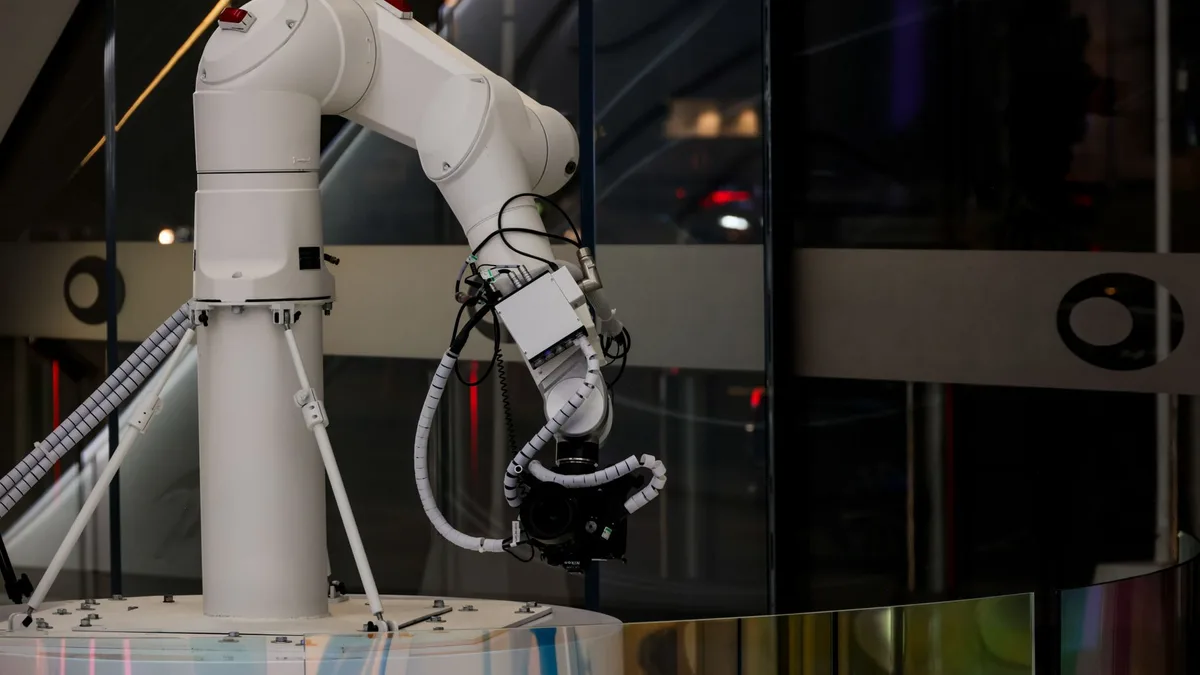
The most striking of the three. On’s LightSpray uses a single robot arm to spin one 1.5km filament into a seamless, elastic mesh upper in a matter of minutes — no laces, no seams, no stitched panels, and therefore no hot spots.
- Debuted on the Cloudboom Strike LS racing shoe, with a next-generation Cloudboom Strike 2 and automated LightSpray following.
- The brand states it fits true to size, and that the upper subtly adapts to your foot shape over time without going loose.
- The stated direction of travel is scan-and-spray: a scanned foot producing a made-to-measure upper with near-zero waste and far fewer returns.
- Because the upper is made in one step rather than cut-and-sewn from panels, offcut waste largely disappears.
What It Costs
| Type | Typical price | Who it suits |
|---|---|---|
| Printed-midsole mainstream (Adidas 4D and similar) | £100–£180 / $120–$200 | Anyone — this is now normal trainer money |
| Fully printed one-piece shoes | Premium, varies by drop and designer | Early adopters, design-led buyers |
| Sprayed-upper race shoes | Top-tier racing price | Competitive runners chasing weight and fit |
| Bespoke scanned-and-printed | Highest, and still limited | People with fit problems money can solve |
The headline shift is the first row. When a printed midsole costs the same as a foam one, the technology stops being a novelty and starts being a supply chain decision.
Do They Actually Fit Better?
A note on a claim you will see everywhere: various articles assert that some large percentage of people wear the wrong shoe size. That figure is repeated constantly and sourced almost never, so it is not quoted here.
What can be said with more confidence:
- Conventional sizing is one-dimensional. Length gets a number, width sometimes gets a letter, and everything else — instep height, arch, toe splay, one foot larger than the other — is ignored.
- Scanning captures shape, not just size, which is the actual advantage. It is also why the technology matters most to people at the edges of the size distribution, who have always been served worst.
- Seamless construction removes the classic failure points. Blisters and hot spots usually happen where panels are stitched or bonded together; a sprayed or printed upper has neither.
- Returns are the commercial driver. Online footwear return rates are brutal, and every avoided return is margin plus a shipping journey saved. That is why brands are investing, whatever the marketing says about personalisation.
The Sustainability Claims, Honestly Assessed

| Claim | Verdict |
|---|---|
| “No glue means recyclable” | Largely fair. Adhesives are the main reason conventional trainers are unrecyclable; a single-material shoe genuinely can be reprocessed |
| “Less waste in manufacturing” | Fair. Additive processes add material rather than cutting it away, so offcuts mostly disappear |
| “Made on demand, so less overproduction” | Fair in principle — unsold stock is a huge part of fashion’s footprint — but only if brands actually print to order rather than warehousing |
| “Local production cuts shipping” | Promising, unproven at scale. Very few printed shoes are yet made near the customer |
| “Sustainable material” | Careful here. TPU is still a plastic, printing uses energy, and recyclability only counts if take-back schemes are used |
The honest summary: the recyclability and waste arguments are real and structural. The “green shoe” framing is ahead of the evidence, and depends entirely on whether the take-back and reprint loops get used by ordinary customers rather than enthusiasts.
What Is Still Not Solved
- Durability data is thin. Foam midsole behaviour over 500 miles is well understood; printed lattice at scale, less so.
- Bespoke is still expensive. Scanned, made-to-measure footwear remains a premium product rather than a default.
- Style is polarising. Printing frees designers from manufacturing constraints, and the results often look it.
- Repair depends on the brand surviving. A modular shoe is only repairable while its maker still prints the modules.
- Scanning infrastructure is patchy. Phone scanning is improving but is not yet consistent enough to replace trying shoes on.
Should You Buy a Pair?
- Yes, straightforwardly — if you were going to spend £100–£180 on trainers anyway. A printed midsole at that price is a normal purchase with an unusual structure inside it.
- Yes, if you race — a seamless sprayed upper is a genuine weight and comfort gain at the sharp end.
- Yes, if conventional shoes never fit you — this is the group with most to gain, and the reason the technology matters beyond novelty.
- Wait — if you want proven long-term durability, or you buy footwear conservatively and want it to look conventional.
- Do not buy on the environmental claim alone until you have checked whether the brand’s take-back scheme actually operates in the UK.
Frequently Asked Questions
Are AI shoes and 3D-printed shoes the same thing?
No. “AI” usually refers to the generative design software that produces the lattice geometry, or to scanning and fit algorithms. 3D printing is the manufacturing method. Many shoes use printing without any meaningful AI, and some AI-designed products are made conventionally.
How much do 3D-printed trainers cost?
Mainstream printed-midsole models run about $120–$200, which is standard performance-trainer pricing. Fully printed and bespoke options cost considerably more.
Are they comfortable?
Generally yes, and seamless uppers remove the stitched panels where blisters usually start. Printed midsoles feel different from foam — more responsive, less plush — which some runners prefer and others do not.
Can 3D-printed shoes be recycled?
Single-material printed shoes genuinely can be, because there is no glue bonding different materials together. Hybrid shoes with printed midsoles and textile uppers face the same recycling problem as any other trainer.
Will they replace normal shoes?
Not soon, and not entirely. What is likely is that printed components become normal inside conventional-looking shoes — which, at Adidas 4D pricing, has already started happening.
The Bottom Line
2026 is the year this stopped being a concept. A printed midsole now costs what a foam one costs, a robot can spray a running upper in minutes, and a whole shoe can be printed in one piece with no glue in it.
The genuine breakthroughs are structural rather than magical: no adhesives means recyclable, additive means less waste, and scanning means fit based on the shape of your foot rather than a number on a box. Buy for those reasons, and treat the greener-planet marketing as a promise still being tested.
Prices and product details were correct at the time of writing and change frequently; availability varies by market.