
What does an EKG tech do? With heart disease remaining one of the leading causes of death worldwide, accurate cardiac testing has never been more critical. Yet most patients never see the professionals behind these life-saving results. That’s where EKG technicians come in. They perform essential heart-monitoring tests that help doctors detect irregular heart rhythms and serious cardiovascular conditions early—often before symptoms become severe. In this guide, you’ll learn exactly what an EKG tech does, the skills required, where they work, and why this fast-growing healthcare role is attracting so much attention.
What Does an EKG Tech Do?
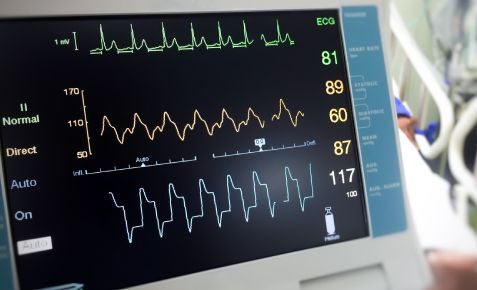
An EKG technician performs electrocardiograms (EKGs or ECGs), which are non-invasive tests that measure the heart’s electrical signals. These tests help identify problems such as arrhythmias, heart attacks, and coronary artery disease.
But the job isn’t just about pressing buttons and watching lines move across a screen. EKG technicians work directly with patients—many of whom are anxious, nervous, or convinced something is very wrong after one Google search.
Their job is to run accurate tests, keep patients calm, and deliver clean, reliable data to physicians who will interpret the results.
Core Responsibilities of an EKG Technician
EKG technicians wear multiple hats (thankfully not surgical ones). Their daily responsibilities often include:
- Explaining EKG procedures to patients in plain language
- Positioning patients correctly and placing electrodes on the chest, arms, and legs
- Operating EKG machines to capture heart activity
- Monitoring patients during testing for irregular rhythms or signs of distress
- Performing resting EKGs and assisting with stress tests when needed
- Setting up and managing Holter monitors and other portable heart-monitoring devices
- Reviewing recordings for quality before submitting them to physicians
- Documenting results accurately in medical records
- Cleaning, maintaining, and calibrating EKG equipment
- Scheduling tests and assisting with basic administrative tasks
- Following healthcare safety, privacy, and infection-control protocols
Important note: EKG technicians do not diagnose heart conditions. They provide the data. Doctors connect the dots.
Skills Required to Become an EKG Tech
This role is a mix of technical precision and human connection.
Technical Skills
- Basic understanding of heart anatomy and rhythms
- Ability to operate EKG machines and monitoring devices
- Familiarity with medical terminology
- Strong attention to detail (because hearts don’t appreciate guesswork)
Soft Skills
- Clear communication skills for explaining procedures
- Empathy and good bedside manner for nervous patients
- Physical stamina for standing and moving throughout the day
- Ability to stay calm in fast-paced or high-pressure situations
If you’re good with technology and people, this role hits a sweet spot.
Where Do EKG Technicians Work?
EKG technicians aren’t locked into one type of workplace. Most commonly, they work in hospitals, but they’re also found in:
- Cardiology clinics
- Outpatient diagnostic centers
- Long-term care facilities
- Physician offices and private practices
Hospitals tend to be fast-paced, while clinics and outpatient centers may offer more predictable schedules. Either way, you’ll spend less time behind a desk and more time doing meaningful work.
Why the EKG Tech Role Is Trending Right Now
Let’s talk trends—because this job didn’t get popular by accident.
- Heart disease is still one of the leading health concerns worldwide
- Healthcare systems need skilled support staff—fast
- Many people want healthcare careers without 8+ years of school
- Diagnostic roles are less burnout-heavy than some bedside positions
EKG technician roles sit right at the intersection of demand, speed, and stability, which is why interest in this career keeps growing.
Education and Training Requirements
To become an EKG technician, most employers require a high school diploma or GED. Many candidates complete additional training through:
- Short-term certificate programs
- Associate degree programs with clinical experience
- On-the-job training provided by healthcare facilities
Most programs focus on anatomy, physiology, patient care, medical ethics, and hands-on EKG practice. Translation: you learn what you actually need for the job—no unnecessary fluff.
Certification and Career Growth
While certification isn’t always mandatory, it’s often preferred and can improve job opportunities. Certified EKG technicians may also qualify to assist with advanced testing, such as stress tests and long-term heart monitoring.
With experience and additional education, EKG technicians can advance into roles like:
- Cardiovascular technologist
- Cardiac monitoring specialist
- Cardiac sonographer
- Nursing or other allied healthcare careers
Think of EKG tech as a launchpad, not a dead end.
Is Becoming an EKG Tech a Good Career Choice?
If you want:
- Fast entry into healthcare
- Hands-on patient interaction
- A role that actually matters
- Room to grow without burning out
Then yes—becoming an EKG technician is a solid career move.
It’s especially appealing for people who like structured work, medical technology, and the satisfaction of knowing their job helps save lives (even if patients never see you as the hero).
Conclusion
Understanding what does an EKG tech do makes it clear why this role is both essential and increasingly popular. EKG technicians perform critical heart-monitoring tests, support physicians with accurate diagnostic data, and help ensure patient safety during cardiac evaluations. With accessible training, strong demand, and long-term career potential, this profession offers a practical and meaningful path into healthcare—no stethoscope drama required.
Frequently Asked Questions (FAQs)
Q: What does an EKG tech do on a daily basis?
A: An EKG technician prepares patients for heart tests, places electrodes, operates EKG machines, monitors heart activity, and records results for physician review. Daily tasks may also include managing portable heart monitors, assisting with stress tests, maintaining equipment, and handling basic administrative duties.
Q: Is an EKG technician the same as a cardiac technician?
A: No. EKG technicians focus on electrocardiograms and basic heart monitoring, while cardiac or cardiovascular technicians usually have additional training and perform more advanced procedures.
Q: Do EKG technicians diagnose heart problems?
A: No. EKG technicians collect accurate test data, but physicians and cardiologists are responsible for diagnosing conditions and planning treatment.
Q: How long does it take to become an EKG technician?
A: Many EKG technicians complete training in a few months to one year, depending on the program and employer requirements.
Q: Is becoming an EKG tech a good career choice?
A: Yes. It offers fast entry into healthcare, strong demand, hands-on patient interaction, and opportunities for career advancement.
Q: Where do EKG technicians usually work?
A: EKG technicians typically work in hospitals, cardiology clinics, outpatient diagnostic centers, long-term care facilities, and physician offices.
Q: What skills are most important for an EKG technician?
A: Attention to detail, communication skills, empathy, technical proficiency with EKG equipment, basic anatomy knowledge, and physical stamina are essential.
Q: Can EKG technicians advance their careers?
A: Yes. With experience and additional education, EKG technicians can move into advanced cardiac roles or other allied healthcare professions.