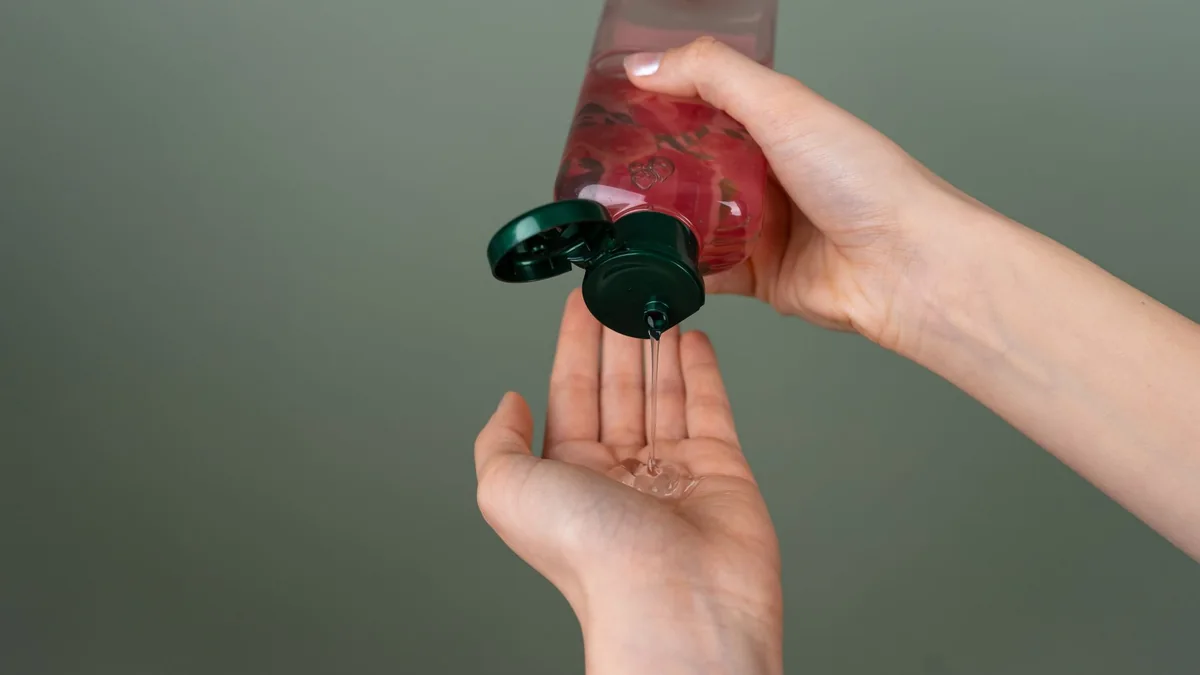
Gel has the worst reputation of any styling product and by far the best performance. A good frizz control gel will hold a style through a rainy commute, keep curl definition alive for three days, and protect the hair underneath it — and it does all that through a mechanism most people have never had explained to them.
Here is that mechanism, along with how to pick a hold level, how to get a cast in the first place, how to break it without creating frizz, and how to stop the flaking that makes people give up on gel entirely.
How Gel Actually Works
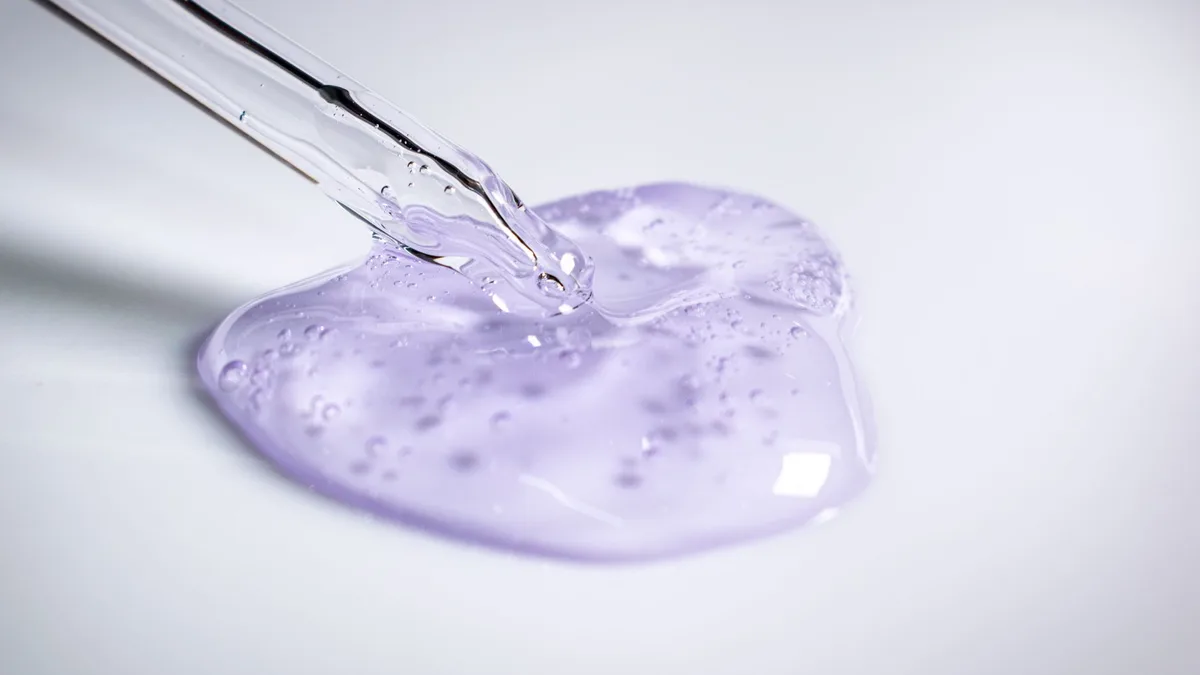
Gel is water plus film-forming polymers — PVP, VP copolymers, polyquaterniums — often alongside plant film-formers like flaxseed mucilage, xanthan gum and aloe. You apply it wet, and as the water evaporates those polymers knit into a thin, continuous film over the strand.
Two things happen as that film dries, and they are the whole story:
- The film shrinks slightly. That contraction pulls the curl a little tighter, which is why gel defines rather than simply holds. It is also why gelled curls look springier than cream-only curls on the same head.
- The film seals. A continuous coating over the cuticle is a physical barrier against atmospheric water, wind and friction — the only thing on the shelf that genuinely blocks humidity.
The crunchy shell this leaves behind is the cast. It is not a mistake, it is not the gel being “too strong”, and it is not something to be avoided. It is a cocoon protecting the shape while it sets, and it comes off at the end.
Choosing a Hold Level
| Hold | Cast | Best for |
|---|---|---|
| Light / flexible | Soft, barely noticeable | Fine hair, low porosity, loose 2A–2C waves. Movement is high, longevity is low |
| Medium | Definite but easy to break | Most 3A–3C curls, medium porosity, low-density hair. The safe default |
| Strong / hard | Firm, obvious, audible | Coarse or dense hair, 4A–4C coils, high porosity, and waves that drop by lunchtime |
Note that hold should be chosen by porosity and density, not just curl number. A fine 3B head and a coarse 3B head need different gels. And counter-intuitively, wavy hair that keeps falling flat often needs a stronger gel than curly hair does — there is less natural structure holding the shape up.
Ingredients worth having: flaxseed, xanthan gum, aloe, polyquaterniums, glycerin in moderate amounts. Ingredients worth checking: alcohol denat, isopropyl alcohol or SD alcohol high in the list, which dry the hair as they speed up the set.
How to Apply It

Gel goes on soaking wet hair, last in the styling order — after your leave-in and after your curl defining cream. No waiting between layers.
- Rake and scrunch — fingers through, then scrunch upward. Fastest, gives the most volume, slightly less definition.
- Praying hands — flat palms sliding down each section. Maximum definition and shine, least volume.
- Shingling — coating each curl individually. Slow, precise, and lasts the longest; usually reserved for tighter patterns.
You want an audible squelch as you scrunch — that sound is water and gel emulsifying together, and it is the best indicator you have used enough of both. Then plop for 10 to 20 minutes (longer starts to disturb the forming cast), and dry: air-dry for the sleekest result, diffuse on low heat and low speed for volume.
Why You Never Get a Cast
If your hair dries soft and undefined and you have never experienced the crunch everyone talks about, it is one of these six things — in rough order of likelihood.
- Not enough gel. Most people use a fraction of what their density requires. Increase gradually, one extra pump per wash, until you feel a cast.
- Too much cream underneath. A heavy layer of leave-in and styling cream forms a barrier the gel cannot bind to. Reduce the base layers before you buy a stronger gel.
- Product buildup. Residue stops the film adhering to the strand. Clarify, then try again — this is the fix that surprises people.
- Hair too wet, in the wrong way. Gel needs water to spread, but water actively dripping off the hair dilutes the polymer below the concentration it needs. Blot for ten seconds first if it is streaming.
- You touched it while drying. Every contact breaks the film as it forms. Hands off from application until fully dry.
- Over-plopping. Beyond about twenty minutes the towel is disrupting the set rather than helping it.
Scrunching Out the Crunch, Properly
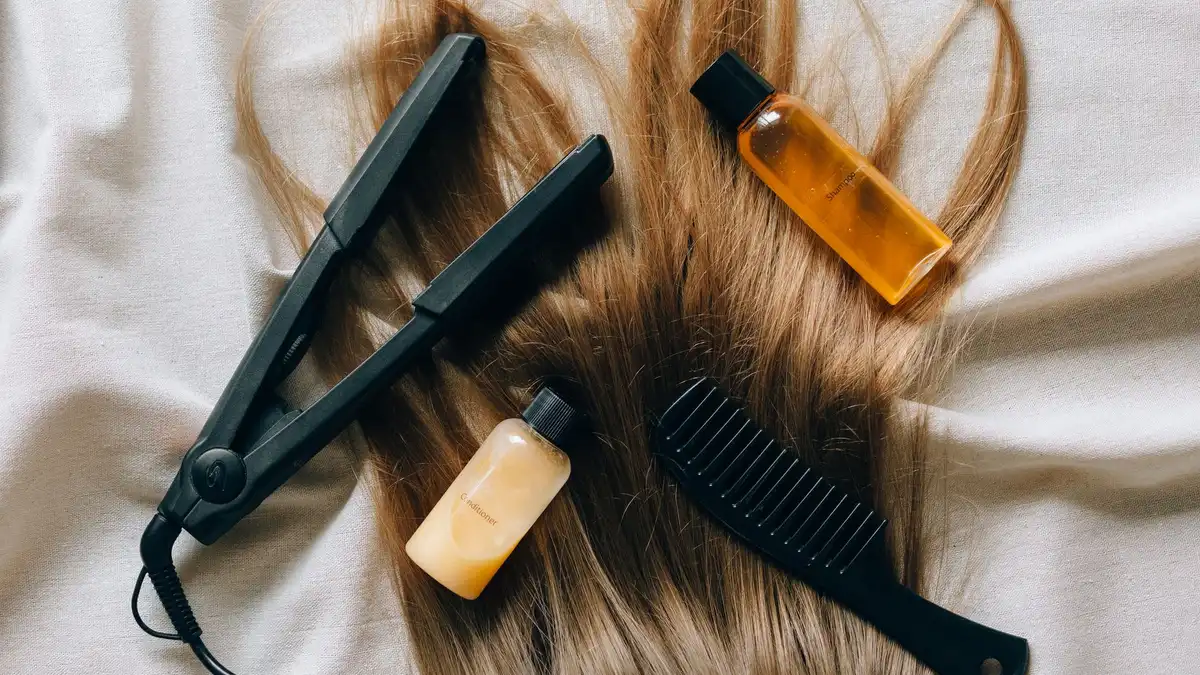
- Wait until the hair is 100 per cent dry — and cool. Check at the roots and inside the thickest clumps. Cool to the touch means dry; still slightly cold and heavy means damp. Breaking a cast early is the single biggest cause of frizz in curly routines.
- One or two drops of a lightweight oil, emulsified across both palms. That is the maximum. Heavy oils over-soften the cast, which produces exactly the frizz you were trying to prevent.
- Scrunch upward with open hands, from the ends towards the scalp. Squeeze, do not pull. Work around the head, concentrating on the firmest areas.
- Flip and lift. Head upside down, gentle shake, then lift at the roots with fingertips or a pick — never rake through the lengths.
- Consider a partial release. Scrunch out only the top layer and leave the underneath crunchy; the remaining cast keeps your definition alive for an extra day.
A silk or satin scarf rubbed lightly over the surface is an excellent alternative to oil for anyone whose hair goes greasy quickly.
Flaking: Causes and Fixes
White specks are the number one reason people abandon gel. They are almost never the gel’s fault on its own.
| Cause | Test | Fix |
|---|---|---|
| Product incompatibility — the polymers in your gel and the ingredients in your leave-in refuse to mix | Rub a little of each together on the back of your hand. If they pill or go white there, they will on your head | Change one of the two products, not both |
| Too much product, too little water | Was there a squelch when you scrunched? | Wetter hair, less gel, emulsify in wet palms |
| Applied over dry or buildup-heavy hair | Does the hair feel coated before you start? | Clarify, then apply to properly wet, conditioned hair |
| Heavy oils or butters underneath | Are you layering an oil under the gel? | Move oils to the SOTC stage instead |
| Layering two strong-hold products | Gel over mousse over cream? | Pick one hold product, keep the rest moisturising |
Gel and the British Climate

- The cast is your humidity barrier. On a muggy day, keep more of it — do a partial SOTC, or skip it entirely if you are heading straight out in drizzle.
- Watch the glycerin in summer. Humectant-heavy gels pull atmospheric moisture into the hair when the air is wetter than the strand, which swells it and undoes the definition. Keep a lower-glycerin gel for the muggy months.
- Chelate monthly. Hard water is standard across most of England, and mineral deposits genuinely degrade how well a gel film forms. If your reliable gel has stopped working and nothing else changed, this is usually why.
- Winter is the opposite problem — dry indoor air, static, a brittle cast. Use a softer hold, add moisture underneath, and break the cast more thoroughly.
What to Buy in the UK
- Budget, high street: Herbal Essences Totally Twisted scrunching gel (strong hold, colour-safe) and Umberto Giannini Curl Jelly (medium hold, the cult Boots option). Both under a tenner and genuinely competent.
- British curl specialists: Bouclème’s Curl Defining Gel around £17 for medium hold, or the Super Hold Styler around £19 when you need the cast to survive a coastal wind.
- For a strong cast without buildup: lightweight liquid “jelly” gels — Curlsmith’s flexi-jelly style formulas, or fragrance-free strong hold options for sensitive scalps.
- For coils and maximum definition: strong-hold gels with flaxseed, chia and castor oil; Rizos Curls’ strong hold is the flake-free reference point.
- For damaged or coloured curls: a bond-building curl gel that shapes and treats at once.
Prices sit roughly between £8 and £25 for 200–300ml, and the expensive ones mostly buy you better feel and fewer flakes rather than better hold.
Frequently Asked Questions

Is a crunchy cast bad for my hair?
No — it is the product doing its job. The cast holds the shape and shields the hair from humidity and friction while it dries, and it comes off when you scrunch. The only mistake is leaving it un-broken and then brushing it, which snaps the film and the hair together.
Can I use gel on straight or wavy hair?
Yes. Waves benefit enormously — a light gel scrunched into wet hair keeps a wave from dropping into a limp bend by mid-afternoon. On straight hair, gel is for hold and slickness rather than definition; use it sparingly and only where you need it.
Gel or mousse for frizz?
Gel, if frizz is the priority — it forms a more complete film. Mousse is lighter and better for volume on fine hair. Many people use both: mousse for lift, gel over the top for the barrier.
Why does my gel work in winter and fail in summer?
Glycerin. In damp summer air, a humectant-heavy gel draws water into the strand and the swelling undoes your definition. Switch to a lower-glycerin formula for the muggy months and keep the cast on for longer.
How long does a gelled style last?
Two to four days with a decent cast, a silk pillowcase and a loose pineapple at night. Refresh in between with water rather than more gel — reapplying gel to dry hair is a fast route to flaking and buildup.
The Bottom Line
Gel is the only styling product that physically seals the hair against British weather, and the crunch everyone fears is simply that seal setting. Match the hold to your density and porosity, apply it to soaking-wet hair over a light cream base, use enough that you hear it, leave it alone until it is bone dry, then scrunch it out with two drops of oil.
If it flakes, do the palm test before blaming the gel. And on the wettest days, keep the cast — it is doing more for your hair than any anti frizz serum can. For the full picture, see our guides to anti frizz hair products, humidity resistant hair spray and the wider curly hair products routine.