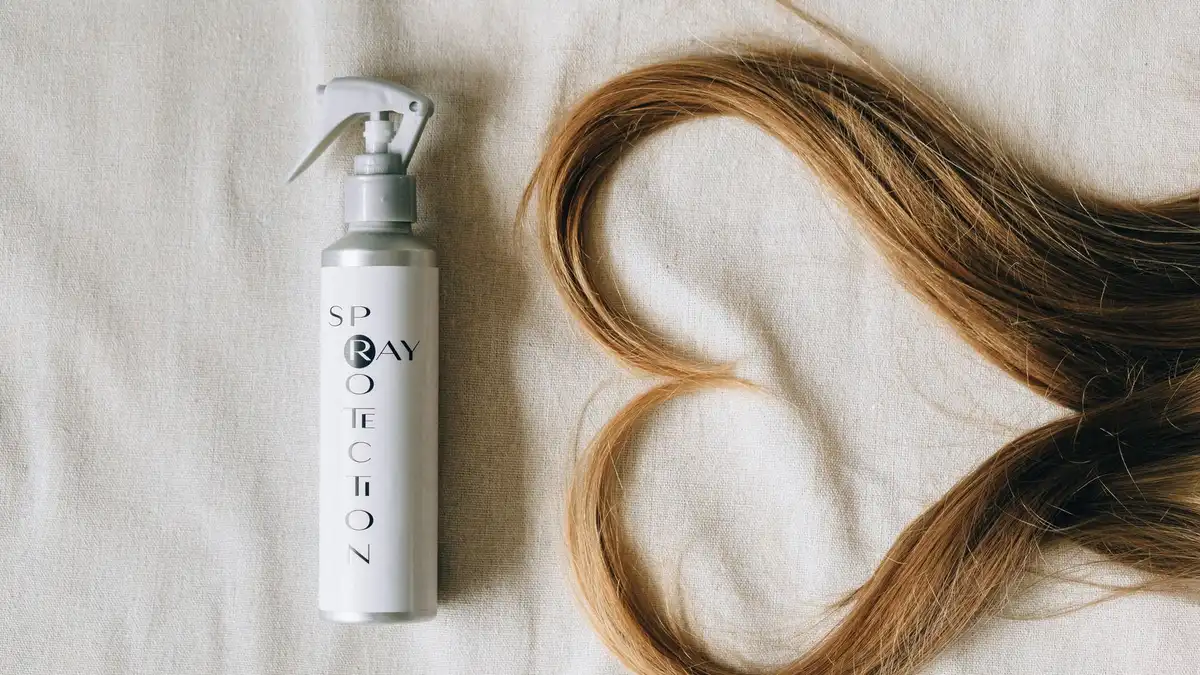
Heat protectant spray is the twenty seconds people skip when they are late — and the reason so many of us have hair that is beautifully styled at the top and increasingly frayed by the ends. It is also, to be honest about it, a product that does considerably less than the packaging implies. Both things are true, and understanding why is what turns a bottle of spray into an actual strategy.
What Heat Actually Does to Hair
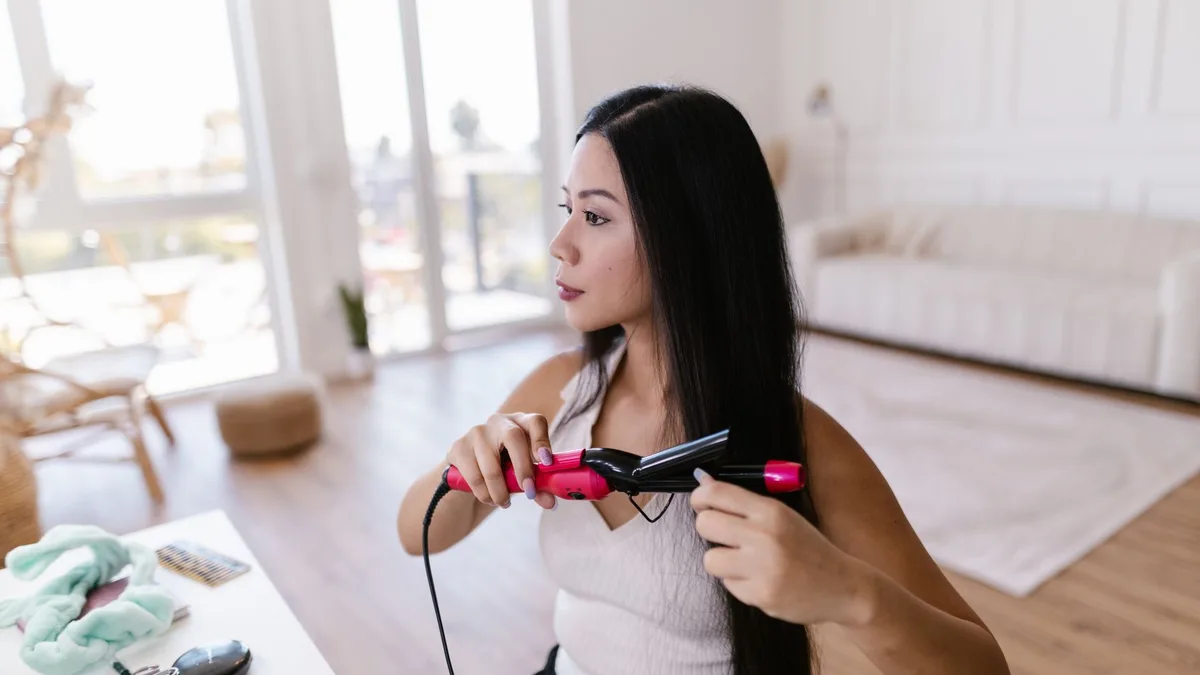
Hair is a protein fibre, and its shape is held partly by hydrogen bonds that break with heat and water — which is exactly how styling works. The trouble starts past that point.
- Above about 130°C, damage begins: the cuticle cracks and frays, keratin in the cortex starts to unravel — the comparison chemists use is cooking an egg — and internal moisture is driven out.
- Styling tools run at 150 to 230°C. Every single one of them operates above the threshold where hair starts to suffer.
- Colour changes too. Heat degrades melanin and tryptophan, which is why over-styled blonde hair turns brassy and dark hair loses depth.
- Wet hair is the worst case. Water trapped inside a strand under a hot iron evaporates violently and blows the structure apart from within. This is the single fastest way to wreck hair.
- None of it is reversible. Damaged hair can be improved cosmetically, but the only true fix is cutting it off.
What a Heat Protectant Really Does
A protectant coats the strand in a thin, flexible film — the analogy chemists use is an oven glove. That film does four measurable things: it slows how fast heat reaches the cortex, spreads the heat over a wider area instead of letting hot spots form, seals the cuticle so less moisture escapes, and adds slip so the tool glides instead of dragging.
Now the honest part, which almost no advert will tell you: independent testing puts the benefit of proven protectant ingredients at roughly 10 to 20 per cent less damage, with the best results around 50 per cent. A heat protectant is mitigation, not immunity.
That is not an argument for skipping it. Over a year of weekly styling, a fifth less damage is the difference between ends that need trimming every eight weeks and ends that need cutting off. It is an argument for pairing it with a lower temperature, which is free.
Ingredients That Are Actually Proven
Turn the bottle over. These are the ingredient classes with real evidence behind them:
- PVP/DMAPA acrylates copolymer — a film former, effective even at low concentrations.
- Quaternium-70 — binds to the hair and reduces heat damage measurably.
- Hydrolysed wheat protein — reinforces keratin and improves thermal stability.
- Silicones — dimethicone, amodimethicone and silicone quaterniums. They have low thermal conductivity, so they genuinely slow heat transfer, and they add the slip that stops mechanical damage.
- Polyquaterniums and methacrylates — the other film-forming families that work by the same mechanism.
If a spray’s ingredient list is water, alcohol and fragrance with a botanical extract at the end, it is a scented mist and not a heat protectant, whatever the front of the bottle claims.
How Much to Use, and How
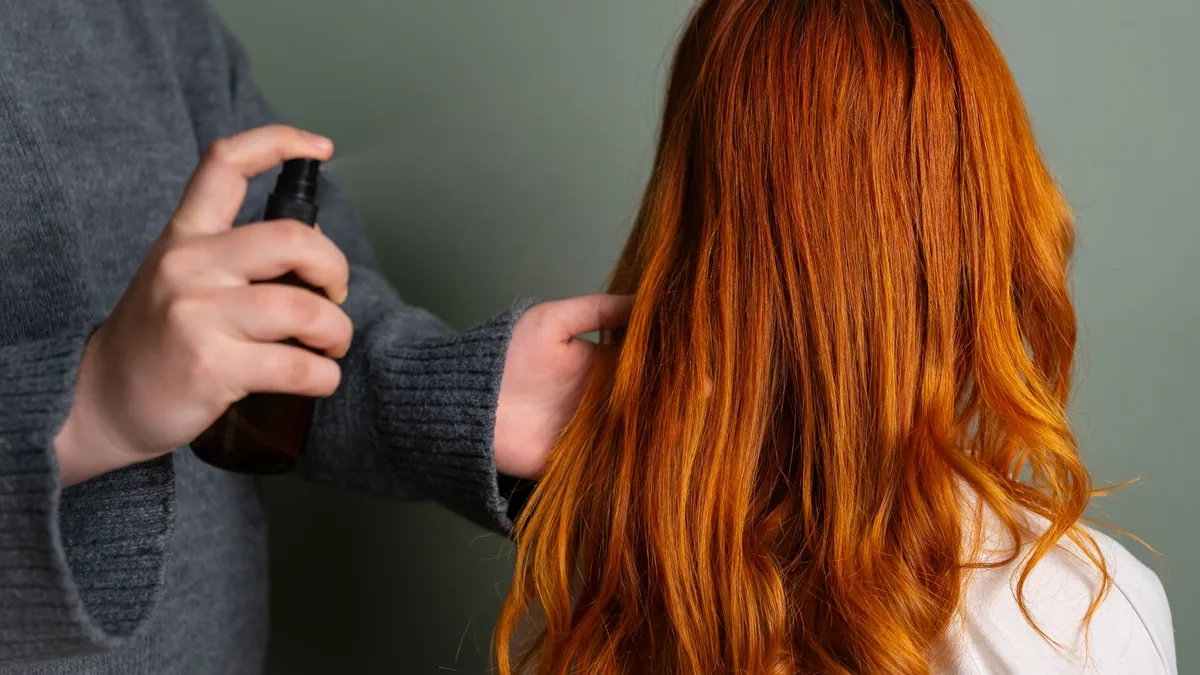
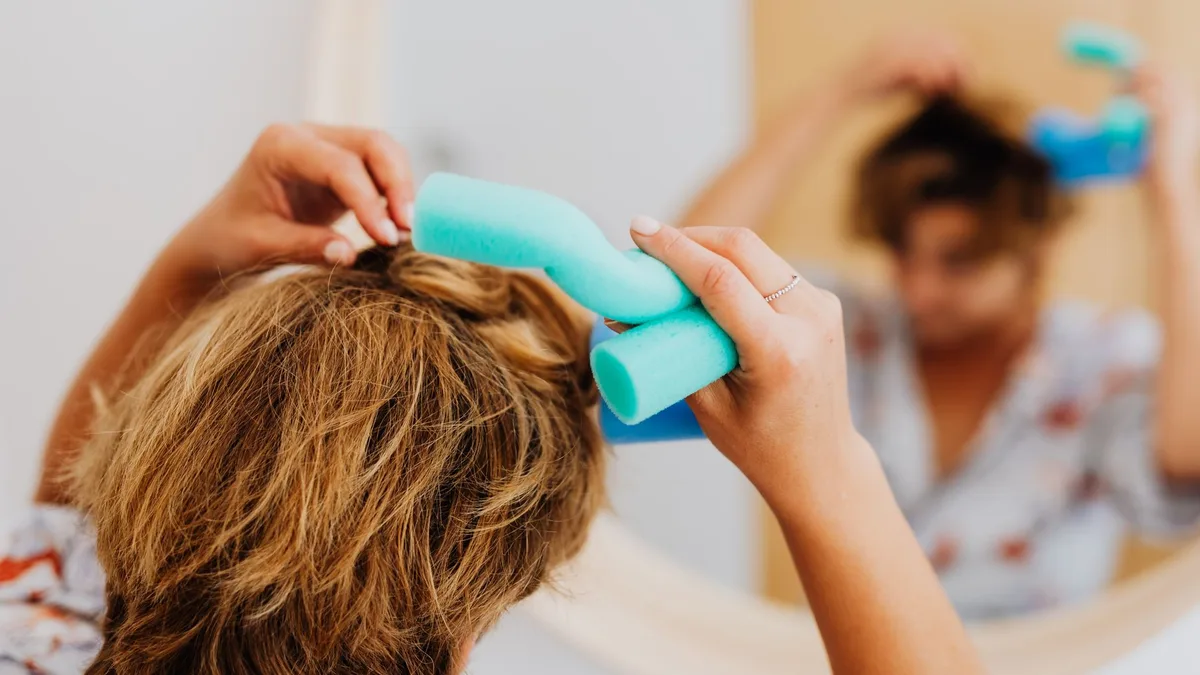
- Section your hair. The single biggest reason protectant fails is that people spray twice at the crown and style the whole head. Clip the top layers up and work from the bottom.
- Hold the bottle 15 to 20cm away — about the length of your hand and forearm to the wrist.
- Two to three sprays per section, or three to six spritzes for thick hair. Creams and serums: a pea-sized amount per section.
- Concentrate on the ends, which are the oldest and most fragile hair, and do not forget the hairline and the back.
- Comb it through so the film is even. Missed patches are where damage concentrates.
- Wait one to two minutes. The film needs to form and the carrier needs to evaporate. Ironing hair that is still wet with spray causes exactly the steam damage you were trying to avoid.
- Reapply if you change tools. Blow-dry then straighten is two heat events, not one.
Signs you have used too much: greasy, heavy, sticky or coated hair, and a style that will not hold. Fine hair in particular needs half of what the bottle implies.
Damp Hair or Dry Hair?
| Tool | Apply to | Why |
|---|---|---|
| Blow dryer | Damp, towel-dried hair | Hair is most absorbent then, and the film forms as it dries |
| Straightener, wand or crimper | Completely dry hair | Any moisture under a hot plate turns to steam inside the strand |
| Both in one session | Damp first, then a light second pass when dry | Two heat events need two applications |
The rule that overrides everything else: never put an iron on hair that is not bone dry. No protectant compensates for that, and no product claim should convince you otherwise.
Which Format for Your Hair
| Format | Best for | Watch out for |
|---|---|---|
| Spray | Fine and thin hair — lightest option | Alcohol-heavy formulas on dry hair |
| Cream | Thick or dry hair — adds control | Weighing down fine hair |
| Oil | Coarse and frizz-prone hair | Never use straight oil under a very hot iron unless it is formulated for heat |
| Serum | Medium to thick hair wanting a smooth finish | Buildup — clarify regularly |
What to Buy in the UK
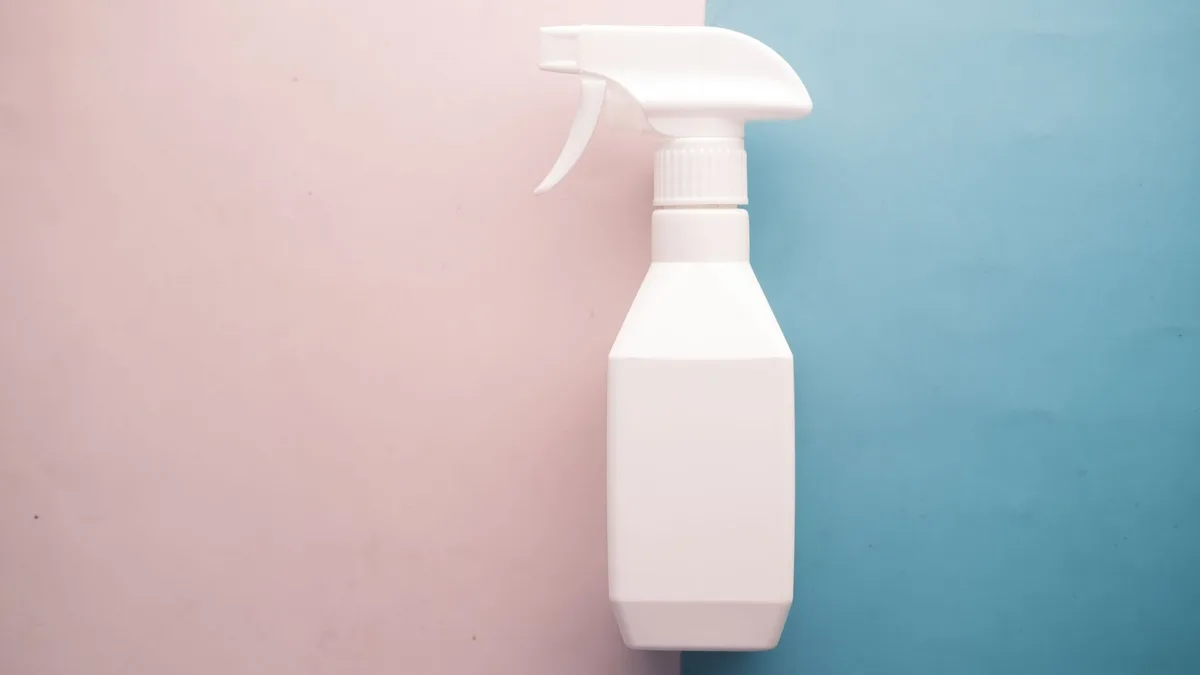
Match the stated protection to your tool. If your straightener runs at 200°C or above — most do — you want a spray rated to 230°C.
- TRESemmé Heat Defence, about £3.75 for 270ml. Protects to 230°C, contains keratin, and is the best value in the category by a distance. If you only take one recommendation from this page, take this one.
- L’Oréal Heat Slayer, about £6. 230°C, lightweight, good on flyaways.
- Wella EIMI Thermal Image, about £7.62. A two-phase spray to 220°C with a measurable shine benefit.
- ghd Style Heat Protection Spray, £18 for 120ml. Rated to 220°C; in testing at 210°C it showed around 38 per cent less breakage than untreated hair. Light, non-greasy, and the sensible pick if you style often.
- Moroccanoil Perfect Defense, about £23.45. 230°C with argan oil and a measured frizz reduction — worth it if frizz is your main complaint.
- Kérastase Nectar Thermique, about £28.90. 230°C and genuinely nourishing; the choice for dry or damaged lengths.
The honest verdict on price: above about £18 you are buying finish, fragrance and conditioning extras rather than materially better protection. A £3.75 spray applied properly outperforms a £29 one used carelessly.
Mistakes That Cancel the Benefit

| Mistake | Why it matters |
|---|---|
| Spraying only the top layer | The underneath takes the same heat with no protection |
| Ironing before it dries | Steam damage inside the strand — worse than no protectant at all |
| Using a bottle opened two years ago | Efficacy drops after roughly 12 months |
| Maximum heat “because it’s protected” | Protection is partial; temperature discipline does the heavy lifting |
| Multiple passes over the same section | Each pass is a fresh heat event; aim for one |
| Never clarifying | Silicone and polymer buildup makes hair heavy and dull, and blocks moisture |
Pair the spray with the right temperature — 140–160°C for fine, damaged or coloured hair; 165–180°C for medium; up to 205°C only for thick and coarse — and you get far more benefit than any upgrade in product. Our guide to hair styling tools has the full chart.
Frequently Asked Questions

Does heat protectant actually work?
Yes, partially and measurably — around 10 to 20 per cent less damage from the proven ingredients, up to about 50 per cent in the best results. It is worth using every single time, and it is not a licence to style at 230°C.
Can I use hair oil instead?
Only if it is specifically formulated as a heat protectant. Plain oils have their own smoke points and some effectively fry the hair under a hot iron. Argan-based heat sprays are fine; a spoonful of coconut oil is not.
Do I need it for blow-drying, or only for straightening?
Both. A dryer’s air is cooler than a plate but it is applied for far longer and over the whole head. Apply to damp hair before drying — see our guide to the best blow dryer for the technique that goes with it.
Will it make my hair greasy or flat?
Only if you use too much, use a cream on fine hair, or never clarify. Fine hair should use a light spray, two sprays per section, ends first, and a clarifying wash every few weeks.
Is it needed for a hair crimper or hot rollers?
For a hair crimper, absolutely — crimpers hold plates against the hair repeatedly. For hot rollers, still yes, though the heat is gentler and briefer, which is precisely why rollers are a kinder way to set hair.
The Bottom Line
Heat protectant is real chemistry with modest, genuine benefits: a film that slows and spreads heat and keeps moisture in. Check for a proven film former or silicone on the label, buy a rating that matches your tool, section your hair, spray from 15 to 20cm with the ends in mind, and give it a minute to dry.
Then do the thing that helps more than any bottle: turn the temperature down. If your hair is already showing the damage, our guides to hair smoothing treatment and anti frizz serum cover what to do next.