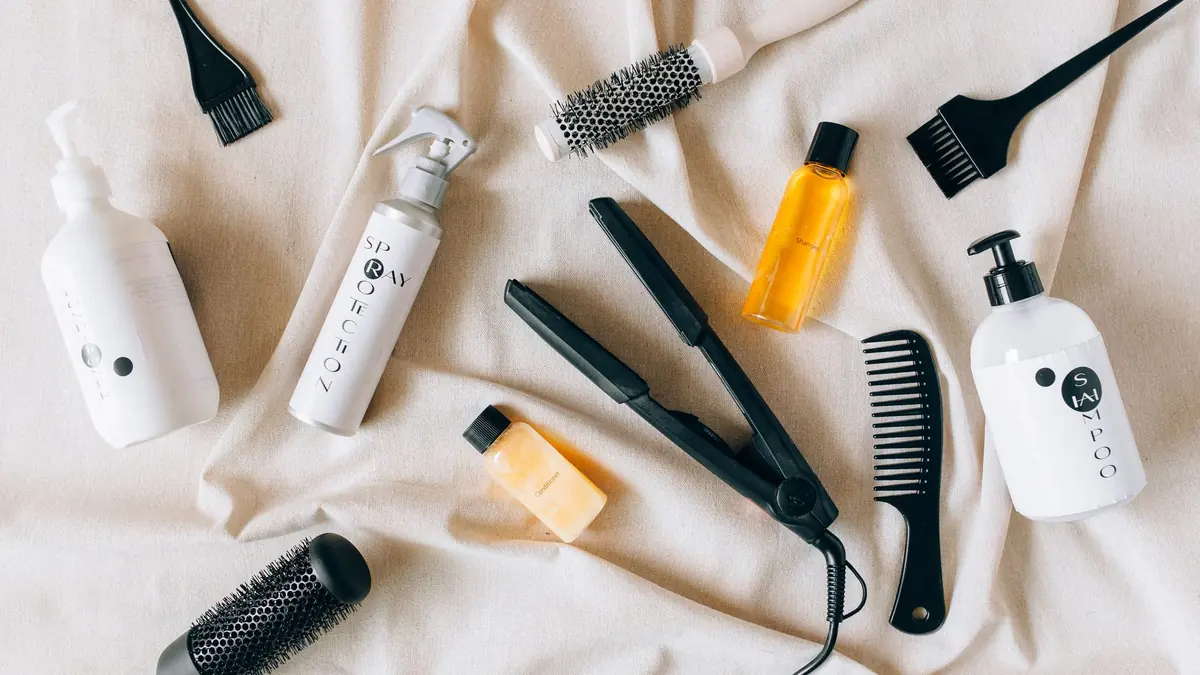
Buying hair styling tools in 2026 means choosing between a £15 dryer from Aldi and a £450 one from Dyson, a £30 straightener and a £400 one, and a wall of words — ceramic, tourmaline, titanium, ionic, infrared — that retailers use interchangeably and largely without explanation.
Here is the short version before we start: the single biggest factor in whether heat styling wrecks your hair is not the plate material or the price. It is the temperature you set, and almost everyone sets it too high.
Start With Temperature, Not Brand
The keratin that makes up your hair begins to degrade at around 155 to 160°C. Plenty of straighteners default to 185°C and many go to 230°C. That gap is where most heat damage happens — not in the plates, and certainly not in the price bracket.
| Your hair | Temperature | Notes |
|---|---|---|
| Fine, damaged, bleached or colour-treated | 120–150°C | If it will not hold at this, the problem is technique or a heavy product, not the heat |
| Normal to medium, healthy | 150–190°C | The vast majority of people belong here |
| Thick, coarse, resistant or very curly | 190–230°C | Fewer passes at higher heat beats many passes at low heat |
Never go above about 230°C. Beyond that, even healthy hair is measurably damaged, and no coating, ion or infrared claim changes that. The goal is always the lowest temperature that works in one pass.
Plate Materials, Decoded
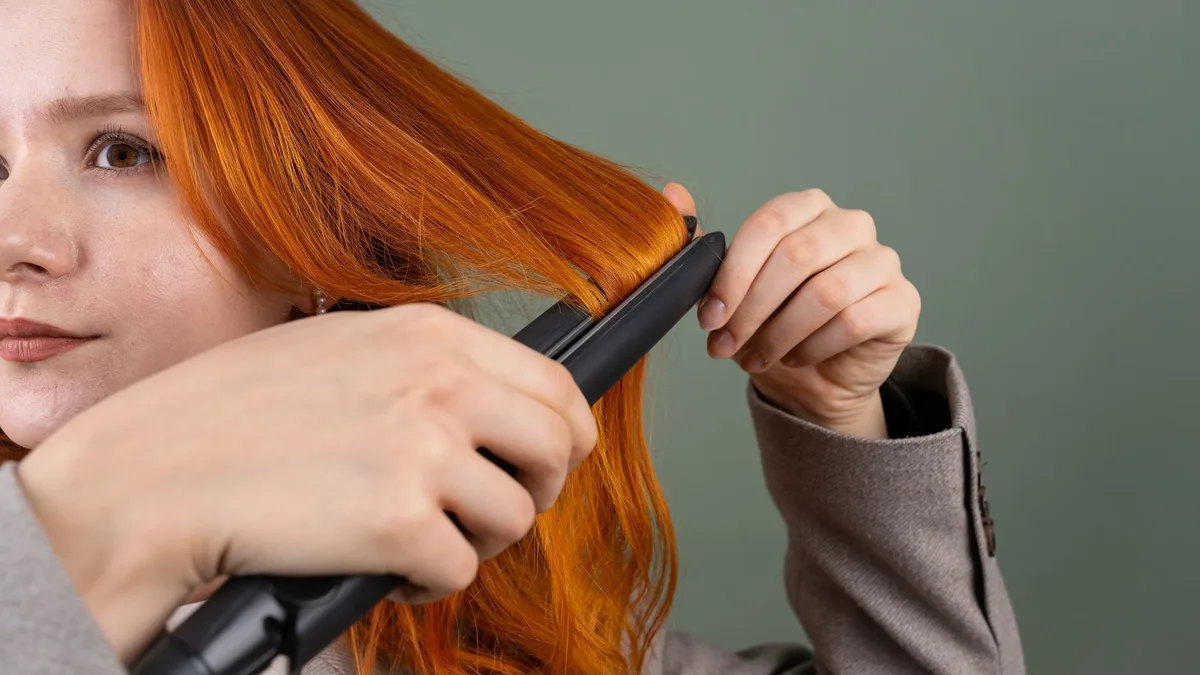
- Ceramic. Heats evenly, radiates gentle far-infrared warmth, few hot spots. The safest option for fine, fragile or damaged hair, and the right default for anyone who is not a professional.
- Titanium. Reaches high temperatures in under a minute, holds them rock steady, and transfers that heat aggressively. Superb on thick, coarse, healthy hair that needs fewer passes — genuinely risky on fine hair.
- Tourmaline. Not really a plate at all. It is a crushed gemstone infused into a ceramic or titanium base; when heated it releases negative ions and infrared, which seals the cuticle and cuts frizz. Tourmaline-on-ceramic is the sweet spot for most home users.
- “Ionic”. A feature, not a material. Every ceramic plate emits some negative ions; tourmaline and titanium amplify them. A dryer marketed as ionic will dry noticeably faster, which means less heat exposure overall.
The buying rule that actually saves money: buy solid plates, not coated ones. A cheap “ceramic” iron is usually aluminium with a thin ceramic layer. It heats unevenly, and when the coating chips — and it will — you are dragging bare metal across your hair.
Hair Dryers: What the Money Buys
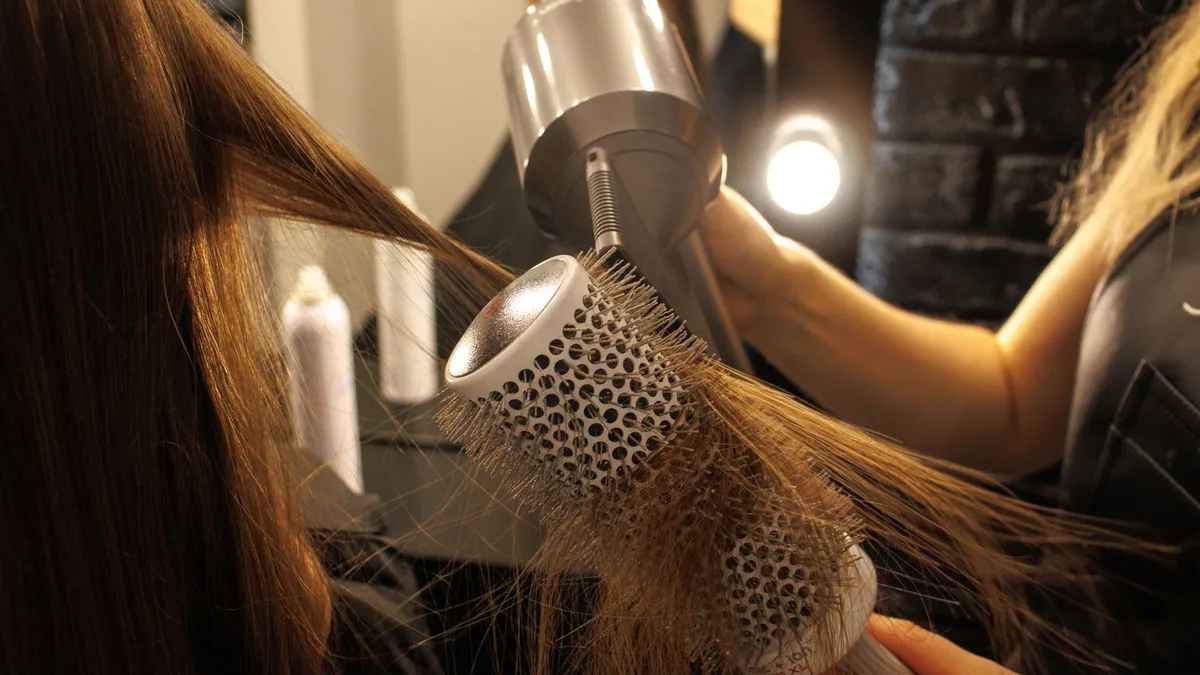
Wattage roughly maps to hair thickness. Fine hair is well served by 1,200 to 1,600W; thick or long hair wants 2,000W or more, because a dryer that struggles simply keeps hot air on your hair for longer.
- £15–£30 — supermarket: Aldi’s ionic dryer at around £15 comes with a diffuser and concentrator and does the fundamental job perfectly well. If your budget is tight, spend the money on a heat protectant instead.
- £99 — the sensible step up: the GHD Air, 2,100W and ionic, is the point where drying gets faster and quieter.
- £189–£299 — the value professionals: GHD Helios (2,200W, ionic, light) and GHD Speed (2,200W, dual airflow) are the fastest-drying options at sane money.
- £450 — the technology tier: the Dyson Supersonic Nural monitors temperature many times a second and adjusts heat as it nears the scalp. You are buying heat control, which matters most if you dry your hair daily.
- Hot air brushes: around £60 for a Revlon-style one-step volumiser — dries and shapes in one, ideal for straight-to-wavy hair, useless on tight curls.
Attachments matter more than most people realise: a concentrator nozzle directs airflow down the hair shaft and is the difference between smooth and fluffy, while a diffuser disperses the air so curls dry without being blown apart. Our full guide to choosing the best blow dryer goes deeper.
Straighteners: The UK Line-Up
| Tool | Price | Temperature | Best for |
|---|---|---|---|
| Revlon Smoothstay | £29.99 | Fixed | A backup or a first iron |
| Remington Shine Therapy | £79.99 | 150–230°C, 9 settings | Best budget; the adjustable range is the point |
| Cloud Nine Contouring | Mid | 100–200°C | Waves and bends — curved plates make shapes easier |
| GHD Gold / Platinum Plus | £199 / £249 | Fixed 185°C | The reliable all-rounder, with heat sensors along the plate |
| GHD Chronos Max | Premium | Fixed 185°C | Thick, curly and 4C hair — 43mm plates cover far more per pass |
| GHD Unplugged | £299 | Fixed 185°C | Cordless, about 20 minutes of battery |
| Dyson Corrale | £399.99 | Adjustable | Flexing plates that gather the hair; claims up to 50% less heat damage |
| L’Oréal Steampod 3.0 | Premium | Steam | Damaged hair — it adds moisture rather than only heat |
| Shark SilkiPro Straight | £249.99 | Wet-to-dry | Dries and straightens in one pass; big time saver |
A note on fixed-temperature irons. Brands that lock at 185°C argue it is the optimum styling temperature — and for medium, healthy hair they are right. If your hair is fine, bleached or fragile, an adjustable iron that will sit at 150°C is the better tool, whatever the badge on it says.
Curling Tools and Multi-Stylers
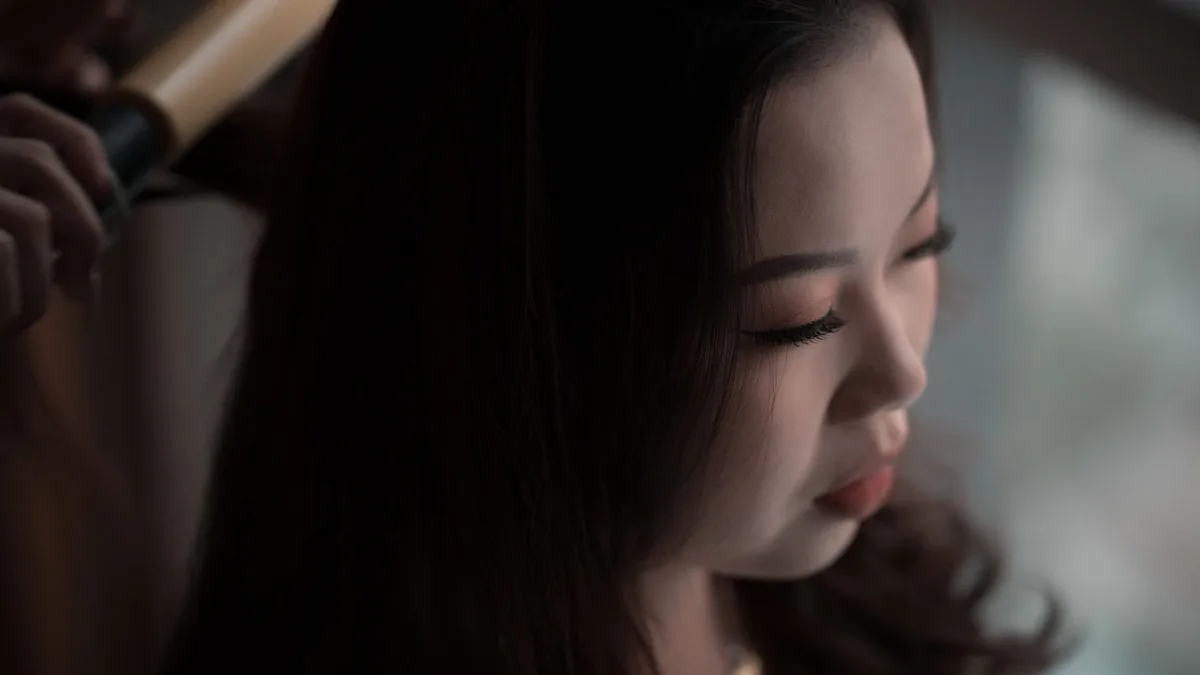
- Wand (no clamp): modern, slightly undone curls; no crimp mark; needs a heat glove and a little practice.
- Tong (with clamp): more uniform, more polished, easier for beginners; can leave a mark at the ends.
- Barrel size is everything: 13–19mm for tight ringlets, 25mm for classic curls, 32–38mm for loose waves and blow-dry bends.
- Multi-stylers (Shark FlexStyle, Dyson Airwrap-type tools) use airflow rather than plate contact to shape hair, so they run cooler — brilliant for fine hair and for anyone who dries and styles in one go.
- Crimpers and rollers are having a genuine revival — see our guides to the hair crimper and hot rollers, both of which are gentler than an iron because the heat is briefer.
If you are choosing between a straightener and a curling tool as your one purchase, our comparison of flat iron vs curling iron sets out which does more for which hair.
The Kit You Actually Need
| Your hair | Dryer | Iron or wand | Temperature |
|---|---|---|---|
| Fine and straight | 1,200–1,600W ionic, light | Ceramic or tourmaline-ceramic, narrow plates | 120–150°C |
| Medium, healthy | 1,800–2,200W ionic | Tourmaline-ceramic, 25mm wand | 150–190°C |
| Thick and coarse | 2,200W+, concentrator | Titanium or wide-plate ceramic | 190–230°C |
| Curly and coily | Diffuser essential; 2,000W+ | Wide plates for stretching; wand for definition | Lowest that works in one pass |
| Damaged or bleached | Any ionic dryer, cool setting | Steam iron, or nothing at all for eight weeks | 120–150°C maximum |
Technique Beats Hardware
- Never put an iron on hair that is not completely dry. Water inside the strand turns to steam and blows out the cuticle from within — this is the fastest damage there is. Rough-dry to 100 per cent before any iron.
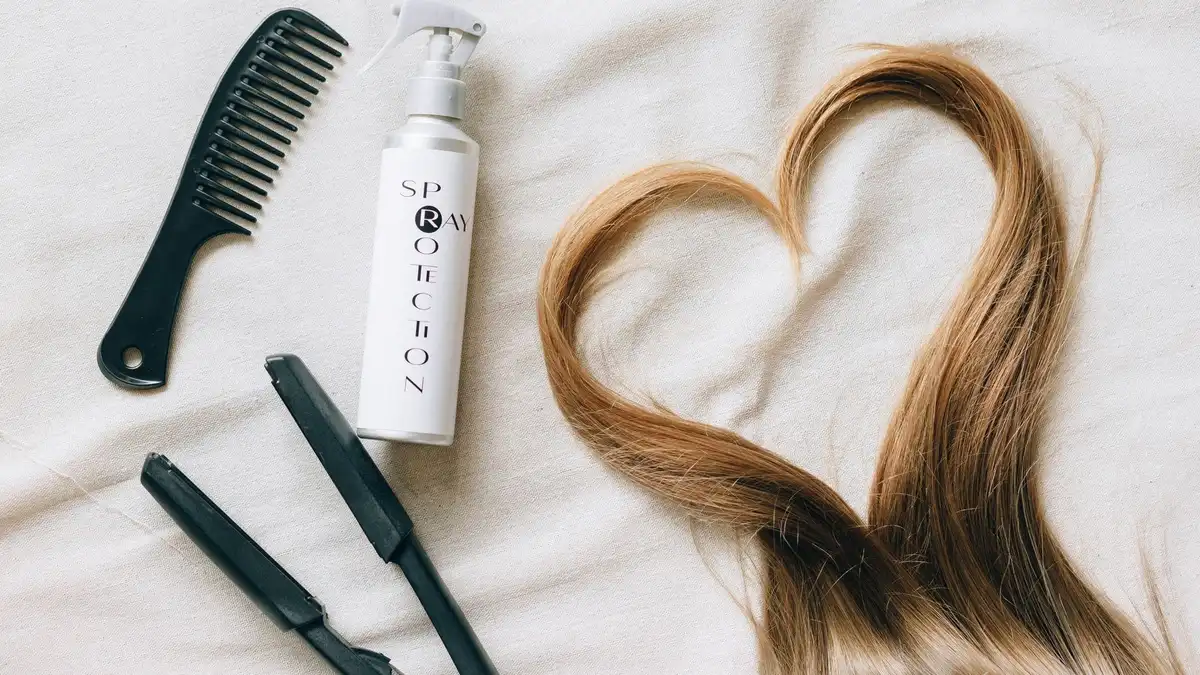
- Heat protectant, always. Not optional, not just for special occasions; see our guide to heat protectant spray for how much to use and when.
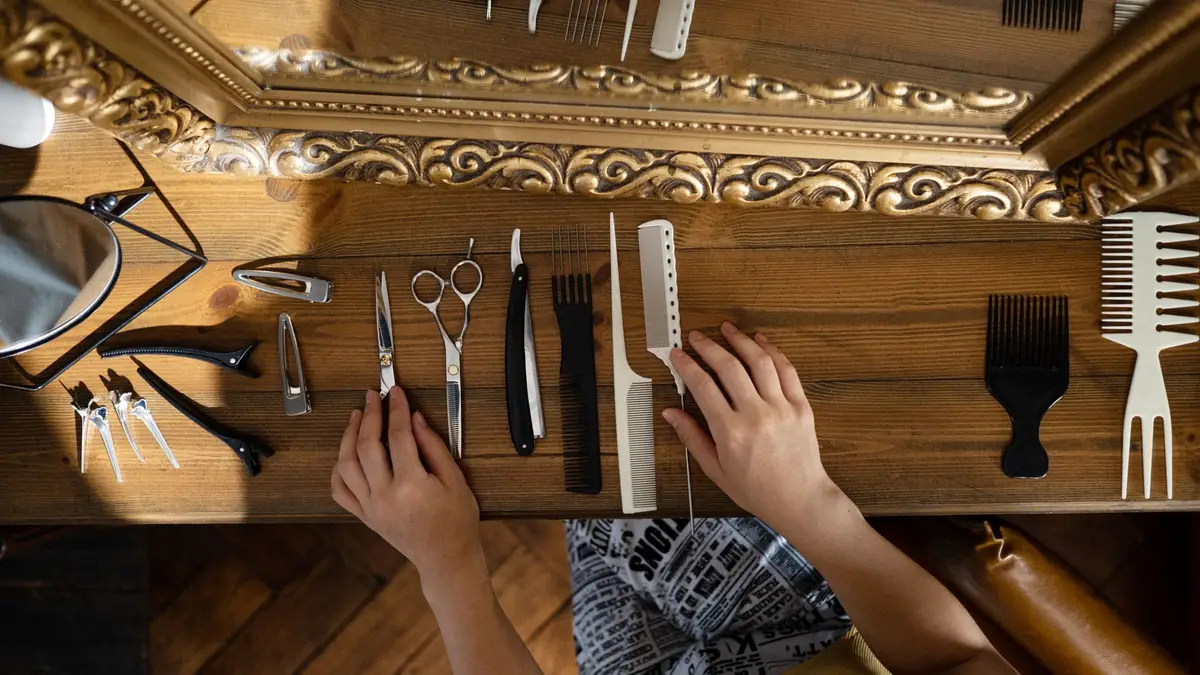
- Section properly. Two-centimetre sections, clipped away. Trying to iron a thick section in one grab means three passes instead of one.
- One pass, slow and steady, beats three fast ones at the same temperature — the total heat exposure is what counts.
- Use tension when blow-drying. Most of a salon finish is the brush pulling the hair taut with airflow directed from root to tip, not the products.
- Finish with cool air. The cool shot sets hydrogen bonds in their new position and makes the style last hours longer.
- Clean your plates. Product residue bakes on, causes drag and scorching. Wipe cool plates with a damp cloth weekly.
Travelling With Tools
Two things matter abroad: dual voltage and folding. Most tools are not dual voltage, and plugging a 230V UK iron into a 110V supply — or worse, the reverse — ends badly.
- ghd Flight+, around £79 — folding, 1400W, dual voltage with a manual switch. The value pick.
- Dyson Supersonic Travel, £249.99 — dual voltage, takes the standard attachments, does not fold.
- Shark SpeedStyle Pro FLEX, £199.99 — folds and is the only travel dryer in this group that includes a diffuser.
- Expect 4 to 10 minutes to dry mid-length hair with a travel dryer, against 3 to 5 with a full-size one.
Frequently Asked Questions
Is an expensive straightener actually worth it?
On healthy hair, an £80 iron with solid plates and adjustable heat produces a result most people cannot distinguish from a £250 one. What the money buys is consistency across the plate, better temperature regulation, faster heat-up, and a longer warranty. If you style daily, that is worth paying for; if you style monthly, it is not.
Ceramic or titanium?
Ceramic unless your hair is thick, coarse and healthy. Titanium’s advantage is speed and stability at high heat, which is exactly what fine hair does not need. Tourmaline-infused ceramic is the safest all-round choice for home use.
How often can I heat style?
Once or twice a week is sustainable for most hair with protectant and sensible temperatures. Daily styling is survivable on healthy, coarse hair and quietly destructive on fine or coloured hair. Alternate with air-drying, and use heatless methods for the days in between.
Do ionic dryers really make a difference?
Yes, measurably — negative ions help break up water droplets and close the cuticle, so hair dries faster and flatter. Less time under hot air is the real benefit. On very fine hair, however, ionic can leave hair too flat; use a lower setting or a non-ionic mode if yours has one.
When should I replace a tool?
When the plates snag or you can see the coating flaking, when the temperature fluctuates visibly, or when the cable has been repaired with tape. A chipped plate does more damage than an extra 20°C ever will.
The Bottom Line
Set the temperature for your hair, not for the tool’s maximum. Buy solid plates over coated ones and ionic dryers with a nozzle and a diffuser. Spend the extra money on heat control if you style daily, and on a decent protectant if you do not.
Then remember that the best styling tool is often no styling tool: heatless curls give you shape for free while you sleep, and the products in our curly hair products and anti frizz hair products guides do a lot of what people reach for an iron to fix.