
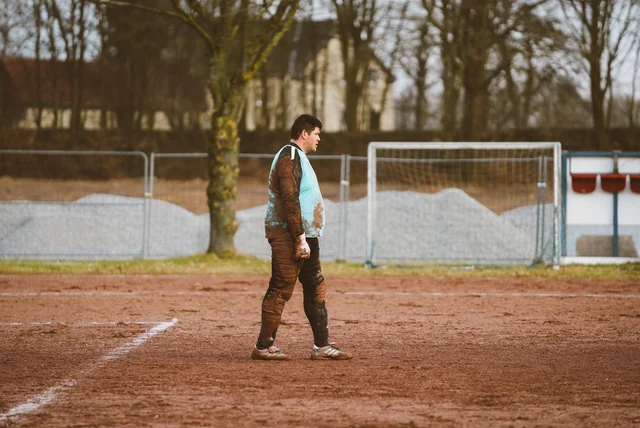
In the mid-1980s a young man from Watford was carrying bricks up ladders on building sites and playing non-league football for Wealdstone at weekends. Within four years he had lifted the FA Cup at Wembley. Within fifteen he was a film star in Guy Ritchie’s gangster world. Today he farms in West Sussex and makes television about it. People search for the Vinnie Jones net worth figure expecting a footballer’s fortune, but the money story runs the other way: football made him famous, and acting made him wealthy.
Vinnie Jones: Biography at a Glance
| Full name | Vincent Peter Jones |
| Born | 5 January 1965, Watford, Hertfordshire |
| Age | 61 |
| Football | Wimbledon, Leeds United, Sheffield United, Chelsea, QPR; 9 caps for Wales |
| Biggest honour | FA Cup winner, 1988, with Wimbledon’s “Crazy Gang” |
| Breakthrough film | Lock, Stock and Two Smoking Barrels (1998) |
| Awards | Empire Award, Best Newcomer (1999); Best British Actor for Snatch |
| Spouse | Tanya Terry, married 1994, died 2019 |
| Lives | Between Los Angeles and a farm near Petworth, West Sussex |
| Estimated net worth | Around $10 million (estimates, not audited) |
From the Building Site to the Crazy Gang

A hod carrier and non-league player when Wimbledon signed him in 1986.
Image source: licensed stock photo
Nothing about the start of his career suggested money. Jones was working as a hod carrier and playing for Wealdstone when Wimbledon signed him in 1986, after a short loan spell in Sweden with IFK Holmsund. Wimbledon were the outsiders of English football — a tiny club with a reputation for long balls, practical jokes and intimidation that earned the squad the nickname the Crazy Gang. Jones fitted it perfectly. Then, in May 1988, the impossible happened: Wimbledon beat the mighty Liverpool 1–0 in the FA Cup final, one of the greatest upsets in the competition’s history. A labourer from Watford had a winner’s medal within two years of leaving the building site, and he became a name almost overnight.
The Hard Man Reputation

Twelve red cards, and a booking after just five seconds in 1992.
Image source: licensed stock photo
Fame came with a reputation he never shook off, and to be fair he rarely tried. He collected 12 red cards across his career and still holds the record for the fastest booking in English football — five seconds into an FA Cup tie between Chelsea and Sheffield United in 1992. A photograph of him grabbing Paul Gascoigne in 1988 became one of the most famous images of the era. In 1992 he fronted a video called Soccer’s Hard Men, and the Football Association fined him £20,000 and handed him a suspended six-month ban for bringing the game into disrepute. He moved through Leeds, Sheffield United and Chelsea, returned to Wimbledon, finished at QPR, and won nine caps for Wales along the way.
Why Football Did Not Make Him Rich

He won the FA Cup before the Premier League money arrived.
Image source: licensed stock photo
Here is the part that surprises people used to modern Premier League numbers. Jones played most of his career before the money arrived. The Premier League only began in 1992, the big television deals took years to filter into wages, and Wimbledon were famously one of the poorest top-flight clubs. A tough midfielder at that time earned a very good living but nothing like the fortunes of today, when a squad player can make more in a month than Jones made in a season. Sporting fame, as Luke Littler’s net worth shows in a very different era, only turns into serious wealth when the prize money and commercial deals are there to meet it. For Jones, they were not. His football career was the platform, not the payday.
Big Chris and the Guy Ritchie Years

Lock, Stock in 1998 made him a film actor overnight.
Image source: licensed stock photo
The turn came in 1998. A first-time director called Guy Ritchie cast him as the debt collector Big Chris in Lock, Stock and Two Smoking Barrels, and the film became a surprise hit on both sides of the Atlantic. Jones won the Empire Award for Best Newcomer, then followed it with Snatch in 2000, which earned him the Empire Award for Best British Actor. Hollywood came calling straight away: Gone in 60 Seconds with Nicolas Cage, Mean Machine, and in 2006 the role of Juggernaut in X-Men: The Last Stand. He was playing, essentially, a version of the man the tabloids had described for a decade — and the studios were paying far more for it than football ever had. Few British performers make that jump at all; Olivia Colman’s net worth shows how long the road to Hollywood usually is.
A Working Actor, Not a Film Star

Twenty-five years of steady character work built most of the money.
Image source: licensed stock photo
The honest way to describe what followed is steady rather than spectacular. After the early hits, Jones became one of the busiest character actors around, appearing in dozens of films and television series, many of them action and crime titles made for the home-video and streaming market. That kind of career rarely produces headline fees, but it produces something more reliable: constant work over twenty-five years. It is the same shape of career that underpins Mark Benton’s net worth — recognisable, always employed, rarely the top name on the poster. Added up across the decades, that volume of work is what built most of his estimated $10 million, far more than any single film.
The Advert That Saved Lives
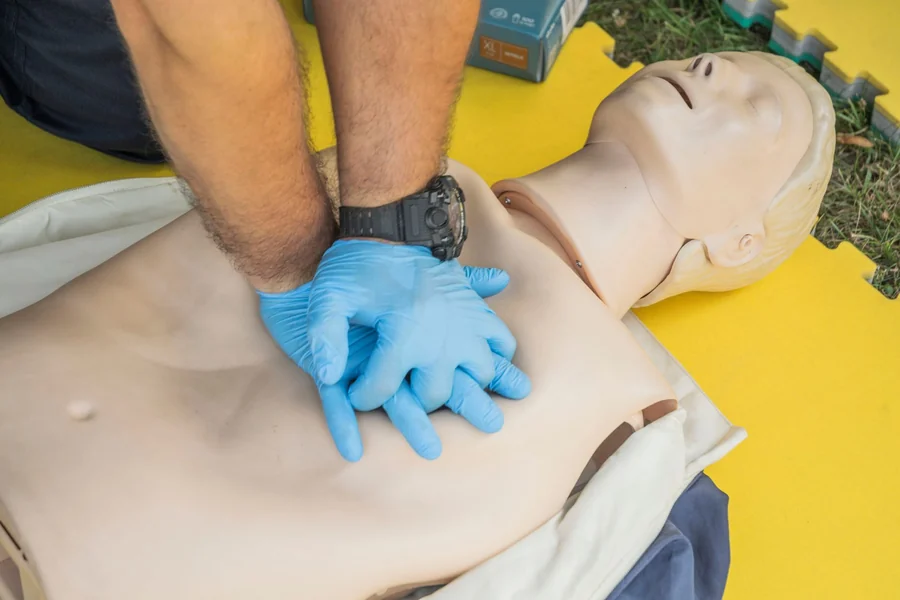
The BHF credits his 2012 CPR advert with saving at least 30 lives.
Image source: licensed stock photo
The most valuable thing Vinnie Jones ever did on camera did not make him rich at all. In 2012 the British Heart Foundation cast him in a “hard and fast” advert teaching hands-only CPR — call 999, then push hard and fast on the chest to the beat of the Bee Gees’ Stayin’ Alive. It worked brilliantly. Recognition hit 86 per cent within four weeks, the share of people saying they would attempt CPR rose from 54 to 71 per cent, and the charity has credited the campaign with directly saving at least 30 lives. One survivor famously said he was alive because of “Vinnie Jones, the Bee Gees and hands-only CPR”. Jones has returned to the role for the charity since, including in 2024.
Loss, and a Life in Sussex

After his wife’s death in 2019, the Sussex farm became his next chapter.
Image source: licensed stock photo
For all the tough-guy image, the defining event of his later life was grief. He married Tanya Terry in 1994, and she died of skin cancer in July 2019 after a long illness. Jones, who had had a precautionary skin cancer procedure of his own in 2013, has spoken openly and emotionally about her death ever since. Afterwards he divided his time between Los Angeles and a farm near Petworth in West Sussex — and that farm became his next career. Since 2023 the Discovery+ series Vinnie Jones in the Country has followed him learning to run it, with honest moments about loss alongside the livestock and machinery. A third series began in February 2026.
Where the Money Comes From Now

Television, acting and land: his three income streams in 2026.
Image source: licensed stock photo
In 2026 his income has settled into three reliable streams. There is television, led by the farm series, which gives him a presenting career that does not depend on being cast. There is acting, including his role as the gamekeeper Geoff in Guy Ritchie’s Netflix series The Gentlemen — a neat full circle back to the director who changed his life. And there is the land itself, an asset that tends to hold its value far better than film fees. Estimates of his net worth sit around $10 million, with some putting it nearer £8 million. Like every figure of its kind, that is an estimate rather than an audited number, but it fits a long, busy career far better than a single windfall ever would.
Final Thoughts
The Vinnie Jones net worth figure of roughly $10 million tells a very British story: a hod carrier who won the FA Cup, was paid a pre-Premier League wage, and then found his real living by playing the hard man on screen for twenty-five years. He is now a Sussex farmer with a television series and a role in The Gentlemen. And if you remember only one thing from his career, make it the CPR advert — call 999, push hard and fast, and keep the beat of Stayin’ Alive.
Frequently Asked Questions
What is Vinnie Jones’s net worth in 2026?
He is usually estimated at around $10 million, with some sources suggesting nearer £8 million. No audited figure has been published.
How old is Vinnie Jones?
He was born on 5 January 1965 in Watford, Hertfordshire, which makes him 61 years old in 2026.
Where does Vinnie Jones live now?
He divides his time between Los Angeles and a farm near Petworth in West Sussex, which features in his Discovery+ series Vinnie Jones in the Country.
What happened to Vinnie Jones’s wife?
His wife, Tanya Terry, whom he married in 1994, died of skin cancer on 6 July 2019. He has spoken publicly about his grief many times since.
Did Vinnie Jones win anything as a footballer?
Yes. He won the 1988 FA Cup with Wimbledon, who beat Liverpool 1–0 in one of the competition’s biggest ever upsets. He also won nine caps for Wales.
What was the Vinnie Jones CPR advert?
A 2012 British Heart Foundation campaign teaching hands-only CPR to the beat of Stayin’ Alive. The charity credits it with directly saving at least 30 lives.
Disclaimer: Net worth figures are estimates compiled from public reporting, not audited financial statements. Images are licensed illustrative stock photography and do not depict Vinnie Jones. For CPR training, visit the British Heart Foundation; in an emergency, always call 999.