
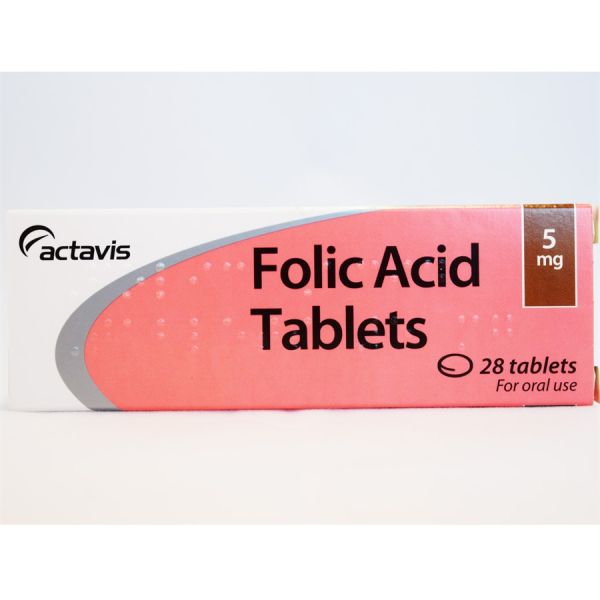
Quick answer: Folic Acid 5 mg Tablets are a prescription-only form of vitamin B9. In the UK, doctors prescribe them to treat folate deficiency and folate-deficiency anaemia, and to lower the risk of neural tube defects in higher-risk pregnancies. The usual dose is one tablet a day, taken exactly as your prescriber tells you. You cannot buy this strength over the counter. The lower 400 microgram (0.4 mg) tablets are sold in shops and are the standard choice for most pregnancies.
At a glance
- What it is: folic acid (vitamin B9), 5 mg per tablet, which is 5,000 micrograms
- Used for: folate deficiency, folate-deficiency anaemia, and higher-risk pregnancies
- Prescription needed: yes, in the UK it is a prescription-only medicine
- Usual dose: one tablet daily, or as your doctor directs
- Common side effects: mild nausea, bloating, wind, loss of appetite
- Main safety point: vitamin B12 deficiency must be ruled out before taking it
This guide explains what the tablets are, who needs them, how to take them, what to watch for, and how they differ from the 400 microgram supplement. It is written for general information. Always follow the advice of your GP, midwife or pharmacist.
What Are Folic Acid 5 mg Tablets?
Folic acid is the man-made form of folate, also called vitamin B9. Folate is found naturally in foods such as spinach, broccoli, peas, lentils and oranges. Your body needs it to make DNA, build new cells and produce healthy red blood cells.
The “5 mg” means each tablet holds 5 milligrams, which equals 5,000 micrograms. That is 12.5 times the amount in a standard 400 microgram supplement. This is why it is treated as a medicine and not a general vitamin.
What Are Folic Acid 5 mg Tablets Used For?
Doctors in the UK prescribe this strength for specific reasons:
| Use | Why 5 mg is prescribed |
|---|---|
| Folate-deficiency anaemia | Low folate leads to fewer, larger red blood cells that carry oxygen poorly. A higher dose restores levels. |
| Higher-risk pregnancy | Gives extra protection against neural tube defects such as spina bifida. |
| Poor absorption | Conditions like coeliac disease or Crohn’s disease can reduce how much folate the gut absorbs. |
| Certain medicines | Some drugs, including methotrexate and some anti-epileptic medicines, can lower folate or affect how it works. |
| Higher body demand | Some blood conditions that break down red blood cells quickly use up folate faster. |
Tiredness, weakness, breathlessness and a pale appearance are common signs of folate-deficiency anaemia. These symptoms have many causes, so see your GP for a blood test before taking any treatment.
Is Folic Acid 5 mg Different From 400 mcg?
Yes. Most people planning a pregnancy are advised to take 400 micrograms daily. NHS guidance reserves the 5 mg dose for women at higher risk. The two are not interchangeable, and a higher dose is not “better” for everyone.
| Feature | 400 mcg (0.4 mg) | 5 mg (5,000 mcg) |
|---|---|---|
| Available | Over the counter | Prescription only |
| Main purpose | Routine protection in pregnancy | Treating deficiency, higher-risk pregnancy |
| Who uses it | Most women trying to conceive | People advised by a doctor |
| Strength | 1 times | 12.5 times |
Folic Acid 5 mg in Pregnancy
The baby’s brain and spinal cord form from the neural tube in the first weeks of pregnancy, often before a woman knows she is pregnant. Folic acid helps this tube close properly. That is why the advice is to start before conception.
Your doctor may prescribe 5 mg if you:
- or your partner have a neural tube defect, or you have had a pregnancy affected by one
- have a family history of neural tube defects
- have diabetes
- take anti-epileptic medicine
- have a body mass index (BMI) of 30 or above, or a condition that affects how you absorb nutrients
Many doctors advise stopping the high dose at week 12 and not continuing it for the whole pregnancy, unless there is another medical reason. Follow your own prescription. If you are breastfeeding, folic acid is considered suitable, but confirm the dose with your GP or midwife.
Dosage and How to Take the Tablets
The dose depends on why you need it. Typical UK prescribing is one 5 mg tablet once a day, swallowed whole with water, with or without food. Treatment for anaemia often lasts around four months, and some people need a lower, ongoing dose. Pregnancy use is shorter, as explained above. Your doctor decides the length of treatment, and may check your blood during it.
If you miss a dose
Take it when you remember. If your next dose is nearly due, skip the missed one. Never take two together to catch up.
If you take too many
One extra tablet is unlikely to cause serious harm, but speak to a pharmacist, your GP or NHS 111 for advice. If you feel very unwell or have swallowed a large number, call 999 or go to A&E and take the packet with you.
Side Effects
Most people have no problems. When they do happen, side effects are usually mild.
| Type | What you may notice | What to do |
|---|---|---|
| Common | Nausea, loss of appetite, bloating, wind | Usually settles. Ask your pharmacist if it continues. |
| Rare, urgent | Rash, itching, swelling of the face, lips or throat, difficulty breathing | Stop the tablets and get emergency help (999). |
You can report suspected side effects through the MHRA Yellow Card Scheme.
Who Should Be Careful or Avoid Them?
Tell your doctor before starting if any of these apply. They do not always mean you cannot take the tablets, but they need checking first.
- Vitamin B12 deficiency, or unexplained anaemia. Folic acid can improve the blood count while B12 deficiency keeps damaging the nerves. Your B12 level should be checked first.
- Allergy to folic acid or any ingredient in the tablet.
- A history of cancer. Folic acid is usually avoided in malignant disease unless a specialist advises it.
Interactions with other medicines
Folic acid can affect, or be affected by, medicines such as phenytoin and some other anti-epileptic drugs, methotrexate, sulfasalazine and trimethoprim. Do not stop or change any of these yourself. Tell your doctor and pharmacist about everything you take, including supplements and herbal products.
Alcohol
Regular heavy drinking lowers folate levels and reduces how well your body absorbs it. Cutting down helps the treatment work.
Can You Buy Folic Acid 5 mg Without a Prescription?
No. In the UK, 5 mg tablets are prescription-only. You can get them from your GP, midwife or a prescriber, and collect them from a pharmacy. A legitimate online pharmacy will always ask for a prescription or a clinical consultation. Check that it is registered with the General Pharmaceutical Council (GPhC). Avoid any site that sells it with no checks.
- England: a standard NHS prescription charge applies per item, unless you are exempt. Check the current price on the NHS website.
- Scotland, Wales and Northern Ireland: NHS prescriptions are free.
- Pregnant or recently had a baby: prescriptions are free in England with a maternity exemption certificate (MatEx), which your midwife or GP can help you apply for.
- Private prescriptions: pharmacy prices vary, so compare a few registered pharmacies.
How the Tablets Are Supplied
Folic Acid 5 mg Tablets are usually small, round and yellow. They typically come in blister packs of 28 tablets. Several companies make them, so the packaging may look different, but the active ingredient is the same. In the UK, for example, Relonchem Ltd supplies a version under licence number PL 20395/0133. Always check the name and strength on your pack, and ask your pharmacist if you receive a different brand from last time.
Read more: Frozen Food Packaging in 2025 | Best Materials, Trends & Smart UK Solutions
Storage
- Keep them in the original packaging, away from heat, sunlight and moisture
- Do not store above 25°C
- Keep out of the sight and reach of children
- Do not use after the expiry date. Return unwanted tablets to a pharmacy.
Food and Lifestyle Support for Folate
Food will not replace a prescribed treatment for a diagnosed deficiency, but it helps keep your levels healthy. Good sources include spinach, kale, broccoli, Brussels sprouts, peas, chickpeas, lentils, oranges and fortified breakfast cereals. Steam or lightly cook vegetables, because long boiling destroys folate.
If you shop in the capital, our guide to the best grocery stores in London and the list of organic food shops in London can help you find fresh greens. For eating out, try these healthy cafés in London or the best vegan restaurants in London, where pulses and leafy vegetables are easy to find.
Read also: Top 10 Grocery Stores in London for Fresh and Organic Produce
For wider healthy habits, see our London wellness guide. Stopping smoking and drinking less alcohol also help your body use folate well.
When to Speak to a Doctor or Pharmacist
- Your tiredness, breathlessness or other symptoms are not improving after several weeks
- You have numbness, tingling or balance problems, which can point to B12 deficiency
- You become pregnant while taking the tablets and were not advised about the dose
- You start a new medicine, especially for epilepsy or arthritis
- You have any sign of an allergic reaction, which needs emergency help
Conclusion
Folic Acid 5 mg Tablets are a safe and effective prescription treatment for folate deficiency, folate-deficiency anaemia and higher-risk pregnancies, when used as directed. They are 12.5 times stronger than the 400 microgram supplement, so they should only be taken on a clinician’s advice, with B12 checked first. Take one tablet as prescribed, keep up with any blood tests and tell your pharmacist about your other medicines.
FAQs
Q1. What is Folic Acid 5 mg used for?
A. It treats folate deficiency and folate-deficiency anaemia, and it is prescribed to lower the risk of neural tube defects in higher-risk pregnancies.
Q2. Can I take Folic Acid 5 mg every day?
A. Yes, if that is how it was prescribed. It is usually one tablet daily. Do not start or continue it without a prescriber’s advice.
Q3. Is 5 mg safe in pregnancy?
A. Yes, when prescribed for higher-risk women. It is normally taken from before conception until week 12.
Q4. Do I need a prescription for Folic Acid 5 mg?
A. Yes. In the UK it is prescription-only. Only the 400 microgram tablets are sold over the counter.
Q5. Is 5 mg better than 400 mcg?
A. No. It is stronger, not better. Most people planning pregnancy only need 400 mcg. The 5 mg dose is for specific medical needs.
Q6. Can it hide vitamin B12 deficiency?
A. Yes. It can improve the blood count while B12 deficiency continues to harm the nerves. That is why B12 is checked before treatment.
Q7. Can Folic Acid 5 mg help hair growth?
A. Not on its own. It may help only if hair or skin problems are linked to a diagnosed deficiency. See our guide to hair loss treatment for women for options, and see your GP if hair loss is sudden.
Q8. Can I take it with other vitamins or supplements?
A. Usually yes, but tell your pharmacist first. Many multivitamins already contain folic acid, so you may not need extras. If you are weighing up beauty supplements, check their folic acid content too.
Q9. What should I do if I miss a dose?
A. Take it when you remember. If your next dose is almost due, skip the missed one. Never double up.
Q10. Is it safe for long-term use?
A. Yes, under medical supervision. Your doctor may check your folate and B12 levels from time to time.
Medical disclaimer: this article is for general information and does not replace advice from your GP, midwife or pharmacist. Read the patient information leaflet in your pack, and check the NHS website and the MHRA-approved leaflet for the most up-to-date guidance.