
Before anything else about hair growth supplements, one piece of information that has nothing to do with your hair and could matter a great deal: high-dose biotin interferes with common blood tests, including the troponin test used to diagnose a heart attack. The FDA has issued warnings twice. A death has been reported. And surveys suggest only around 6.6 per cent of people taking biotin know about it.
If you take a hair supplement, stop it two days before any blood test and tell the person taking your blood. That single paragraph is worth more than the rest of this article — which is fortunate, because the efficacy evidence is thinner than the marketing suggests.
The Biotin Problem, Properly Explained
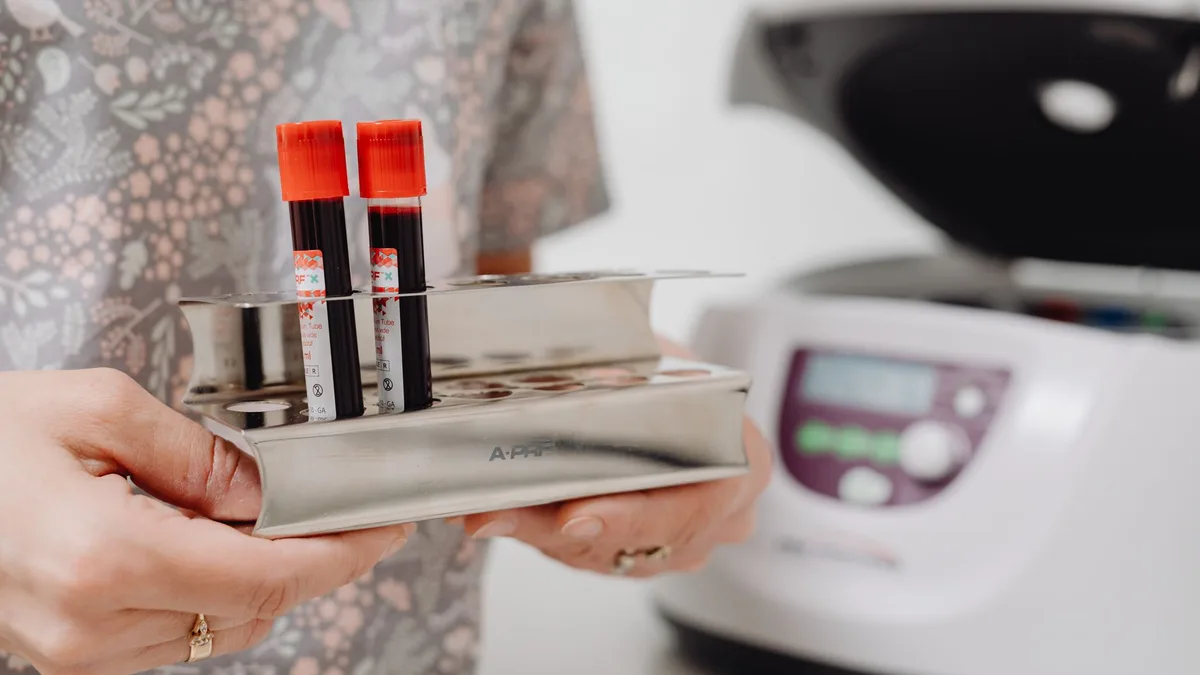
- Why it happens: many laboratory tests use a streptavidin-biotin binding system. Flood the blood with biotin and the assay misreads — producing results that can be falsely high or falsely low depending on the test.
- Which tests: troponin (heart attack), thyroid function, several hormone assays and some tumour markers.
- At what dose: the milligram doses typical of hair supplements — 5 to 10mg — are enough. That is hundreds of times the daily requirement.
- What to do: stop biotin at least two days before a blood test; if you are being tested urgently, tell the clinician you take it. Nearly a fifth of doctors surveyed were unaware of the interference, so say it out loud.
None of this means biotin is dangerous to swallow. It means the test results taken while you are on it may not be true — which, in an emergency, is its own kind of risk.
Does Biotin Actually Work?
For people who are not deficient — which is nearly everybody in this country — the honest answer is no.
- A published review concluded that the use of biotin as a hair supplement “is not supported by high-quality studies”, and that no study has shown biotin to benefit hair growth in healthy individuals.
- The best-designed trial available — double-blind and placebo-controlled — found no significant difference in hair growth between biotin and placebo.
- A normal diet provides roughly 35 to 70 micrograms of biotin a day against an adequate intake of 30. True deficiency is rare in industrialised countries.
- Where it does have support: diagnosed biotin deficiency, rare genetic conditions such as biotinidase deficiency, uncombable hair syndrome, and people on medications such as isotretinoin or valproic acid.
So biotin is not a scam so much as a solution to a problem most people do not have.
What the Evidence Says, Nutrient by Nutrient
| Nutrient | Evidence for hair | Verdict |
|---|---|---|
| Iron (ferritin) | Low stored iron is strongly associated with shedding; correction helps | Best-supported — but test first |
| Vitamin D | Deficiency associated with hair loss; common in the UK because of latitude | Worth checking; NHS separately advises a winter supplement |
| Zinc | Essential for follicle growth and repair; deficiency impairs function | Helps if deficient |
| Protein | Hair is protein; inadequate intake and rapid weight loss trigger shedding | Fundamental — food, not pills |
| Biotin | No benefit demonstrated in non-deficient people | Weak, plus the lab-test issue |
| Vitamin A | Excess is a recognised cause of hair loss | Do not over-supplement |
| Selenium | Toxicity causes shedding and brittle hair | Do not over-supplement |
Notice the shape of that table: the nutrients that help are the ones you were short of, and two of the most common ingredients in “hair, skin and nails” formulas cause hair loss in excess. Stacking a multivitamin, a hair supplement and a fortified drink is how people quietly overshoot.
Test, Don’t Guess
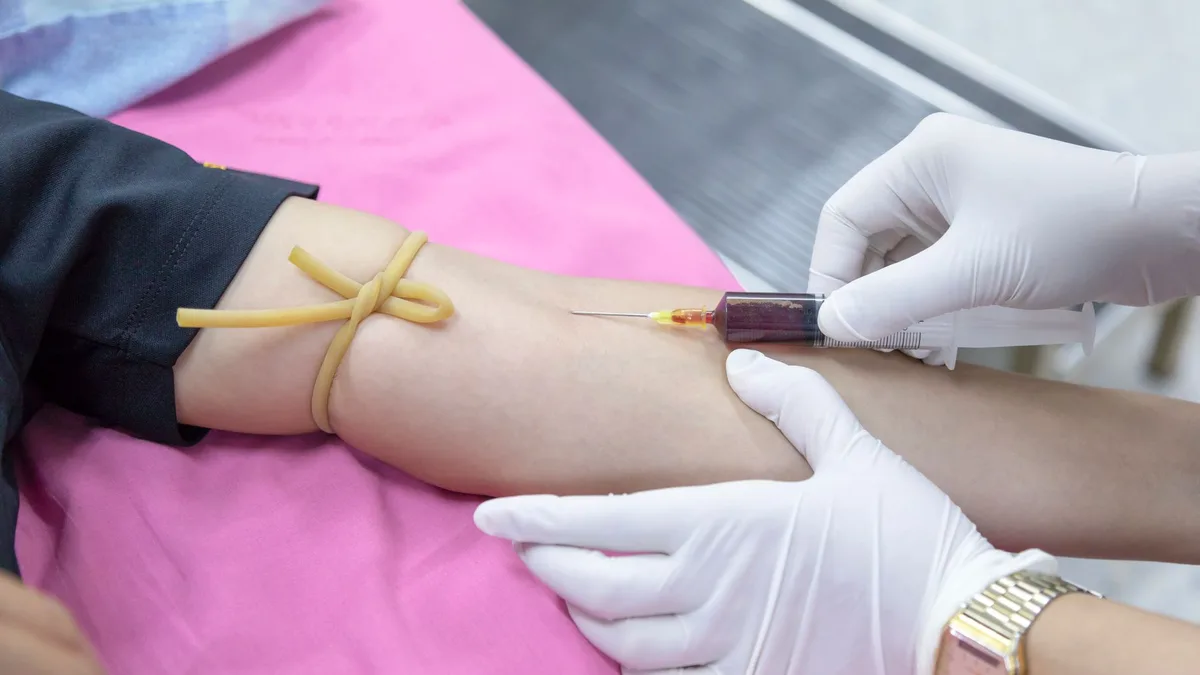
The whole category becomes rational the moment you have numbers. Ask your GP about:
- Ferritin — and ask for the actual figure. Below 30 ng/mL is strongly associated with shedding, and many clinicians working with hair prefer 70–100. A normal full blood count does not rule low ferritin out.
- Full blood count, to check for anaemia.
- Thyroid function — TSH and free T4 — since thyroid problems are a recognised cause of diffuse shedding.
- Vitamin D, particularly if you are indoors most of the day or have darker skin.
Then supplement what is actually low, at a dose your GP or pharmacist agrees, and retest. Our guide to hair loss treatment for women covers this pathway in more detail, since deficiency-driven shedding is far more common in women.
The One Supplement Most UK Readers May Reasonably Take
Vitamin D in autumn and winter. This is not a hair claim — it is national health guidance. The NHS advises considering a daily 10 microgram vitamin D supplement between October and March, because at this latitude we cannot make enough from sunlight, and year-round for people who are rarely outdoors or usually cover their skin.
Whether it improves your hair depends on whether you were deficient. Whether it is sensible for your general health is a settled question.
Diet Does More Than the Pot
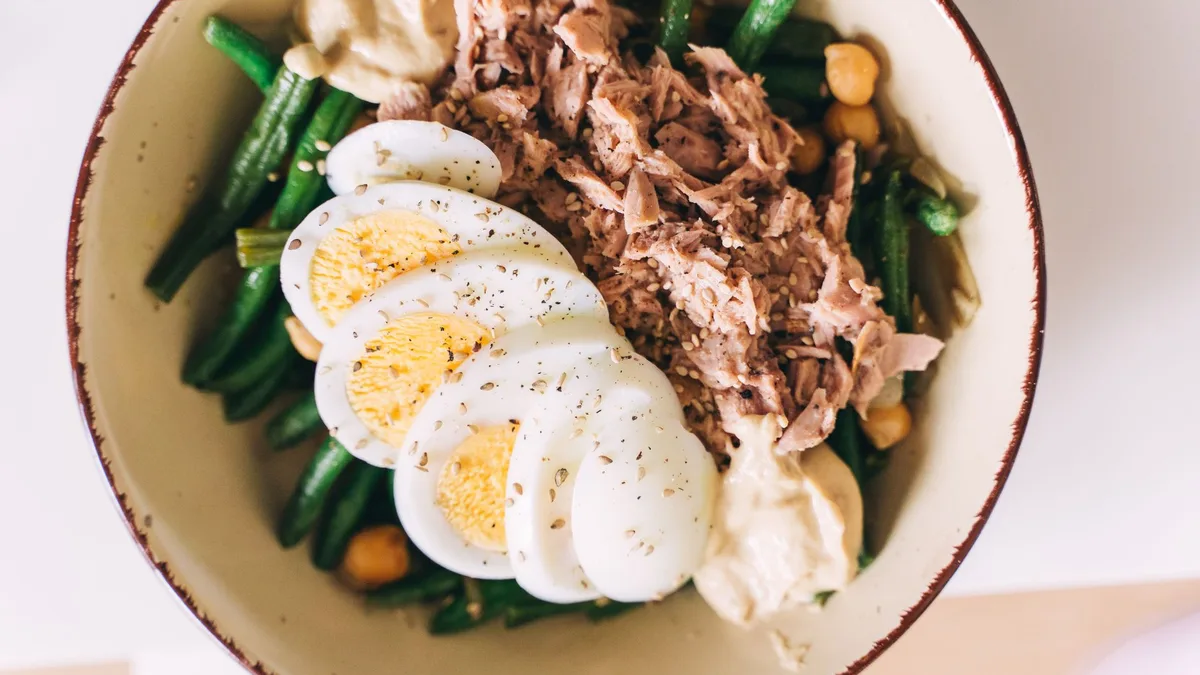
- Protein at every meal. Hair is keratin; the body deprioritises it fast when protein is short. This is why crash diets — and rapid weight loss on GLP-1 medication — so often produce shedding two to three months later.
- Iron with vitamin C. Red meat, pulses, dark leafy greens; pair plant sources with something citrus, which markedly improves absorption. Tea and coffee with meals do the opposite.
- Zinc from shellfish, meat, seeds and pulses.
- Omega-3s from oily fish, and enough overall calories — chronic under-eating shows up in hair before almost anywhere else.
- Lose weight slowly if you are losing it. The rate matters more than the method.
Marine Complexes and “Hair, Skin and Nails” Formulas
The proprietary marine-protein supplements do have published trials, and some show modest improvements in hair counts. Two caveats worth holding in mind:
- Most are funded by the brands selling them, with small sample sizes and short follow-ups. That does not make them wrong; it makes them provisional.
- They cost £25–£50 a month, ongoing. For the same annual spend you could have a GP conversation, a full blood panel privately if needed, and a licensed topical treatment with far better evidence behind it.
If you want to try one, do it after your bloods are known and give it six months — that is the timescale hair works on, whatever the packaging implies.
Frequently Asked Questions
Will hair supplements make my hair grow faster?
Only by removing a limitation you actually had. Hair grows about a centimetre a month, and nothing in a capsule speeds up healthy follicles. Correcting a genuine deficiency, however, can stop the shedding that was making your hair look thinner.
Should I stop taking biotin?
If you have no deficiency, there is little reason to continue — and one solid reason to be careful, which is blood-test interference. If you keep taking it, stop two days before any test and tell the clinician.
Can supplements help pattern hair loss?
Not meaningfully. Pattern loss is hormonal and genetic; UK clinical guidance does not recommend biotin or similar supplements as primary treatment. The options with real numbers behind them are covered in our guide to hair growth treatment.
Is it safe to take a hair supplement and a multivitamin?
Check the labels for overlap, particularly vitamin A and selenium — both cause hair loss in excess. Doubling up on fat-soluble vitamins is the most common way people accidentally make things worse.
How long should I give one?
Three to six months, and only if you had a reason to start. If your ferritin was low, retest after correcting it rather than judging by the mirror.
The Bottom Line
Get tested, correct what is genuinely low — most often iron, sometimes vitamin D — eat enough protein, and do not stack fat-soluble vitamins. Biotin has no demonstrated benefit for hair in people who are not deficient, and it can distort important blood tests, so stop it two days before bloods and say so at the appointment.
Everything else in the jar is optimism. Spend the money on the diagnosis first, and put the rest into the routine in our scalp care routine guide, which costs less and does more.