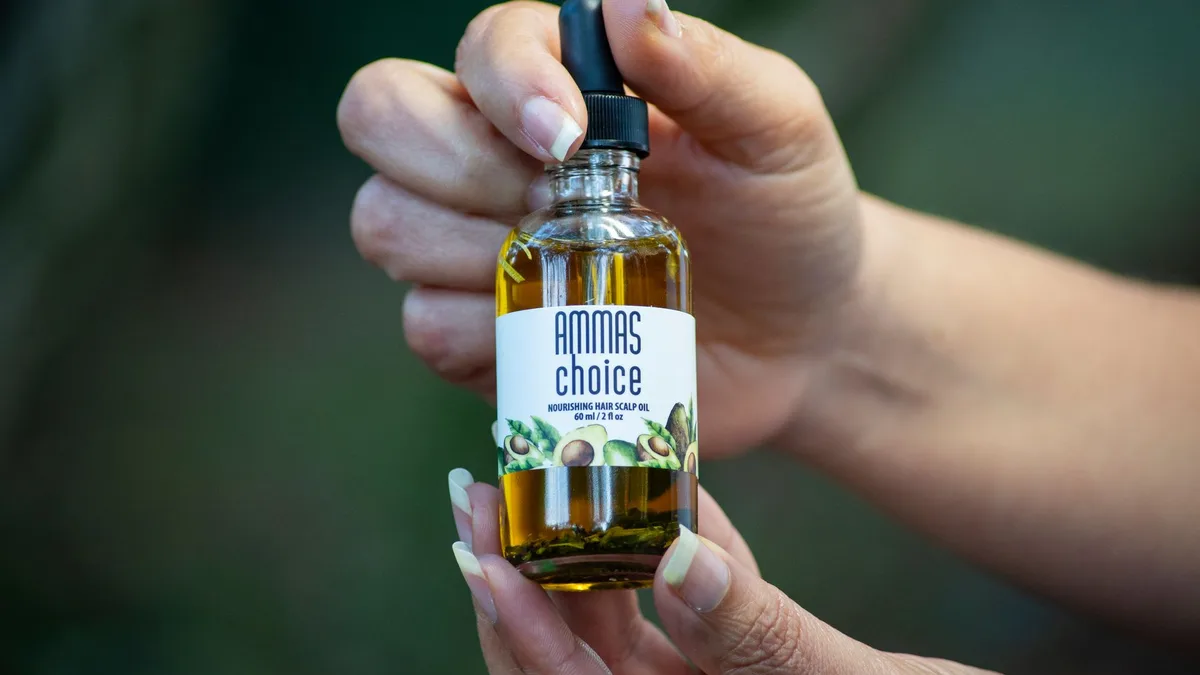
Two bottles sit on the same shelf, both promising regrowth, both around the same price. One is a licensed medicine that has been through clinical trials and will cause your hair to shed before it improves. The other is a cosmetic product with pleasant ingredients and no such obligation. Understanding which hair regrowth serum you are holding is the entire decision.
Licensed Medicine or Cosmetic Serum?
| Licensed topical (minoxidil) | Cosmetic “regrowth” serum | |
|---|---|---|
| Regulation | A medicine — trials for safety and efficacy required | A cosmetic — no efficacy trials required |
| How it works | Widens scalp blood vessels and directly extends the hair growth phase | Supports scalp condition, reduces breakage, helps the hair you already have |
| Typical actives | Minoxidil 2% or 5% | Caffeine, peptides, rosemary, niacinamide, botanicals |
| Time to visible change | 4–6 months | Variable; shedding reduction first, if at all |
| Initial shedding | Yes — expected and temporary | No |
| UK cost | About £15–£30 a month, over the counter | £20–£50, ongoing |
Both have a legitimate place. If your hair is genuinely thinning in a pattern, the licensed option is the one with numbers behind it — and it is often the cheaper of the two. If your concern is scalp health, breakage or mild shedding, a well-formulated cosmetic serum is a reasonable, gentler choice; our guide to scalp serums grades those ingredients by evidence.
The Shedding Phase Nobody Warns You About
Start a licensed topical and there is a good chance your hair will fall out more for a few weeks. This is normal, it is well documented, and it is the single most common reason people abandon a treatment that was in the middle of working.
- Why it happens: minoxidil accelerates the hair cycle. Hairs that were resting and destined to fall over the following months are pushed out sooner. It is premature loss of hair that was going anyway — not new damage.
- When: within the first few weeks of starting.
- How long: typically three to six weeks. UK clinics advise seeing a trichologist if it continues beyond about three months.
- How common: reported in 2.4 to 22 per cent of people using oral forms, and rarely in topical clinical trials — so if you are using a topical, the odds are in your favour.
- What to do: keep going. Conceal with a thickening spray or keratin fibres in the meantime, and expect density to improve three to four months after the shedding settles.
Knowing this in advance turns an alarming month into an expected one. Take a photograph of your parting before you start, because you will need something objective to look at during week five.
How to Apply It So It Works
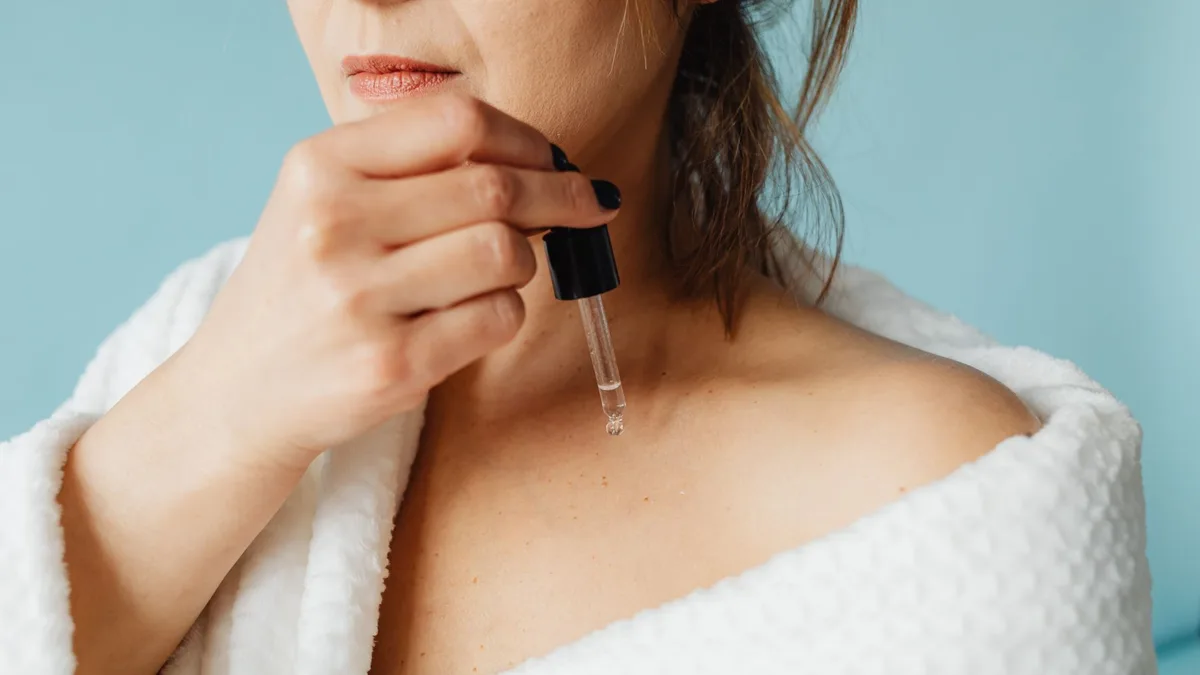
- Dry or towel-dried scalp. Not soaking — water dilutes the product straight off the skin.
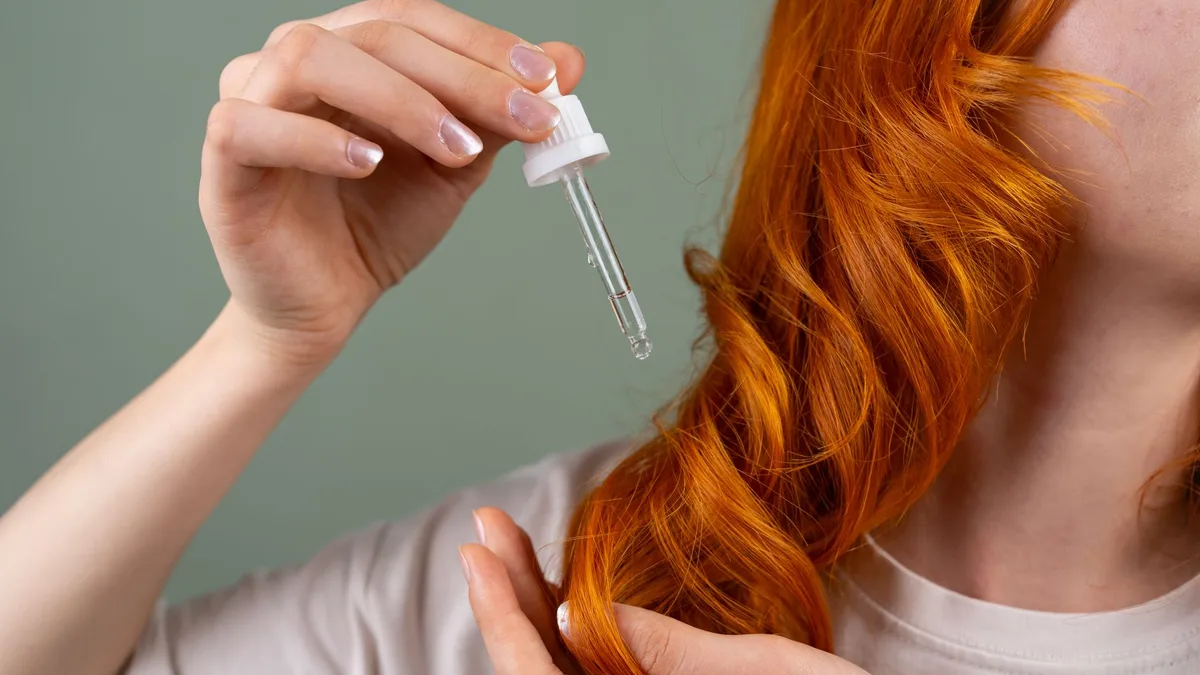
- Part the hair into sections so the product lands on scalp. This is a skin treatment, not a hair treatment, and applying it to the lengths achieves nothing.
- Cover the whole affected area — hairline, temples and crown as relevant — rather than concentrating the full dose on one patch. Loading one small area increases irritation without improving results.
- Massage in briefly, then wash your hands thoroughly. Transfer to the face is how people end up with unwanted facial hair.
- Let it dry completely before styling or sleeping — two to four hours before bed is the usual advice.
- Follow the product’s own frequency. Solutions are typically twice daily; some foams are once. The licensed instructions differ between men’s and women’s products, so ask the pharmacist rather than assuming.
- Do not skip days. Consistency determines the outcome more than anything else in this article.
If the solution stings or flakes your scalp, that is usually the alcohol and propylene glycol carrier rather than the active — foam formulations are generally better tolerated.
Reading a Cosmetic Serum’s Claims
- “Clinically proven” — proven to do what? Very often it refers to a consumer-perception study (“83% of users felt their hair looked fuller”) rather than measured hair counts.
- “Blocks DHT” — a serious pharmacological claim for a cosmetic. The evidence that topical botanicals meaningfully block DHT at the follicle is thin.
- Before-and-after photographs — different lighting, different styling, different parting. Not evidence.
- Ingredient lists worth respecting: caffeine, peptides and rosemary do have published data behind them, and a serum built on those is a sensible supportive product — just not a substitute for a medicine.
- Price is not a proxy for potency. A £45 botanical serum has no regulatory obligation to outperform a £20 one.
Making Either One Work Harder

- Exfoliate the scalp weekly. A serum applied over buildup reaches very little skin — our scalp scrub guide covers doing it without irritation.
- Treat any flaking or inflammation first. An inflamed scalp responds badly to everything, and medicated shampoo comes before growth products.
- Massage for four minutes daily. Free, evidenced, and it doubles as the absorption step — see our scalp massager guide.
- Ask about clinic microneedling. In randomised trials it substantially outperformed adding a second drug, and it is covered in our guides to hair growth treatment and hair loss treatment for women.
- Get your bloods checked. A topical will not overcome low ferritin or an untreated thyroid problem.
- Use cosmetic camouflage while you wait. Keratin fibres cover a visible parting today; the treatment works in six months. Both are allowed.
Frequently Asked Questions

How long before I see results?
Four to six months with consistent use of a licensed topical — and possibly a shedding phase first. Cosmetic serums typically show reduced shedding, if anything, around the eight-to-twelve-week mark. Judge either by photographs, not memory.
Do I have to use it forever?
To keep the results, yes. New growth from a licensed topical is lost within a few months of stopping. That is the trade-off, and it is worth understanding before you start rather than after.
Can I use a cosmetic serum alongside a licensed one?
Usually yes, but not at the same moment — let one dry completely before applying the other, and ideally use them at different times of day. If your scalp becomes irritated, drop back to one and reintroduce slowly.
Will it work on a receding hairline?
Results are generally better at the crown than at a mature hairline, and best where follicles are miniaturising rather than long gone. If an area has been completely bare for years, no topical is likely to change it.
My scalp itches and flakes since starting. Is that normal?
It is common with alcohol-based solutions. Try a foam formulation, apply to a clean scalp, and treat the flaking separately with a gentle medicated shampoo. Persistent irritation is worth a pharmacist or GP conversation rather than pushing through.
The Bottom Line
Check whether the bottle contains a licensed active or a cosmetic blend, because that determines what you can reasonably expect from it. If it is licensed, apply it to sectioned scalp across the whole affected area, expect a few weeks of extra shedding, and judge it at six months.
If it is cosmetic, treat it as scalp support rather than regrowth — useful, but not the thing that changes a pattern. And in either case, get the underlying causes checked first: a serum cannot outwork low ferritin, an untreated thyroid or an inflamed scalp.