
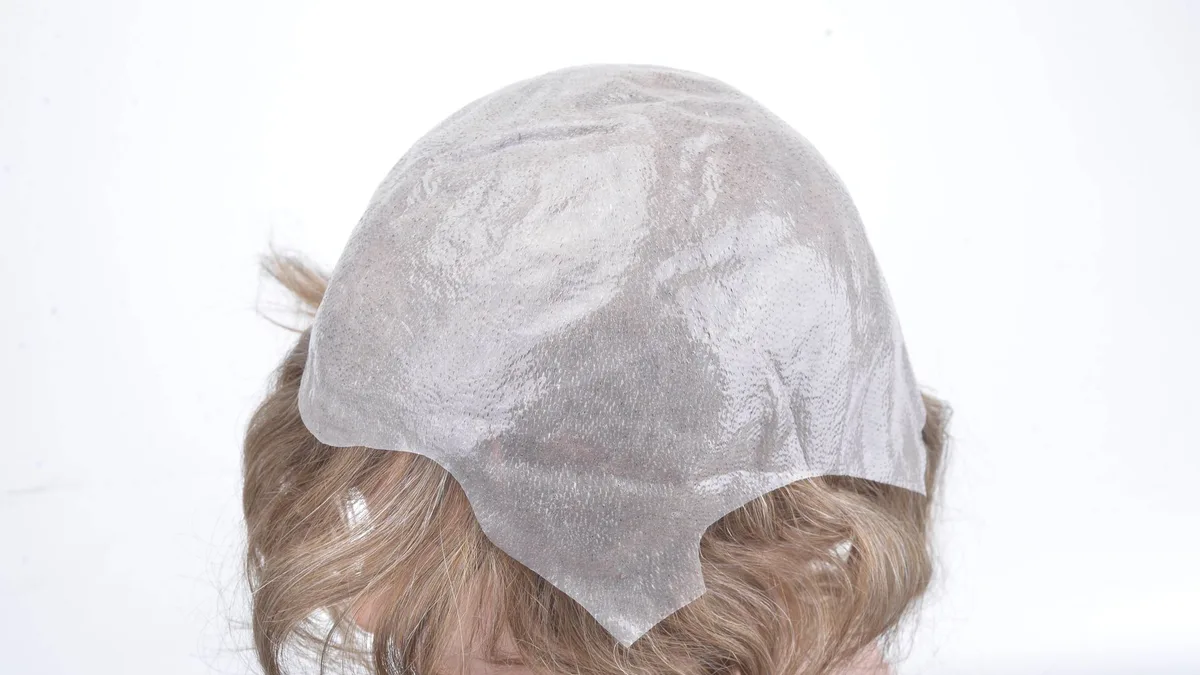
The difference between a wig that fools everyone and a wig that fools no one comes down to one thing: the hairline. Old-fashioned wigs gave themselves away with an obvious, solid edge across the forehead, but lace front wigs changed the game entirely, creating an illusion of hair growing from your own scalp. Get the application right and no one will ever know; get it wrong and the whole effect collapses. Mastering the adhesive, cap fit and hairline is the art here, and it is a standout in our guide to hair extensions and wigs.
What Makes a Lace Front Different
A lace front wig has a panel of sheer, skin-toned lace at the front, into which individual hairs are hand-tied. When applied against the skin, this lace becomes nearly invisible, so the hair appears to grow directly from your hairline rather than starting at a hard wig edge. That realism is why lace fronts have become the standard for natural-looking wigs, whether for fashion, versatility or hair loss. The lace is the magic — and also the delicate part that demands careful handling.
Getting the Cap Fit Right
Before any adhesive, the wig has to fit. A cap that is too loose shifts and looks unnatural; too tight, and it is uncomfortable and can cause tension. Most wigs have adjustable straps and combs to secure the fit, and wearing a wig cap underneath both protects your own hair and gives a smooth base. Your own hair should be flattened neatly — braided, wrapped or pinned — so there is no lumpiness under the cap. A secure, smooth foundation is what everything else is built on.
Adhesives and a Natural Hairline
The hairline is where lace fronts are won or lost. Many people secure the lace with wig glue or adhesive tape along the forehead for a flat, seamless edge, though gentler no-glue methods using elastic bands and the wig’s own grip are increasingly popular and kinder to the skin. Whatever the method, two techniques sell the realism: plucking the hairline slightly to make it less dense and more natural, and trimming the excess lace carefully along the hairline. A little tinting of the lace to match your skin finishes the illusion.
Application Tips for Realism
- Prep the skin if using adhesive, cleansing and (for some) using a scalp protector before glue.
- Cut the lace carefully, following the hairline and leaving a tiny amount rather than cutting into the hairs.
- Add baby hairs by laying a few fine hairs at the edge for a softer, more natural hairline.
- Style it back off the face once secure, and blend the parting to look like a real scalp.
Protecting Your Skin and Hair
Wigs are wonderful, but the adhesives and daily wear can stress the delicate skin and hairline underneath. Give your skin breaks from strong glues, remove adhesive gently with the proper solvent rather than pulling, and keep your natural hair and scalp healthy underneath with a good scalp care routine. Whether the wig is human hair or synthetic also affects how you style and care for it.
The Takeaway
Lace front wigs create a beautifully natural hairline that makes a wig undetectable — but only with the right cap fit, careful adhesive or grip, and a plucked, trimmed, natural-looking hairline. Prep a smooth base, handle the delicate lace gently, and finish with baby hairs and a tinted edge. Master the application and a lace front gives you a flawless, natural head of hair that no one will ever guess is a wig.