Clip-ins are wonderful, but there comes a point where taking them out every night and putting them in every morning stops feeling like magic and starts feeling like a chore. That is where tape-in extensions come in: semi-permanent length you wake up with, live your life in, and forget you are wearing. They look and feel more natural than clip-ins and demand nothing of your daily routine — but they come with a bigger commitment in cost, maintenance and the need for professional care. Understanding all of that before you book is the smart move within our guide to hair extensions and wigs.
How Tape-Ins Work
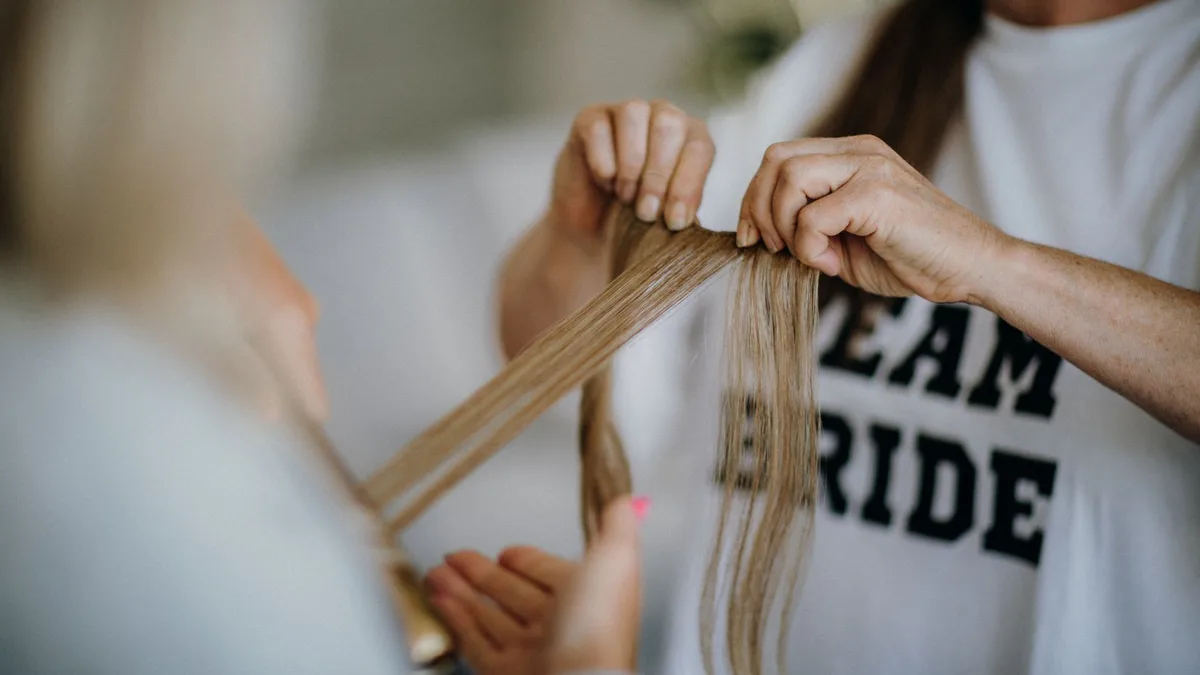
Tape-in extensions are thin wefts of hair with a strip of medical-grade adhesive tape along the top. A professional sandwiches small sections of your own hair between two tape wefts, bonding them close to the root. The result lies flat and blends seamlessly, which is why tape-ins look so natural and feel comfortable. They stay in continuously for several weeks, through washing, sleeping and styling, until they need to be professionally removed and re-taped higher up as your natural hair grows out.
The Real Cost and Commitment
This is where honesty matters. Tape-ins are a genuine investment: the initial application by a professional is significant, and because your hair grows, they need moving up every six to eight weeks or so, which means ongoing maintenance appointments and cost. The hair itself can often be reused for a few applications, which softens the blow, but the salon time adds up. Going in expecting a one-off purchase leads to sticker shock; going in understanding the ongoing commitment leads to satisfaction.
Living With Tape-Ins
Day to day, tape-ins are refreshingly low-effort, but a few habits protect both them and your hair. Avoid getting heavy oils and conditioners near the tape bonds, as they can loosen the adhesive. Be gentle brushing near the roots, tie hair up loosely for sleep and exercise, and use sulphate-free products. Wait a couple of days after application before washing to let the bonds set. Treated kindly, tape-ins stay comfortable and secure for their full wear; treated roughly, they slip or stress the hair.
Safe Removal Is Everything
The single most important rule with tape-ins is never to pull them out yourself. Removal requires a specific solvent that gently dissolves the adhesive so the wefts slide out without taking your own hair with them. Yanking at them, or leaving them in far too long, is how people end up with breakage and damage. Always have them removed and reapplied by a professional, on schedule — this is not a corner to cut. Proper removal is what keeps your natural hair healthy through the process.
Are Tape-Ins Right for You?
Tape-ins suit people who want natural-looking, wake-up-ready length and will commit to the maintenance and cost — and whose own hair is healthy enough to support them. If you want length only occasionally or on a budget, clip-in extensions are the lower-commitment choice. And if you want a complete change of look rather than added length, the versatility of lace front wigs may suit you better.
The Takeaway
Tape-in extensions give the most natural, effortless everyday length — but they are a real commitment of cost, maintenance and professional care. Understand the ongoing appointments, treat them gently, keep oils away from the bonds, and never remove them yourself. Go in with clear expectations and healthy hair, and tape-ins reward you with beautiful length you barely have to think about.