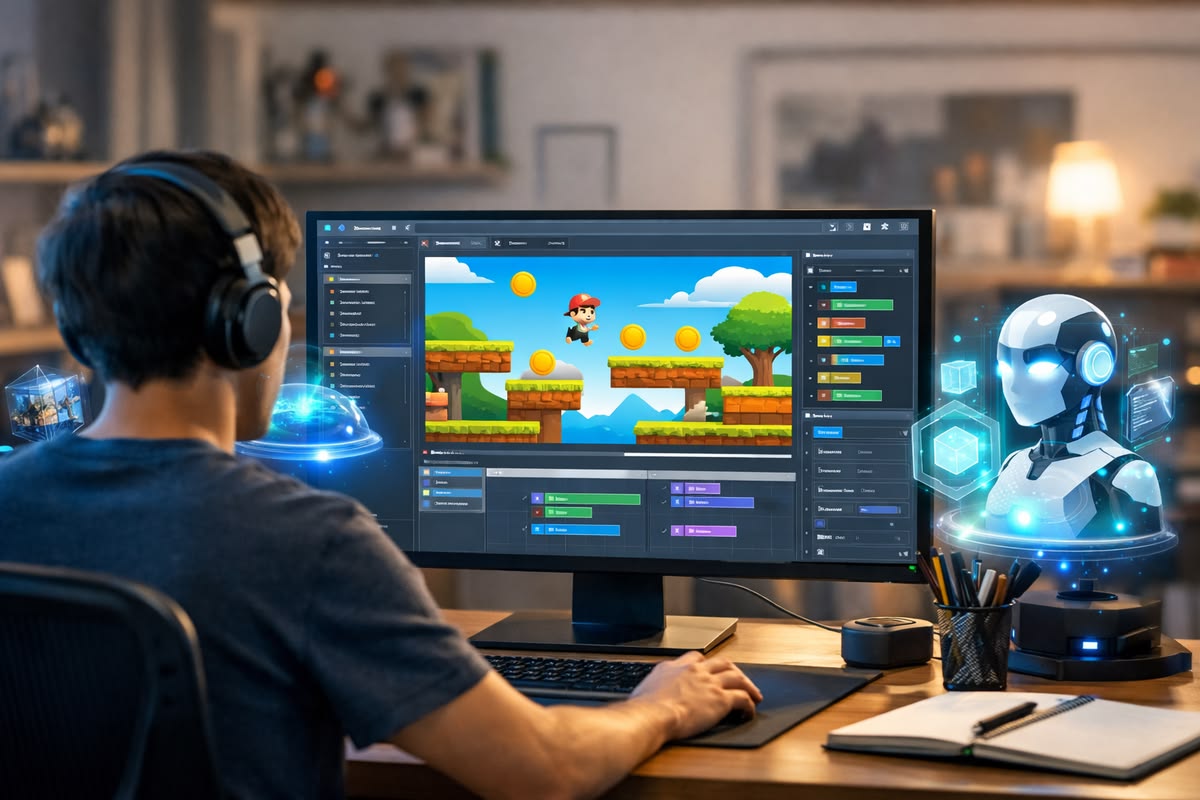
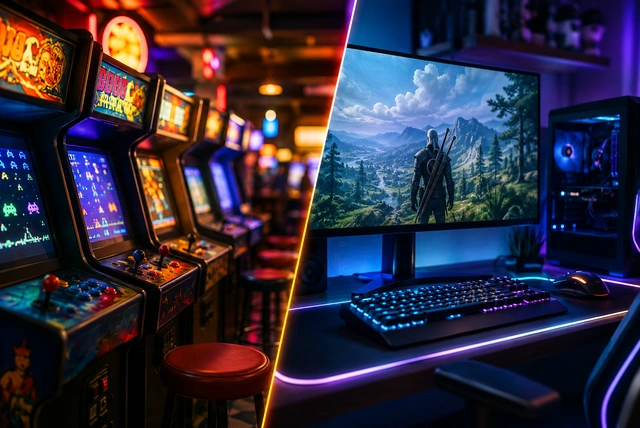
Imagine walking into a busy arcade on a Friday evening. The room is filled with flashing lights, excited voices, and the familiar sounds of machines that have entertained players for decades. A few streets away, another gamer sits comfortably at home, wearing a headset and exploring a massive online world with friends from different countries. Both are gaming, both are having fun, yet their experiences could not be more different. This contrast is exactly why the debate around arcade games vs modern video games continues to capture attention in 2026.
Gaming has changed dramatically over the years. What started with simple arcade cabinets has evolved into a global industry powered by advanced gaming technology, online gaming platforms, mobile devices, and virtual reality. Yet despite all these innovations, classic arcade games continue to attract players of all ages. Some gamers love the instant excitement and skill-based challenge of arcade gaming, while others prefer the deep stories, multiplayer features, and endless possibilities found in modern video games. The most interesting part is that many players enjoy both. To understand what players really prefer in 2026, we need to explore how gaming evolved, why arcade culture still matters, and how modern gaming continues to shape the future of digital entertainment.
How Arcade Gaming Created the Foundation of the Video Game Industry
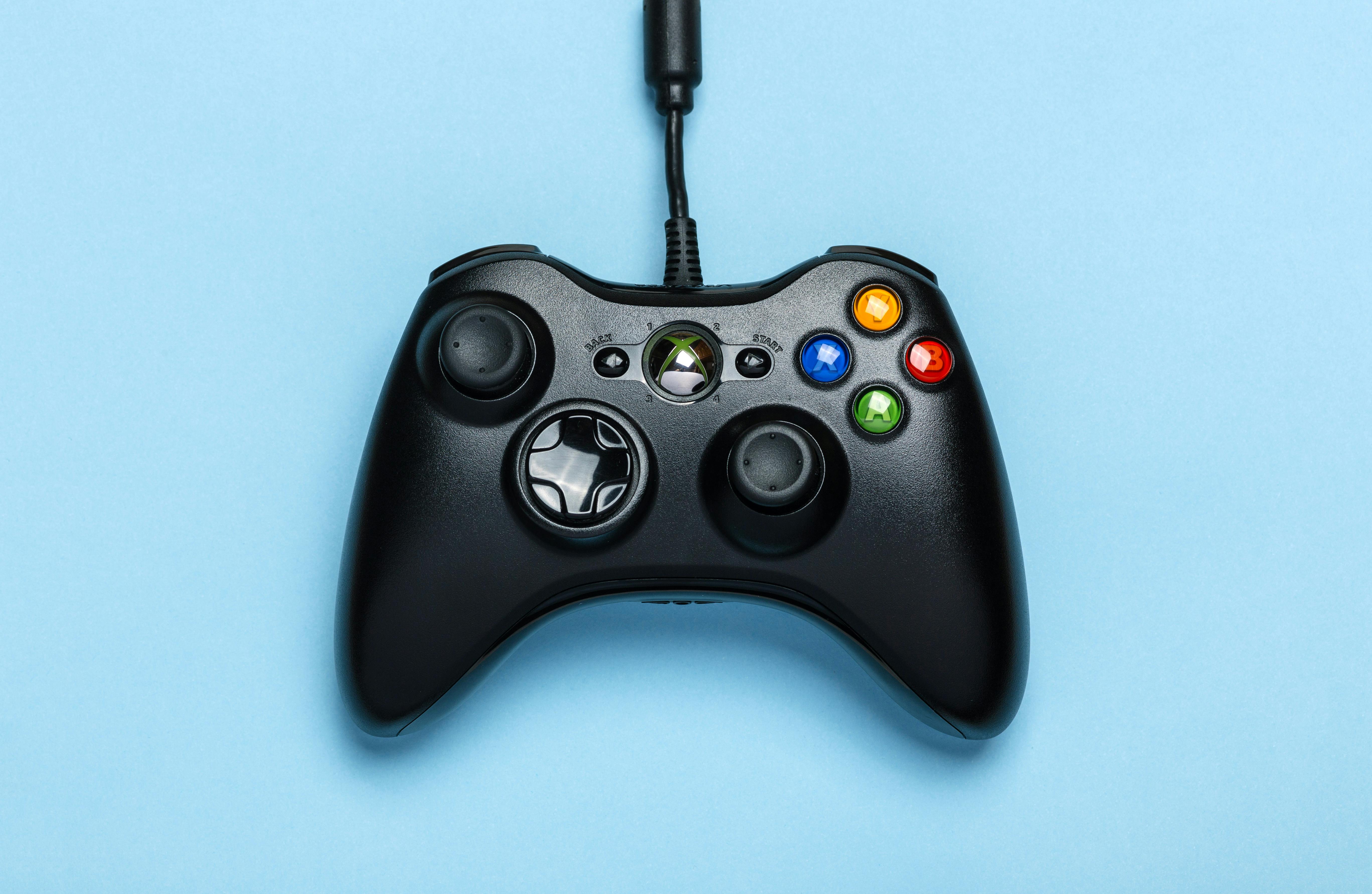
Image source: pexels.com
Before gaming consoles filled living rooms and smartphones placed thousands of games into our pockets, arcades were the centre of gaming culture. Walking into an arcade was an experience unlike anything else. Players gathered around machines, watched skilled gamers chase high scores, and celebrated every achievement together. Arcade gaming was social, competitive, and exciting. Most classic arcade games were built around simple controls and immediate gameplay, making them easy for anyone to pick up and enjoy. However, mastering these games required dedication, practice, and quick reflexes.
The influence of arcade culture can still be seen everywhere in modern gaming. Features such as leaderboards, achievements, rankings, and reward systems all have roots in classic arcade design. Many modern game mechanics were inspired by arcade principles that encouraged players to keep improving and competing. Even today, some of the most successful games use the same formula: simple gameplay that is easy to understand but difficult to master. This lasting influence proves that arcade gaming was not just a phase in gaming history. It helped build the foundation of the entire video game industry.
Why Modern Video Games Changed the Way People Play

Image source: pexels.com
Imagine explaining today’s gaming world to someone who last played in an arcade during the 1980s. They would likely be amazed. Modern video games offer massive worlds, realistic graphics, online communities, and stories that can last for hundreds of hours. Players are no longer limited to local competition. They can now join multiplayer matches with people from different countries, build friendships online, and participate in global esports tournaments.
Gaming has evolved from simple experiences into advanced virtual environments powered by cutting-edge technology. This transformation has turned gaming into one of the world’s largest entertainment industries. Modern games allow players to customise characters, create virtual homes, complete story-driven quests, and interact with huge online communities. Many younger gamers enjoy creative experiences similar to building unique worlds using Minecraft build ideas or improving gameplay with a Minecraft beacon. These experiences highlight how modern gaming focuses on creativity, exploration, and personal expression in ways that were impossible during the early arcade era.
Arcade Games vs Modern Video Games: Side-by-Side Comparison
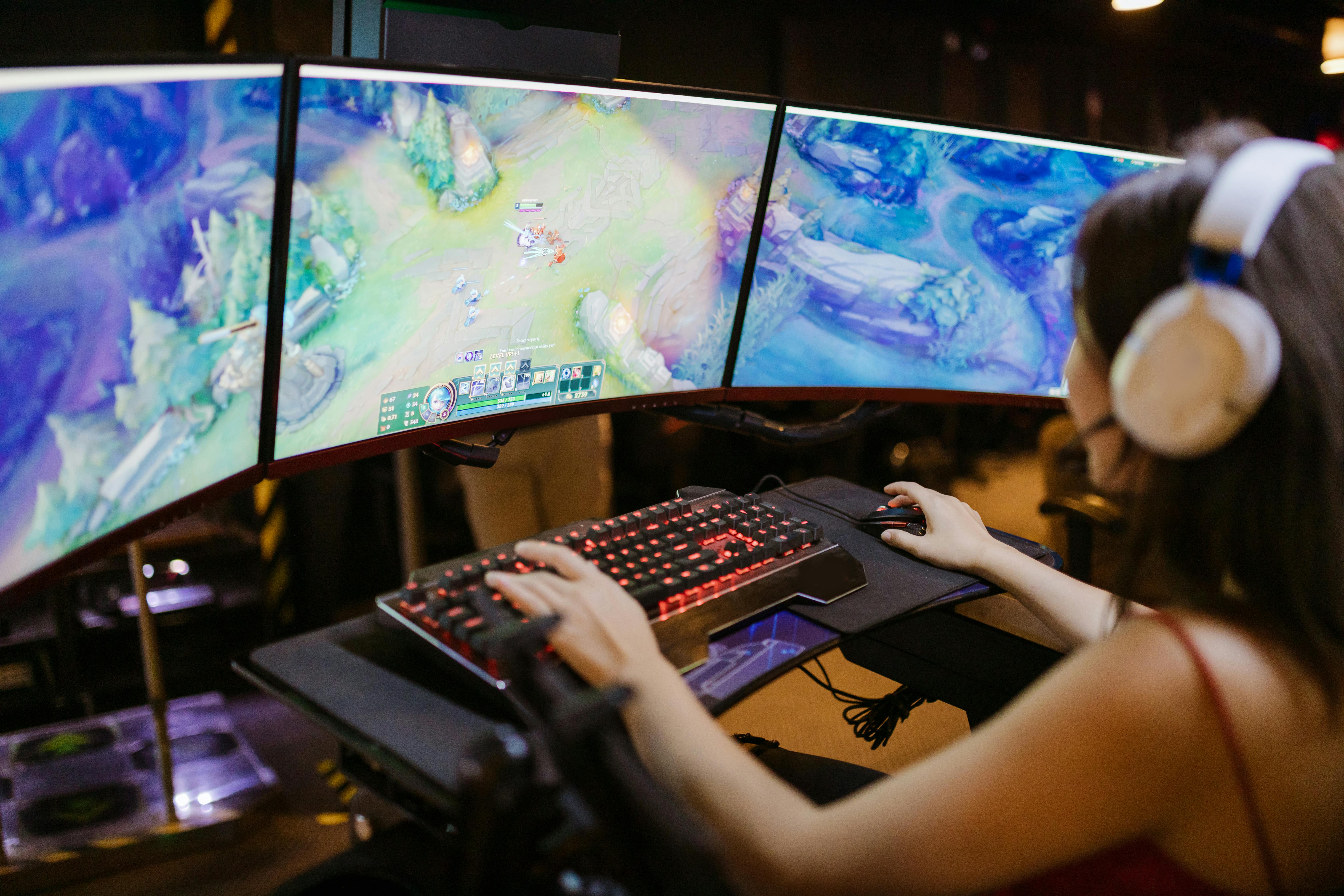
Image source: pexels.com
Many gamers ask which style is actually better. The truth is that both arcade games and modern video games offer unique advantages. The answer often depends on what the player is looking for at that particular moment. Someone with only twenty minutes to spare may prefer a fast arcade challenge, while another player may want to spend an entire evening exploring a detailed game world.
| Feature | Arcade Games | Modern Video Games |
|---|---|---|
| Gameplay Length | Short sessions | Long sessions |
| Learning Curve | Easy to start | Often more complex |
| Graphics | Simple visuals | Advanced graphics |
| Competition | High-score focused | Online multiplayer and esports |
| Accessibility | Arcades or online versions | Console, PC, mobile, cloud gaming |
| Skill Focus | Strong emphasis on reflexes | Mix of skill, strategy, and progression |
This comparison shows why the arcade games vs modern video games debate remains active. Each style delivers a different type of gaming experience, making them suitable for different audiences and situations.
Why Retro Gaming Continues to Attract New Generations

Image source: pexels.com
One surprising trend in 2026 is the continued popularity of retro gaming. While many people assume only older gamers enjoy classic titles, younger players are increasingly discovering arcade-inspired experiences through online platforms and remastered collections. Nostalgia is one reason retro games remain popular, but it is not the only reason. Many players appreciate their simplicity, straightforward goals, and rewarding gameplay.
Strong gameplay never goes out of style. A teenager discovering Pac-Man today can still experience the same excitement that players felt decades ago. This timeless appeal explains why retro gaming communities continue to grow. Even simple activities such as exploring Minecraft coloring pages reflect a broader desire for accessible and enjoyable gaming experiences that do not always require expensive hardware or complicated mechanics.
Gaming Trends in 2026: Where the Industry Is Heading

Image source: pexels.com
If someone had predicted twenty years ago that gamers would be playing on smartphones, competing in global tournaments, and exploring virtual reality worlds, many people would have struggled to believe it. Yet that is exactly where gaming stands in 2026. One of the biggest trends shaping the industry is the blending of retro gaming with modern technology. Modern arcades are combining classic gameplay with technologies such as virtual reality, interactive attractions, and digital connectivity. This allows players to enjoy familiar experiences in completely new ways.
Another major trend is accessibility. Gaming is no longer limited to expensive consoles or gaming PCs. Mobile gaming, browser games, cloud gaming, and online gaming platforms have opened the doors to millions of new players. Students often enjoy quick gaming sessions through platforms like Classroom15x, while casual players can access thousands of games directly from their phones. These developments show that the future of gaming is focused on convenience, flexibility, and choice. Rather than replacing older styles of gaming, modern technology is helping preserve and expand them. That is why both arcade gaming and modern video games continue to thrive together in today’s entertainment landscape.
How Online Arcade Games Are Keeping Arcade Culture Alive
Image source: pexels.com
For many years, people believed arcades would eventually disappear as home gaming systems became more powerful. Instead, arcade culture adapted. Today, many classic experiences are available through online arcade games, virtual arcades, and browser-based platforms. Players no longer need to visit a physical arcade to enjoy the excitement of chasing a high score. As arcade gaming continues to evolve, many players now enjoy these experiences through online platforms. For those interested in playing arcade games, digital services offer an easy way to access arcade-style entertainment without visiting a traditional gaming venue.
This shift has helped preserve arcade culture while making it more accessible than ever before. Players can enjoy browser games, mobile arcade titles, and online challenges from almost anywhere. The rise of virtual arcades has also allowed classic games to reach audiences who may never have visited a physical arcade. At the same time, modern developers continue to borrow arcade concepts such as score chasing, fast gameplay loops, and skill-based competition. The result is a blend of old and new that benefits everyone. Rather than competing directly, arcade gaming and modern technology are working together to create fresh experiences that appeal to players of all ages.
The Rise of Competitive Gaming: From Arcades to Esports

Image source: pexels.com
Competition has always been part of gaming. In the arcade era, players gathered around machines to watch someone attempt a record-breaking score. Friends challenged each other, local champions earned respect, and every game felt like a public event. While the technology has changed, the desire to compete remains the same. Today, esports has become the modern version of competitive gaming, allowing players to test their skills against opponents from around the world.
The difference is scale. Arcade competitions were usually local, while modern esports tournaments attract global audiences. Yet the underlying motivation remains surprisingly similar. Players still want to improve, achieve recognition, and prove their abilities. Whether someone is competing in a classic arcade game or participating in an online tournament, the thrill of competition continues to drive engagement. This connection shows how arcade gaming helped create many of the competitive traditions that remain important in the video game industry today.
What UK Gamers Really Prefer in 2026
Image source: pexels.com
If you ask a UK gamer whether they prefer arcade games or modern video games, the answer is often unexpected. Many players do not choose one over the other. Instead, they select games based on their mood, available time, and personal interests. Someone might spend the afternoon building creative worlds inspired by Minecraft build ideas and later enjoy a quick arcade challenge before going to bed. Others might enjoy community-focused activities similar to summer camp games or traditional competitive experiences like Kerby Ball.
The biggest trend is flexibility. Modern gamers enjoy having options. Arcade games provide instant fun and measurable skill progression, while modern video games offer immersion, storytelling, and social interaction. The growing popularity of retro collections, online arcade games, and arcade-inspired indie titles suggests that both styles continue to meet important player needs. In 2026, gaming preferences are less about choosing sides and more about enjoying different experiences for different occasions.
Arcade Games vs Modern Video Games: Which One Should You Choose?
Image source: pexels.com
The answer depends entirely on what kind of gaming experience you want. If you enjoy fast action, quick sessions, skill-based challenges, and the excitement of chasing high scores, arcade gaming may be the perfect choice. Classic arcade games remain some of the most rewarding experiences for players who enjoy improving through practice and determination. On the other hand, if you prefer rich stories, detailed worlds, online communities, and long-term progression, modern video games will likely offer more value.
The good news is that you do not have to choose just one. Many players combine both styles. They may enjoy immersive modern adventures during weekends and switch to arcade-style games during shorter breaks. This balanced approach reflects how gaming has evolved. The best gaming experience is not about following trends. It is about finding the games that bring you the most enjoyment, challenge, and satisfaction.
Final Thoughts
When comparing arcade games vs modern video games, the real winner is the player. The gaming industry has reached a point where both styles can thrive together. Arcade games continue to offer quick, exciting, and skill-based entertainment, while modern video games provide immersive worlds, advanced technology, and global communities. What makes 2026 special is that gamers no longer have to choose one path. They can enjoy retro gaming for nostalgia and challenge while embracing modern experiences for creativity and connection.
Whether you enjoy chasing high scores, exploring virtual worlds, competing online, or discovering new gaming trends, there has never been a better time to be a gamer. The future of gaming is not about replacing the past. It is about building on it. As technology continues to evolve, both arcade gaming and modern video games will remain important parts of interactive entertainment for years to come.
Disclaimer
This article is based on publicly available information, gaming history resources, industry discussions, and gaming trend analysis available at the time of writing. Gaming preferences, technology developments, and market trends may change over time. The content is intended for informational purposes only and reflects available information as of 2026.
Frequently Asked Questions
What is the biggest difference between arcade games and modern video games?
The biggest difference is the style of gameplay. Arcade games focus on quick sessions, high scores, and skill-based challenges, while modern video games usually offer larger worlds, deeper stories, online multiplayer features, and long-term progression systems.
Why are classic arcade games still popular in 2026?
Classic arcade games remain popular because they are simple, challenging, and easy to play. Many players enjoy the nostalgia they provide, while younger gamers appreciate their straightforward gameplay and quick entertainment value.
Are online arcade games replacing physical arcades?
Online arcade games have expanded access to classic experiences, but they are not completely replacing physical arcades. Many players still enjoy visiting arcade venues for the social atmosphere and unique gaming environment.
Do modern video games offer better experiences than arcade games?
Not necessarily. Modern video games offer more features, advanced graphics, and larger worlds, but arcade games provide quick, focused gameplay that many players find equally enjoyable. The best choice depends on personal preferences.
How has arcade gaming influenced modern game design?
Arcade gaming introduced concepts such as leaderboards, reward systems, high-score competition, and replayable gameplay loops. These ideas continue to influence many modern games across different genres.
What do most gamers prefer today?
Many gamers enjoy a combination of both arcade games and modern video games. They often choose arcade-style experiences for quick entertainment and modern titles for deeper stories, multiplayer interaction, and long-term engagement.