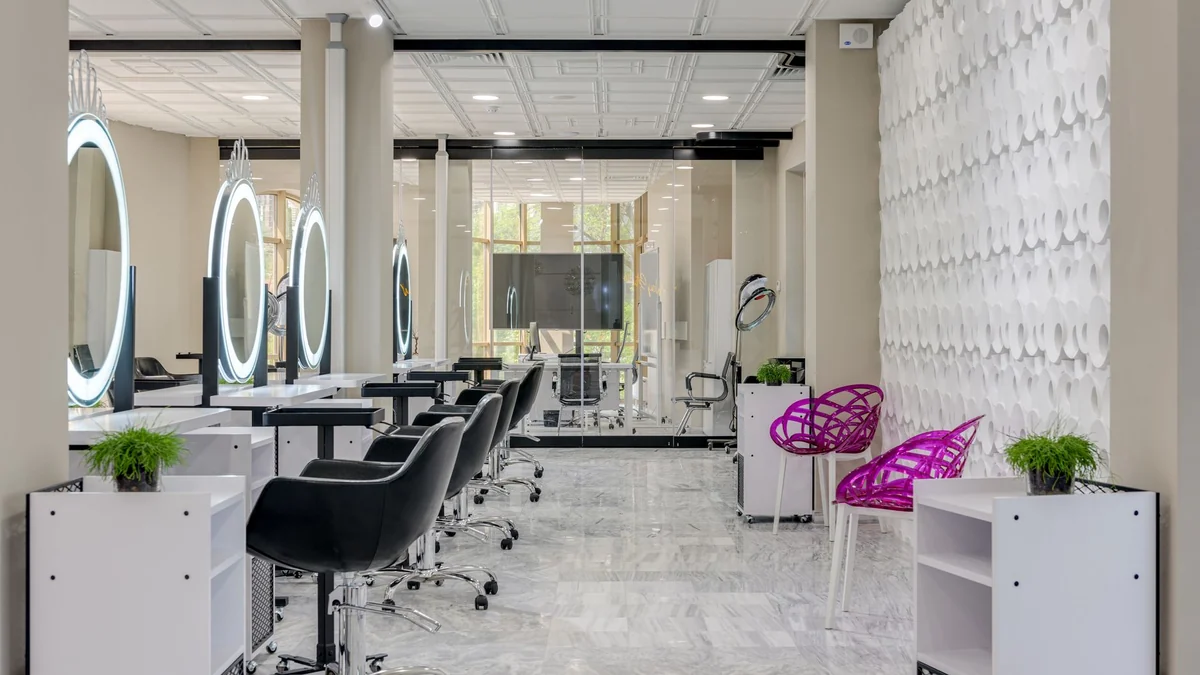
Choose a styling chair by who will use it and how, not by how it looks in a photo. Check the height range and pump, whether the upholstery can be cleaned with products you can safely use, how comfortable it is for clients and stylists, whether you can adapt it for disabled clients, and what the warranty actually covers. UK prices vary enormously: on 14 November 2026 we found styling chairs from £149 to £1,559 before VAT across two UK salon suppliers, with budget ranges clustering around £200 to £400 and premium Takara Belmont models around £850 to £1,560 (Salons Direct; DIR Store). This guide from The London Report sets out the checks that matter, with the data behind them.
Key takeaways
- Ergonomics matters for stylists: a 2019 scoping review of 44 studies found 12-month musculoskeletal pain prevalence of up to 76% for the lower back, 58% for the neck and 60% for the shoulder in hairdressers (Kozak et al. 2019, scoping review).
- Price range: 26 chairs at DIR Store cost £149 to £299 ex VAT. At Salons Direct, REM chairs have a median of £399, Ayala £399 and Takara Belmont £1,214 (all ex VAT).
- Accessibility is a legal point: under the Equality Act 2010, a “physical feature” includes furniture and equipment in your premises, and the duty to make reasonable adjustments can apply to services (Equality Act 2010, section 20).
- Ask for the warranty in writing: what is covered, for how long, whether the pump is included, and whether labour is covered.
- Plan for upkeep: choose upholstery you can clean safely and see our styling chair maintenance and cleaning guide.
Start with the people who use the chair
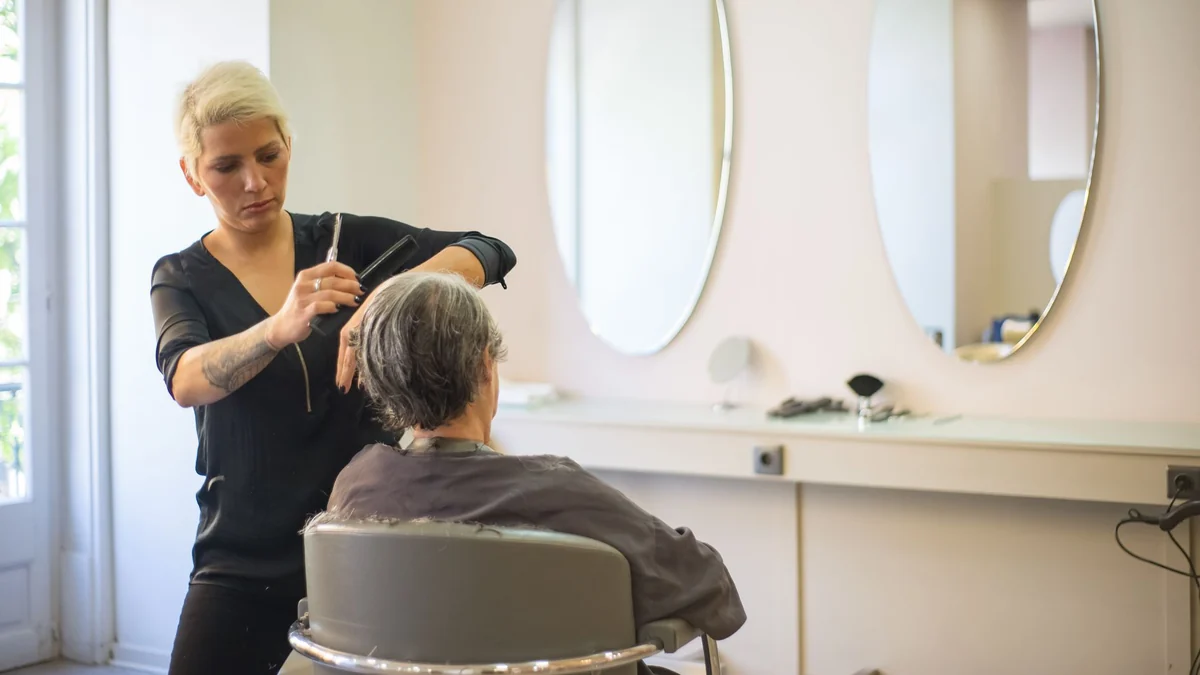
A styling chair is used by two people: the client sitting in it and the stylist working around it. Hairdressers spend a lot of time in awkward postures. A scoping review of 44 studies published in 2019 found they spend on average 29% of their time cutting, 17% colouring, 10% blow-drying and 8% washing hair, and 9% to 13% of working time with their arms raised above 60 degrees (Kozak et al. 2019, scoping review). Working with arms above shoulder level, repetitive movements, awkward back postures and standing were among the common risk factors.
What this means for chair choice: the chair should raise and lower easily and over a wide enough range that stylists can bring the client to a comfortable working height, rather than lifting their arms. The research does not test particular chair models, so this is our reading of the risk factors, not a finding about any product.
The features that matter
| Feature | What to look for | Why it matters |
|---|---|---|
| Height range and pump | A wide, smooth lift range. Ask for the pump’s rated load and number of lift cycles. One UK retailer states its pump handles over 450 lb (about 204 kg) and is rated for 100,000 cycles; treat such figures as supplier claims | A chair that cannot reach a comfortable working height forces stylists to stretch or bend; the pump is the part most likely to fail |
| Seat and padding | Dense foam and a seat depth that suits your clients | Long colour and cutting appointments are uncomfortable on thin padding |
| Upholstery | Faux leather or vinyl that wipes clean, with a manufacturer care sheet | Strong cleaners can harden and crack vinyl (see the cleaning section) |
| Base and swivel | A stable base, a smooth swivel and a footrest that suits your clients | Stability and ease of movement reduce wobble and fatigue |
| Arms and headrest | Arms that suit your client mix. Check whether they lift or detach, and whether a headrest is included | Wide arms can make transfers harder for some clients |
| Recline | Only if you offer services that need it, such as facials or shampooing at the chair | Moving parts add cost and upkeep |
| Warranty and spares | Written terms covering parts and labour, and a supplier who stocks spare pumps and castors | A broken pump can take a station out of use |
What styling chairs cost in the UK
We took a price snapshot on 14 November 2026 from two UK salon suppliers, using their published product lists: 26 chairs at DIR Store and 34 styling chairs at Salons Direct, after excluding backwash chairs, covers and parts. All prices are before VAT, which is shown separately on both sites; add 20% for the VAT-inclusive price.
| Supplier and brand | Chairs | Lowest | Median | Highest | Median inc VAT |
|---|---|---|---|---|---|
| DIR Store, all brands | 26 | £149 | £209 | £299 | £251 |
| Salons Direct: REM | 14 | £289 | £399 | £693 | £479 |
| Salons Direct: Ayala | 7 | £329 | £399 | £589 | £479 |
| Salons Direct: Takara Belmont | 12 | £849 | £1,214 | £1,559 | £1,457 |
Price does not prove quality, and a low price may mean thinner padding, a lighter pump or limited spares. A higher price may buy a brand with a longer warranty and parts supply, but check that in writing. Set a budget per station, include delivery, and compare it with the cost of lost trading if a chair fails. For wider business planning, see our guide to small business ideas in the UK, and for payments, see card payment machines for small businesses.
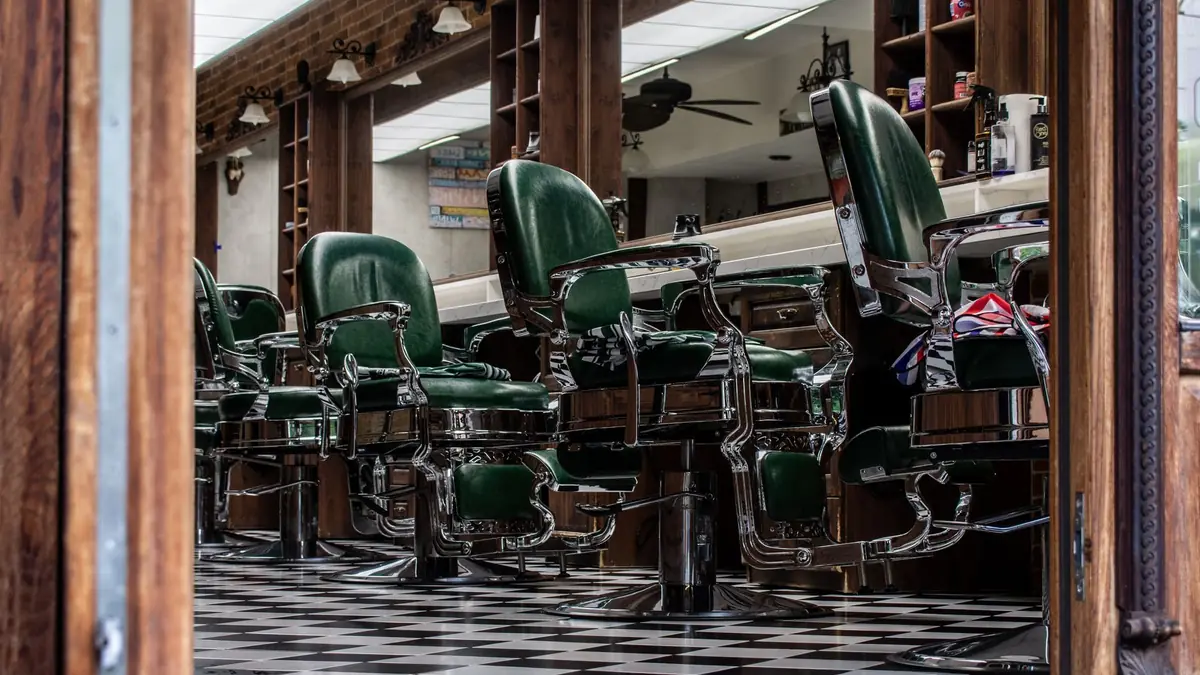
Upholstery and cleaning compatibility
Choose upholstery you can keep clean without damaging it. DIR Store advises warm soapy water and a plain rinse for vinyl and says to avoid harsh soaps, alcohol-based disinfectants and abrasive cleaners (DIR Store cleaning guide). Belmont UK, a treatment-chair maker, said in a sponsored article that repeated exposure to high-alcohol formulations can harden upholstery and cause cracking (Dentistry.co.uk). Before you buy, ask which disinfectants the maker approves and for the care sheet. For the day-to-day routine, see our styling chair maintenance and cleaning guide.
Accessibility and the Equality Act
If you serve the public, think about disabled clients when you choose chairs. Section 20 of the Equality Act 2010 sets out three requirements for reasonable adjustments, including one for physical features, which it defines to include furniture, equipment and other fixtures in premises. It says the steps can include removing a feature, altering it or providing a reasonable means of avoiding it, and that you cannot charge a disabled person for the cost of complying (Equality Act 2010, section 20). Which adjustments are reasonable depends on your circumstances; the Act does not say you must buy a particular chair.
- Ask suppliers about arms that lift or detach and a lower seat height option, so you can adapt a station for a client who needs it.
- Keep clear floor space around at least one station.
- Tell clients how to ask for an adjustment when they book.
These are our practical suggestions, not legal advice. Check your public liability insurance policy for how it treats injury claims and equipment faults.
Warranty, spares and after-sales support
| Question to ask | Why |
|---|---|
| What does the warranty cover, parts, labour or both, and for how long? | A chair can have a long headline warranty that excludes labour or the pump |
| Is the hydraulic pump covered, and who replaces it? | The pump is the part most likely to fail |
| Is repair on site or return to base? | Return to base can take a station out of use |
| Which spares do you stock, such as pumps, castors and arm pads? | Parts availability decides how quickly you can repair |
| Which cleaning products does the maker approve? | Using unapproved products may affect a warranty claim |
| What is the lead time and delivery cost? | Ex-VAT list prices often exclude delivery |
Common mistakes to avoid
- Buying on looks alone. Test the lift, swivel and comfort in person if you can.
- Ignoring the stylist. A client-friendly chair that forces awkward postures costs you in the long run.
- Skipping the care sheet. The wrong cleaner can ruin upholstery.
- Forgetting VAT and delivery. Compare like with like.
- Accepting vague warranty terms. Get them in writing.
If you are comparing specific models, our list of Top 10 Beauty Salon Styling Chairs for a Luxurious Experience is a starting point, and our style and beauty section has related guides. If you are furnishing a whole salon, see also affordable furniture stores in London.
Quick buying checklist
| Check | Done? |
|---|---|
| Set a budget per station, ex VAT and inc VAT | |
| Confirm height range suits your stylists and clients | |
| Ask for the pump’s rated load and warranty cover | |
| Check upholstery type and approved cleaning products | |
| Ask about adapting a station for disabled clients | |
| Get warranty, delivery and lead time in writing | |
| Plan the upkeep routine |
Conclusion
The right styling chair comfortably serves both client and stylist, is easy to clean without damage, can be adapted when needed, and comes with clear warranty terms. Prices run from about £150 to £1,560 ex VAT, so a budget range and a written warranty matter more than a headline price. For maintenance after you buy, see our styling chair maintenance and cleaning guide, and for more from the team, visit The London Report.
FAQs
What is the most important feature in a styling chair?
There is no single feature. Check the height range and pump, comfort, upholstery you can clean safely, and the warranty. Stylist posture matters too, because hairdressers report high rates of back, neck and shoulder problems (Kozak et al. 2019, scoping review).
How much does a salon styling chair cost in the UK?
On 14 November 2026, DIR Store listed 26 chairs from £149 to £299 ex VAT, and Salons Direct listed REM chairs with a median of £399 and Takara Belmont chairs with a median of £1,214 ex VAT. Add 20% for VAT (DIR Store; Salons Direct).
How long does a salon chair last?
It depends on use, build quality and upkeep. We found no reliable independent figure, and retailer lifespans are marketing claims, so ask the supplier for the warranty terms and spare parts availability.
Are hydraulic chairs better than electric ones?
Many of the styling chairs at the suppliers we reviewed are described as hydraulic. Electric chairs exist, but we did not find independent comparisons, so ask suppliers about servicing and spare parts for either type.
Do salons have to provide accessible chairs?
The Equality Act 2010 requires reasonable adjustments for disabled people, and its definition of a physical feature includes furniture and equipment. What is reasonable depends on your circumstances (Equality Act 2010, section 20).
What vinyl cleaner is safe?
Use what the chair maker approves. Retailer guidance advises warm soapy water and a plain rinse, and warns against alcohol-based disinfectants and harsh cleaners on vinyl (DIR Store).
Can I customise styling chairs for my salon?
Some suppliers offer colour or upholstery options, but availability varies. Ask before you order and get any customisation in writing.
What should I do if my styling chair breaks?
Take it out of use, check the warranty, and contact the supplier. If you employ staff, you must keep work equipment maintained under the Provision and Use of Work Equipment Regulations (HSE).
How many salons are there in the UK?
ONS counts 52,665 enterprises in hairdressing and other beauty treatment in March 2026, which includes beauty and nail businesses (Nomis).
Editor’s note: what changed in this update
On 14 November 2026 we rewrote this page. The earlier version was a generic list of features with unsourced claims, shopping links to non-UK listings, and Pinterest image credits. We added peer-reviewed data on stylist musculoskeletal health, a dated UK price snapshot from two suppliers, the Equality Act duty, a warranty question list and links to related guides, removed the unsourced chair-lifespan and hydraulic-versus-electric claims, and replaced the images with licensed illustrative photos.
Sources
- Kozak A, Wirth T, Verhamme M, Nienhaus A. Musculoskeletal health, work-related risk factors and preventive measures in hairdressing: a scoping review. J Occup Med Toxicol 2019;14:24
- Equality Act 2010, section 20: duty to make adjustments (legislation.gov.uk)
- Salons Direct: Hair Salon Chairs and Styling Chairs and DIR Store: Salon Chairs (product lists and prices, 14 November 2026); DIR Store product page
- DIR Store: How to Clean Salon Chairs; Dentistry.co.uk: Dental chair disinfection (sponsored, 18 September 2026)
- HSE: Maintenance of work equipment (PUWER); ONS UK Business Counts via Nomis
Disclaimer
This article is general information, not legal, health and safety, or purchasing advice. Prices are list prices at one date, before VAT unless stated, and change often. Supplier sample sizes are small. Always check the product page, warranty terms and the Equality Act and HSE guidance that applies to you.
Last updated: 14 November 2026